




What's Happening?
Binance Blockchain Week 2026 in Bangkok featured discussions on the future of 24/7 capital markets, bringing together representatives from traditional finance giants like BlackRock, Nasdaq, Franklin Templeton, UBS, and Mirae Asset Securities with crypto
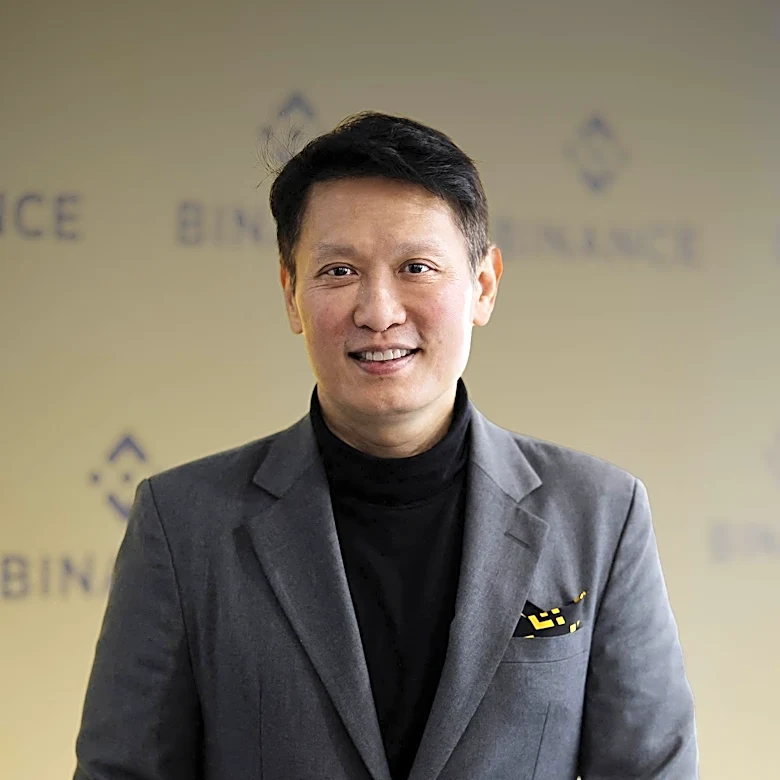
industry leaders. Binance Co-CEO Richard Teng outlined the company's vision to evolve from a crypto exchange into a '24/7 multi-asset platform,' aiming to offer users a single account for crypto assets, stablecoins, tokenized assets, and traditional equities. A key focus of the event was the transition of tokenized equities from a conceptual idea to real-world application. Binance's own product, bStocks, which facilitates round-the-clock trading of tokenized US equities and ETFs, was highlighted, reportedly holding between $1.3 billion and $1.5 billion across its user base. The conference, themed 'Evolve,' also saw attendance from regulators from Kazakhstan, Bhutan, Ghana, and Thailand, indicating growing governmental interest in these developments.
Why It's Important?
The convergence of traditional finance firms and crypto platforms at an event like Binance Blockchain Week signals a significant shift in the financial landscape. For investors, the emergence of tokenized equities means the potential to react to market news and trade assets outside of traditional market hours, offering greater flexibility and potentially reducing exposure to weekend market gaps. For Binance, this strategy aims to broaden its competitive scope beyond other crypto exchanges, positioning itself against traditional brokerages by offering a comprehensive, always-on trading platform. Traditional financial institutions' participation, while not a commitment to specific products, indicates their keen interest in the potential of 24/7 markets and tokenized securities. The involvement of international regulators also underscores the growing need for clear frameworks to govern these evolving financial products, especially concerning tokenized US stocks, which will be crucial for the widespread adoption of always-on trading.
What's Next?
The discussions at Binance Blockchain Week suggest a continued push towards integrating traditional financial assets with blockchain technology to enable 24/7 trading. The success and broader adoption of products like bStocks will likely depend on regulatory clarity and acceptance, particularly from major markets regarding tokenized securities tracking US stocks. Future developments may include more traditional financial institutions exploring partnerships or developing their own tokenized asset offerings. The presence of regulators from various countries indicates an ongoing dialogue and potential for new regulatory frameworks to emerge, which could either accelerate or slow down the adoption of these 24/7 markets. Investors can anticipate more options for continuous trading as these platforms mature and gain wider acceptance, potentially leading to a more interconnected and responsive global financial system.
Beyond the Headlines
The move towards 24/7 capital markets and tokenized equities raises profound implications for market structure, liquidity, and investor behavior. Ethically, it could democratize access to global markets for a wider range of investors, but also introduces challenges related to investor protection and market manipulation in an always-on environment. Legally, the classification and regulation of tokenized securities, especially those mirroring traditional stocks, will be a complex area, requiring international cooperation to prevent regulatory arbitrage. Culturally, it challenges the long-standing tradition of 'banker's hours' for financial markets, potentially leading to a shift in how market participants engage with investments. The long-term shift could see a more fragmented yet interconnected global financial system where traditional market hours become less relevant, pushing financial institutions to adapt their operational models and risk management strategies to a continuous trading cycle.