



What's Happening?
Carlos Sainz, a Williams Formula 1 driver and director of the Grand Prix Drivers Association (GPDA), has voiced concerns regarding the scheduled conclusion of the F1 season in the Middle East. Sainz stated it is 'difficult' and 'premature' to be convinced
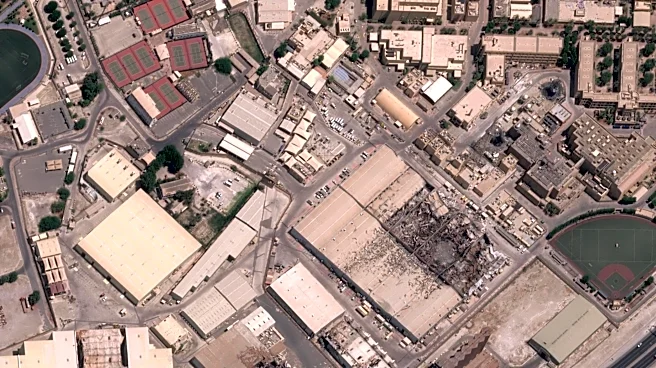
that the final two rounds, the Qatar Grand Prix (November 27-29) and the Abu Dhabi Grand Prix (December 4-6), will proceed as planned. His reservations stem from ongoing military conflicts in the region, including reports of potential renewed attacks on Iran by the United States and Israel following the U.S. midterm elections on November 3, and regular Houthi attacks on Saudi Arabia. While F1 officials and the FIA governing body maintain the races will go ahead, an alternative season finale in Imola, Italy, is reportedly being discussed. Sainz emphasized that while he personally has doubts, drivers will ultimately trust the decisions made by the FIA and Formula 1 regarding safety.
Why It's Important?
Sainz's comments highlight the significant geopolitical risks impacting international sporting events. The potential disruption of the Formula 1 season finale due to regional instability could have substantial financial and logistical implications for the sport, its teams, sponsors, and broadcasters. A last-minute change of venue, such as a shift to Imola, would require rapid logistical adjustments and could affect revenue streams tied to the original host countries. Furthermore, the discussion underscores the broader challenges faced by global organizations in navigating complex international relations and ensuring the safety of participants in volatile regions. The involvement of the United States in potential regional conflicts adds another layer of complexity, as it could influence travel advisories and the willingness of international personnel to participate, potentially impacting the global perception and commercial viability of events held in the Middle East.
What's Next?
The immediate next steps involve continued monitoring of the geopolitical situation in the Middle East by Formula 1 and the FIA. While officials currently affirm the schedule, the ongoing discussions about alternative venues like Imola suggest contingency plans are being considered. Stakeholders, including teams, sponsors, and host countries, will be closely watching for any official announcements regarding changes to the race calendar. The period following the U.S. midterm elections on November 3 could be critical, as potential shifts in U.S. foreign policy or military actions might further influence the security assessment of the region. Drivers, as indicated by Sainz, will likely defer to the safety assessments provided by the governing bodies, but their collective concerns could add pressure for transparent and timely decision-making.
Beyond the Headlines
This situation extends beyond mere logistical challenges, touching upon the ethical responsibilities of international sports organizations operating in conflict zones. The debate over whether to proceed with events in regions experiencing significant geopolitical tension raises questions about prioritizing commercial interests versus the safety and well-being of participants and staff. It also highlights the increasing intersection of global politics and sports, where major events can become entangled in international disputes. The decision-making process will likely be scrutinized for its transparency and adherence to safety protocols, potentially setting precedents for how major sports leagues navigate future geopolitical crises. The broader implication is a growing awareness within global sports of the need for robust risk assessment frameworks that account for rapidly evolving international political landscapes.