





What's Happening?
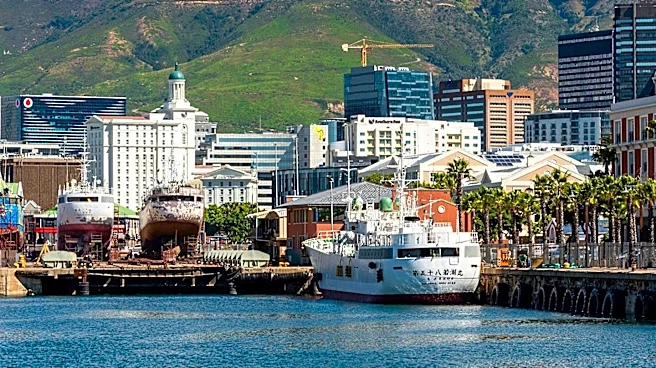
Cape Town's cruise sector is undergoing significant expansion, with its award-winning cruise terminal reporting record passenger growth. This surge aligns with the increasing trend of global luxury cruise lines incorporating Cape Town as a pivotal gateway
in their long-haul itineraries across Africa, Europe, and Asia. Recent reports, including the Western Cape Cruise Liner Industry 2023/24 Season Report, indicate that the regional cruise industry generated an estimated R1.32 billion in economic impact during that period. Data from the V&A Waterfront, which operates the terminal, shows a steady rise in ship calls, with 69 cruise ships arriving between October 2023 and June 2024, and over 80 vessel calls projected for the 2024/25 season. Luxury brands such as Holland America Line, Cunard, Norwegian Cruise Line, and Regent Seven Seas Cruises are prominently featuring Cape Town in their 2025 and 2026 itineraries, often as a key milestone port or an embarkation/disembarkation point for extended sailings.
Why It's Important?
The integration of Cape Town into major global cruise collections signifies its growing importance as a strategic maritime hub. This development has substantial economic implications for the city and the broader Western Cape region, contributing significantly to tourism revenue through passenger and crew spending on accommodation, dining, attractions, and shopping. The increased traffic supports local businesses and job creation, reinforcing the tourism sector's role as a key economic driver. For luxury cruise operators, Cape Town offers an attractive combination of an award-winning terminal, diverse tourism infrastructure, and a desirable destination for affluent travelers seeking longer, experience-led voyages. This trend also enhances Cape Town's international profile, attracting further investment in its port and tourism facilities, and solidifying its position as a premier global travel destination.
What's Next?
Industry announcements for 2026 and 2027 voyage launches suggest a continued and deeper integration of Cape Town into new global cruise collections, particularly within the luxury and ultra-luxury segments. This will likely translate into more extended Southern African components in itineraries, offering travelers more options for one-way segments starting or ending in Cape Town, often paired with curated land programs focusing on wine, wildlife, and culture. Competition among destinations to attract luxury cruise calls is intensifying, prompting Cape Town to continue collaborating between port operators, tourism bodies, and cruise lines to maintain its momentum. Future developments may include further enhancements to port-side infrastructure and connectivity to the central business district to support the growing volume of cruise traffic and enhance the overall passenger experience.
Beyond the Headlines
The rise of Cape Town as a cruise hub reflects a broader shift in global tourism, where travelers are increasingly seeking immersive, longer-duration experiences that combine sea voyages with land-based explorations. This trend could lead to innovative partnerships between cruise lines and local tour operators, creating unique packages that showcase the region's diverse offerings, from safaris to cultural tours. The increased maritime activity also brings environmental considerations, particularly regarding port emissions and waste management, which will require robust regulatory frameworks and sustainable practices from both port authorities and cruise operators. Furthermore, the economic benefits must be carefully managed to ensure equitable distribution and avoid over-tourism in sensitive areas, preserving the authentic charm and natural beauty that attract visitors to Cape Town.