


What's Happening?
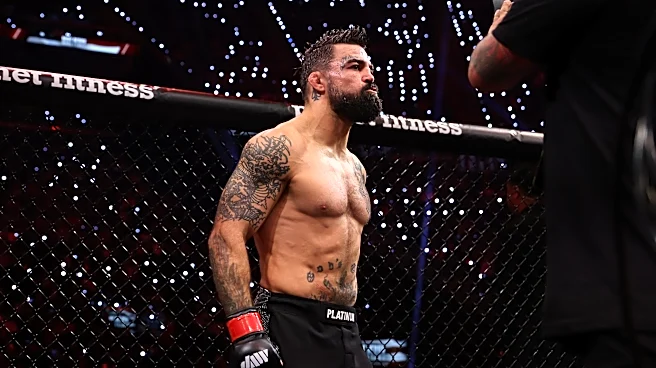
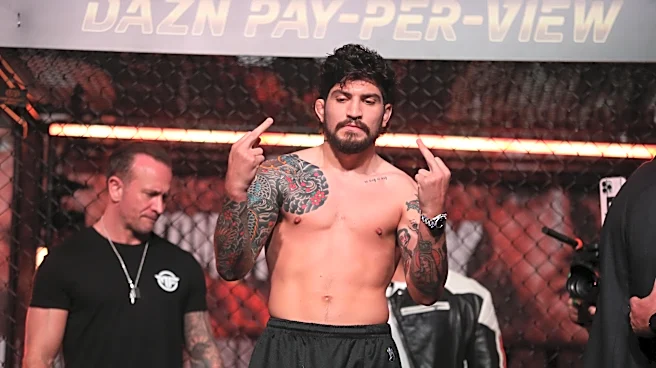
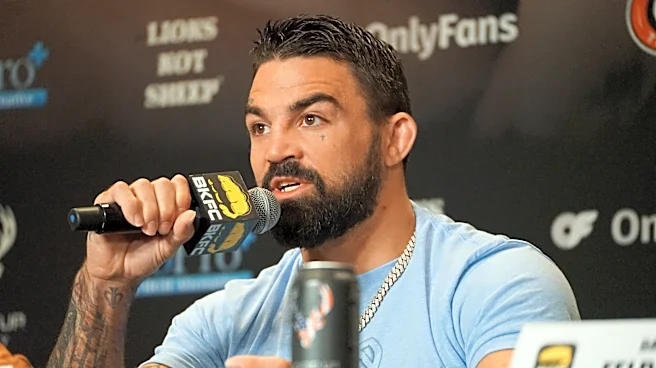
Mike Perry, a prominent fighter, is set to compete at tonight's Duel Arena 1 event in Orlando, Florida, but will do so with a significant 50% pay cut. This reduction in his fight purse comes after his original main event opponent, Dillon Danis, withdrew
from the fight at the last minute. Brandon Jenkins has stepped in as a short-notice replacement. Perry expressed frustration over the situation, noting that fighters typically receive more compensation for accepting last-minute opponent changes, especially in main event slots. MMA reporter Ariel Helwani confirmed the 50% purse cut, stating it was an unusual occurrence in the sport.
Why It's Important?
This incident highlights the financial vulnerabilities of fighters in combat sports, particularly when unforeseen circumstances like opponent withdrawals occur. A 50% pay cut for a main event fighter, especially one who agreed to save the card by accepting a short-notice replacement, raises questions about contractual fairness and fighter compensation within the industry. It could set a concerning precedent for how promotions handle such situations, potentially discouraging fighters from stepping up in similar scenarios in the future. For Mike Perry, this represents a substantial financial loss, impacting his earnings and potentially his future negotiating power. The situation also underscores the unpredictable nature of fight promotions and the challenges of maintaining a consistent fight card.
What's Next?
Mike Perry is still scheduled to fight Brandon Jenkins at Duel Arena 1 tonight. The immediate focus will be on his performance in the ring, despite the financial setback. The long-term implications for Perry could involve re-evaluating his contractual agreements and potentially seeking more favorable terms in future fights to protect against similar pay cuts. The incident may also prompt broader discussions within the combat sports community regarding fighter pay, contractual clauses for opponent changes, and the financial responsibilities of promotions when main event fighters withdraw. It remains to be seen if this event will lead to any changes in standard fighter contracts or compensation practices.
Beyond the Headlines
The situation with Mike Perry and his pay cut delves into the often-opaque financial structures of combat sports. While fans typically focus on the athletic competition, the business side, including fighter compensation, contract negotiations, and the impact of last-minute changes, is a critical component. Perry's public statement about the pay cut brings attention to the economic pressures faced by athletes who put their bodies on the line. It also raises ethical questions about whether fighters should be penalized financially when circumstances beyond their control, such as an opponent's withdrawal, disrupt a planned event. This event could serve as a case study for fighter advocacy groups pushing for greater transparency and more equitable financial arrangements in the sport.