




What's Happening?
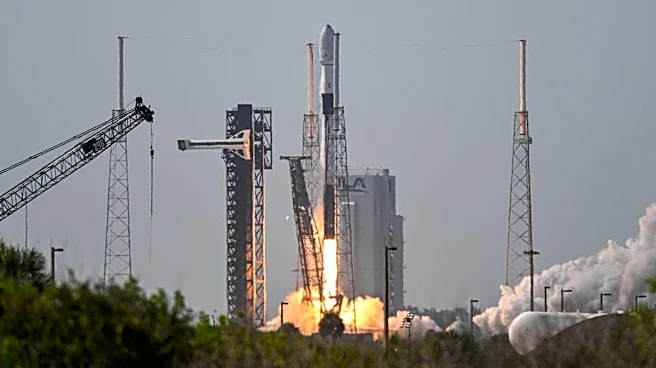
The Federal Aviation Administration (FAA) has proposed a rule to waive certain environmental laws to expedite the licensing process for commercial rocket launches. This initiative, supported by U.S. Transportation Secretary Sean Duffy, aims to address
the increasing demand for rocket launches, projected to reach 4,288 operations over the next decade. The proposal suggests waiving requirements from 13 federal laws, including the National Environmental Policy Act and the Endangered Species Act, to reduce delays caused by environmental reviews. The FAA argues that these reviews are often redundant and time-consuming, hindering the pace of commercial space operations.
Why It's Important?
The proposal reflects a significant shift in regulatory policy, prioritizing the growth of the commercial space industry over environmental considerations. This could accelerate the pace of innovation and competition in the space sector, benefiting companies like SpaceX, Blue Origin, and Amazon. However, it also raises concerns about the potential environmental impact of increased rocket launches, as well as the legal and ethical implications of bypassing established environmental protections. The decision could set a precedent for future regulatory approaches in balancing economic growth with environmental stewardship.
What's Next?
The FAA's proposal will undergo a 30-day public comment period, allowing stakeholders, including environmental groups and local communities, to express their views. The outcome of this period will influence whether the rule is finalized. If implemented, the rule could face legal challenges from environmental advocates concerned about the potential impact on ecosystems and communities near launch sites. The FAA will need to carefully consider these factors to ensure a balanced approach that supports industry growth while addressing environmental and public health concerns.