









What's Happening?
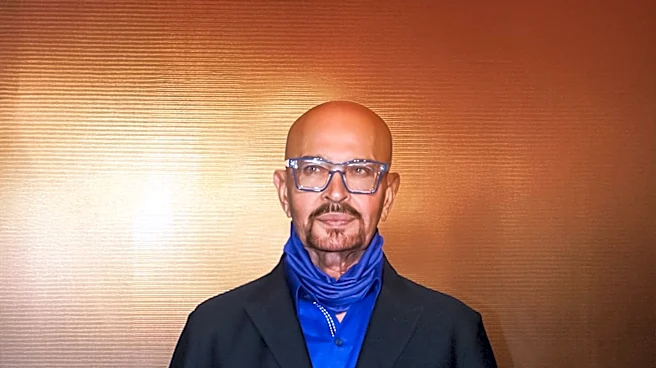
Howie Mandel, a well-known television personality and judge on 'America's Got Talent,' has openly discussed his struggles with Obsessive-Compulsive Disorder (OCD). His candidness is part of a growing trend among celebrities to share their experiences
with mental health conditions, helping to destigmatize such issues. Mandel's discussions contribute to a broader understanding that OCD symptoms are not always related to cleanliness or organization, but can involve intrusive thoughts, intense fear, and repetitive rituals that disrupt daily life. He recently engaged in a conversation with actor Rainn Wilson, who also revealed his OCD diagnosis at age 59, further emphasizing the varied manifestations and late diagnoses of the disorder.
Why It's Important?
Howie Mandel's public discourse on his OCD is significant because it leverages his celebrity platform to raise awareness and reduce the stigma associated with mental health conditions. When public figures share their personal battles, it can encourage others to seek help and foster a more empathetic societal view of mental illness. This transparency helps to correct common misconceptions about OCD, illustrating that it encompasses a wide range of symptoms beyond stereotypical portrayals. For individuals living with OCD, hearing from someone like Mandel can provide validation and a sense of community, reinforcing that they are not alone in their struggles. This advocacy is crucial for promoting mental health literacy and encouraging early intervention and treatment.
What's Next?
The ongoing public conversations by figures like Howie Mandel about their mental health are likely to continue influencing public perception and policy regarding mental health support. This trend could lead to increased funding for mental health research, improved access to therapeutic resources, and more inclusive workplace environments. As more celebrities share their stories, the dialogue around mental health is expected to become more normalized, potentially leading to a greater societal emphasis on psychological well-being. Advocacy efforts may also focus on educating the public about the diverse presentations of conditions like OCD, moving beyond stereotypes to promote accurate understanding and support.
Beyond the Headlines
The willingness of celebrities such as Howie Mandel to discuss their OCD goes beyond mere personal disclosure; it represents a cultural shift towards greater openness about mental health. This transparency challenges long-held societal taboos and contributes to a more compassionate and informed public discourse. By highlighting that OCD can manifest in various ways, including intrusive thoughts and non-visible compulsions, Mandel and others are helping to dismantle the narrow and often misleading portrayals of the disorder. This broader understanding is vital for individuals who may be suffering in silence, as it validates their experiences and encourages them to seek professional help, ultimately fostering a more supportive and understanding society.