


What's Happening?
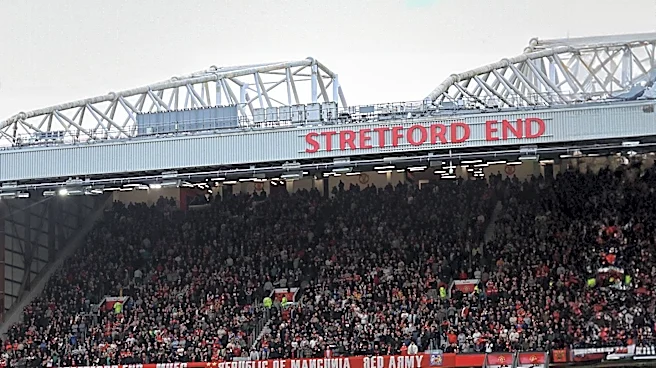
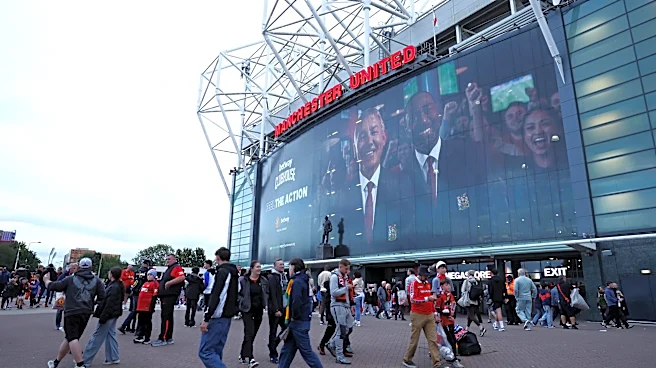
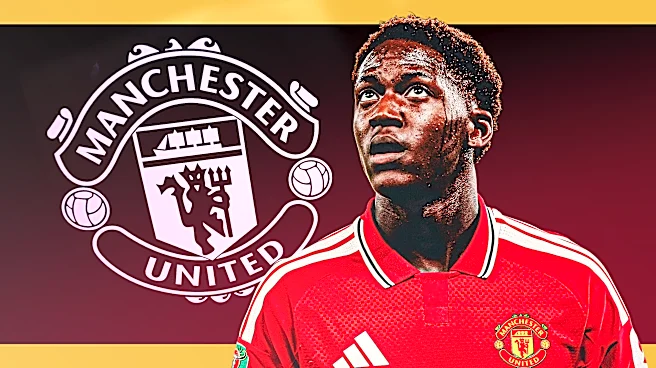
Manchester United fans have initiated an online campaign, primarily targeting the club's sponsors, in an effort to express their dissatisfaction with the club's ownership. Social media accounts with significant followings among United supporters are promoting
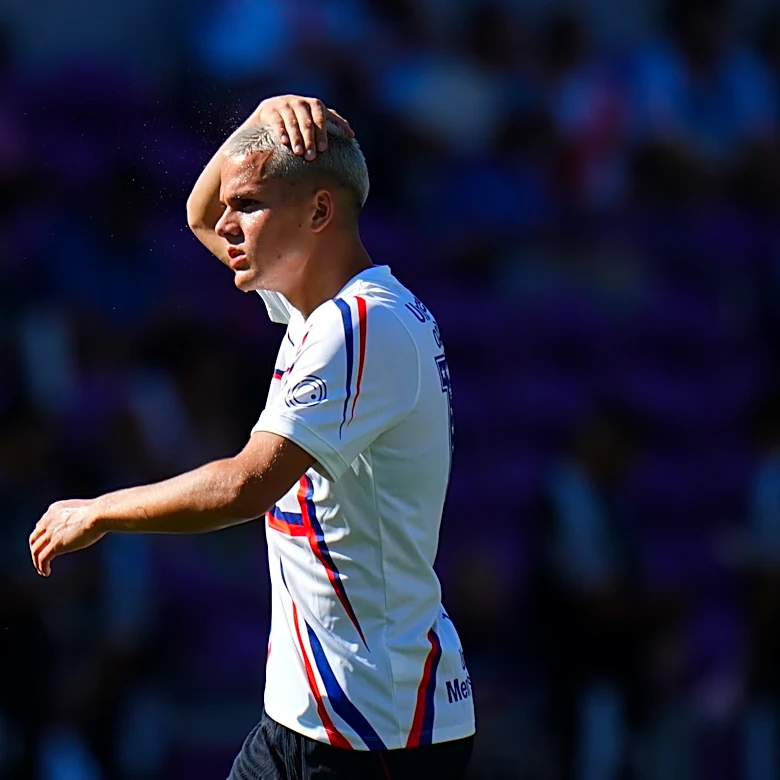
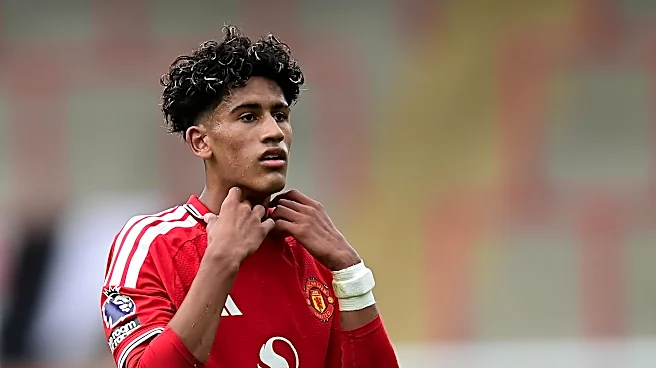
the hashtag #BoycottUnited. The campaign encourages fans to leave negative reviews for companies partnered with Manchester United, email these companies directly, and post critical comments on their social media pages. Qualcomm Technologies, which pays approximately $75 million annually to promote its Snapdragon brand through a front-of-shirt deal, has been a major target. Reports indicate that Snapdragon has even hidden negative replies from fans on its social media platform, X, suggesting the campaign is gaining traction. Prominent social media figures within the United fan base are also urging supporters to cancel MUTV subscriptions and refrain from purchasing any United-branded products, including shirts and training jerseys.
Why It's Important?
This fan-led boycott campaign against Manchester United's sponsors highlights the growing power of organized fan activism in professional sports, particularly in the digital age. By targeting sponsors, fans aim to exert financial pressure on the club's ownership, the Glazers and Sir Jim Ratcliffe, to address their concerns. The potential impact on sponsors, such as Qualcomm Technologies, could be significant, as negative public perception and a decline in brand association value might lead them to reconsider their partnerships. This situation underscores the delicate balance between a sports club's commercial interests and its relationship with its fan base. For U.S. companies involved in global sports sponsorships, this campaign serves as a cautionary tale, demonstrating how fan sentiment can directly affect brand reputation and potentially influence sponsorship decisions. It also reflects a broader trend where consumers are increasingly using their collective voice to demand accountability from institutions and their commercial partners.
What's Next?
The immediate next steps will likely involve continued monitoring of the #BoycottUnited campaign's reach and impact on social media and sponsor engagement. Sponsors, like Qualcomm Technologies, will need to assess the extent of the negative sentiment and decide on their response, which could range from public statements to internal discussions about their sponsorship agreements. The Manchester United ownership, the Glazers and INEOS, will also be observing the campaign's effectiveness and its potential long-term implications for the club's commercial revenue and brand image. If the campaign gains further momentum and significantly impacts sponsor relationships or product sales, it could force the ownership to address fan grievances more directly. Conversely, if the campaign wanes, its immediate impact might be limited. The situation could also prompt other sports fan bases to adopt similar tactics to influence their clubs' decisions or ownership structures.
Beyond the Headlines
This campaign delves into the complex dynamics of modern sports ownership and fan engagement. It illustrates how the commercialization of sports, while generating significant revenue, can also create friction with traditional fan loyalties. The targeting of sponsors, rather than just the club directly, represents a strategic evolution in fan protest, aiming to hit owners where it hurts most: their financial bottom line. This approach could set a precedent for fan groups across various sports and industries, demonstrating an effective method for collective action in an increasingly interconnected world. Furthermore, the response of companies like Snapdragon, by reportedly hiding negative comments, raises questions about corporate transparency and how brands manage public criticism in the context of controversial partnerships. The long-term implications could include a re-evaluation of sponsorship ethics and due diligence, where potential partners might scrutinize a club's ownership and fan relations more closely before committing to lucrative deals.