





What's Happening?
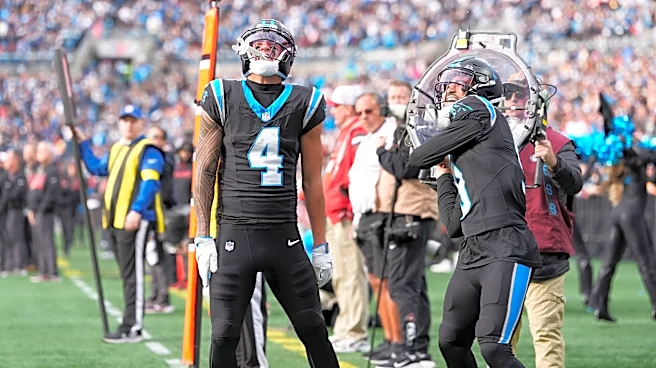
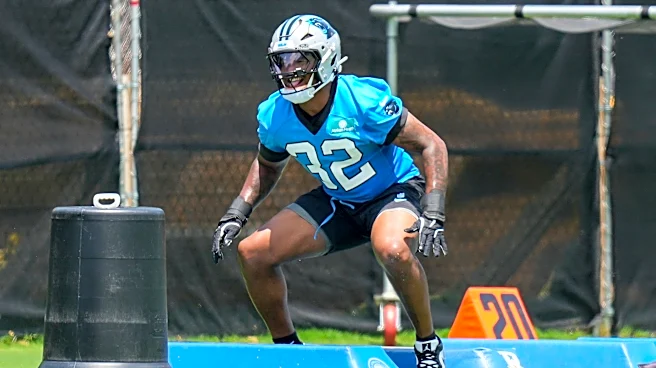
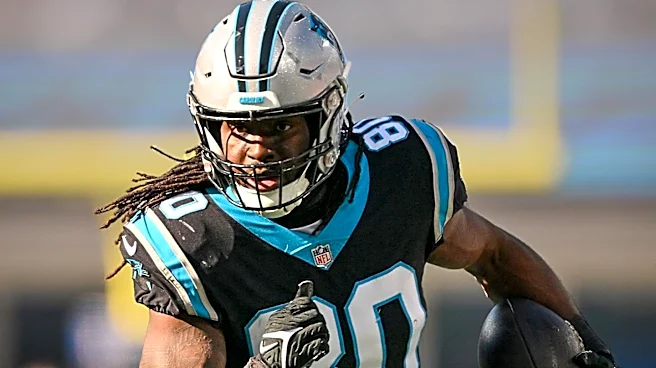
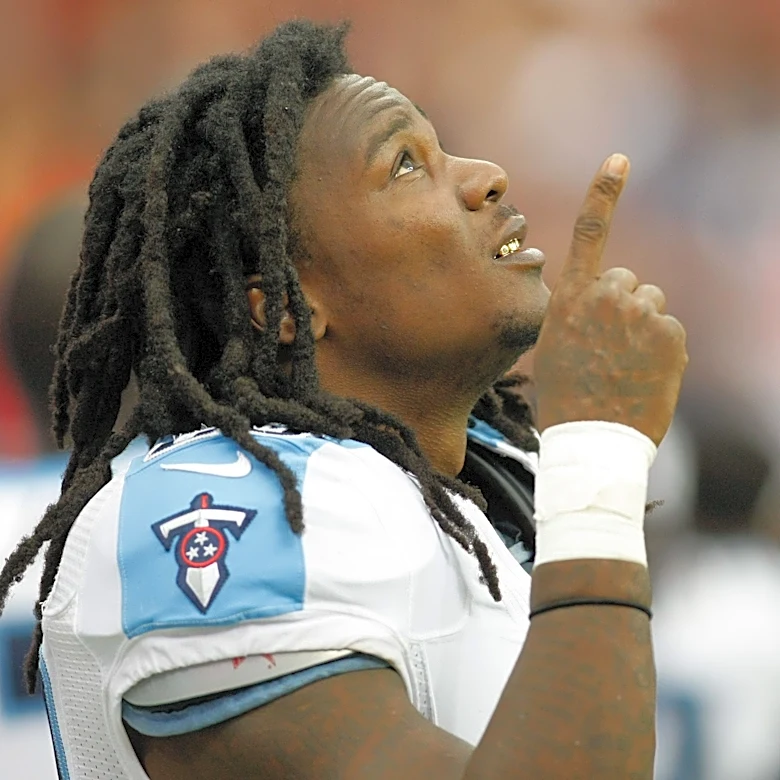
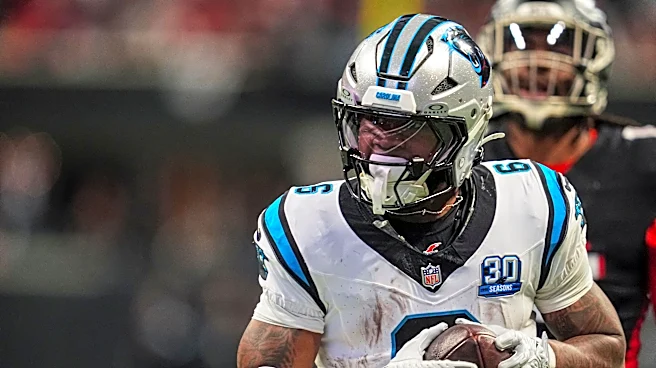
Former Carolina Panthers linebacker Thomas Davis has publicly disclosed his struggle with opioid addiction, which he attributes to the pain management required after multiple career-threatening injuries. Davis, known for his community work and resilience
on the field, particularly for returning from three torn ACLs in the same knee, stated that his addiction led to the breakup of his marriage and tarnished his public image. The Associated Press reported that prescriptions obtained to fuel Davis's addiction were central to a Drug Enforcement Administration (DEA) investigation into Joan Rubinger, a self-styled healer who provided pain relief to numerous professional athletes. Authorities allege Davis received over 13,000 pills of Oxycodone and Percocet from November 2019 through March 2024. Davis has taken full ownership of his actions and is now focused on rebuilding his relationship with his children.
Why It's Important?
This revelation by Thomas Davis highlights the significant and often hidden challenges professional athletes face regarding pain management and addiction, particularly in high-impact sports like the NFL. Davis's story underscores the potential for long-term physical and psychological tolls that can lead to substance dependence, even for individuals with otherwise stellar reputations. The connection of his addiction to a broader drug case involving a 'healer' and other pro athletes suggests a systemic issue within sports, where players might seek unconventional or unregulated methods for pain relief, potentially exposing them to illicit drug practices. This situation also brings renewed attention to the NFL's historical struggles with painkiller use among its players, despite recent efforts to enhance prescription monitoring. The impact extends beyond individual athletes, affecting their families, public perception of sports figures, and the integrity of professional sports organizations.
What's Next?
The ongoing DEA investigation into Joan Rubinger, fueled in part by the prescriptions linked to Thomas Davis, is likely to continue uncovering the extent of illicit drug distribution within the professional sports community. This could lead to further legal actions against individuals involved in such schemes and potentially prompt more athletes to come forward with their own struggles. For the NFL and its Players Association, Davis's public admission may intensify scrutiny on their existing pain management protocols and support systems for current and former players. There could be increased pressure to implement more robust programs for addiction prevention, treatment, and mental health support. Davis himself will likely continue his personal journey of recovery and reconciliation, potentially becoming an advocate for addiction awareness among athletes. The case may also influence how sports organizations vet and monitor external medical and wellness providers associated with their players.
Beyond the Headlines
Thomas Davis's story delves into the complex ethical and cultural dimensions surrounding pain, performance, and player welfare in professional sports. The narrative of athletes pushing through immense pain for their careers, often celebrated as 'toughness,' can inadvertently create an environment where reliance on painkillers becomes normalized. This case exposes the vulnerability of athletes, even those with strong community ties and personal integrity, to addiction when faced with chronic pain and the pressure to perform. It also raises questions about the responsibility of sports leagues and teams in safeguarding their players' long-term health, both physical and mental, beyond their playing careers. The involvement of a 'healer' in a sprawling drug case highlights the potential for exploitation when athletes seek alternative treatments, often outside regulated medical channels. This situation could spark broader conversations about the culture of pain in sports, the need for comprehensive athlete support systems, and the ethical boundaries of medical care provided to high-profile individuals.