
What's Happening?
The article discusses the critical role of metadata in laboratory data integration, as outlined by U.S. regulations such as 21 CFR 211.194(a). This regulation mandates that laboratory records must include
complete data from all tests, emphasizing the need for contextual information, or metadata, to give meaning to raw data. The article explains that metadata is not merely documentation but an integral part of the data record itself. Without it, the data loses its meaning, which can lead to compliance issues. The piece also explores the challenges laboratories face in integrating data from various instruments, highlighting the 'contextualization gap' where data lacks the necessary context to be fully understood and compliant with regulatory standards.
Why It's Important?
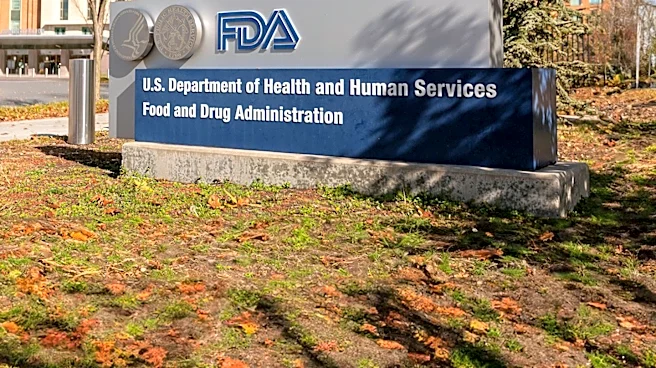
The integration of metadata into laboratory data is crucial for compliance with FDA regulations, which impacts the pharmaceutical and biotech industries significantly. Proper contextualization of data ensures that laboratories can meet regulatory requirements, thereby avoiding potential legal and financial repercussions. This is particularly important in the U.S., where strict compliance with data integrity standards is mandatory. The failure to integrate metadata effectively can lead to data integrity issues, which may result in costly investigations, product recalls, or even legal action. Therefore, understanding and implementing proper data integration practices is vital for maintaining the credibility and operational efficiency of laboratories.
What's Next?
Laboratories are expected to enhance their data integration processes by closing the contextualization gap. This involves adopting systems that can effectively bind raw data with its necessary context, ensuring compliance with regulatory standards. Organizations may need to invest in new technologies or update existing systems to facilitate better data integration. Additionally, there may be increased scrutiny from regulatory bodies to ensure that laboratories are adhering to these standards. As the industry evolves, laboratories will likely face ongoing challenges in maintaining compliance, necessitating continuous improvement and adaptation of data management practices.
Beyond the Headlines
The issue of data contextualization extends beyond compliance, touching on ethical and operational dimensions. Ensuring data integrity is not only a regulatory requirement but also a matter of ethical responsibility, as it impacts public health and safety. Moreover, effective data management can lead to operational efficiencies, reducing the time and resources spent on data verification and compliance checks. In the long term, organizations that prioritize data integrity and contextualization may gain a competitive advantage by building trust with regulators and consumers alike.