

What's Happening?
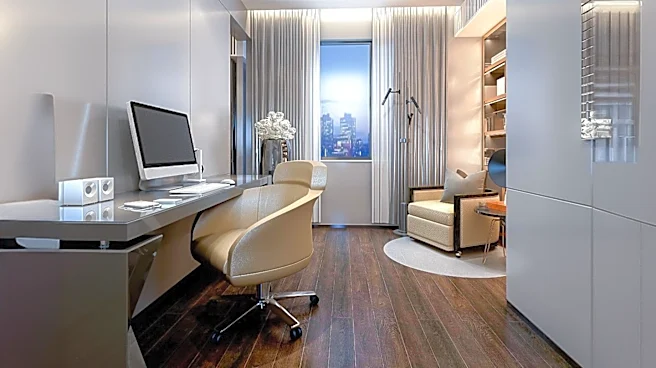
Modern metal garages are being increasingly utilized beyond traditional vehicle storage, transforming into versatile spaces such as home offices, workshops, art studios, and even guest suites. These contemporary structures are designed with clean lines,
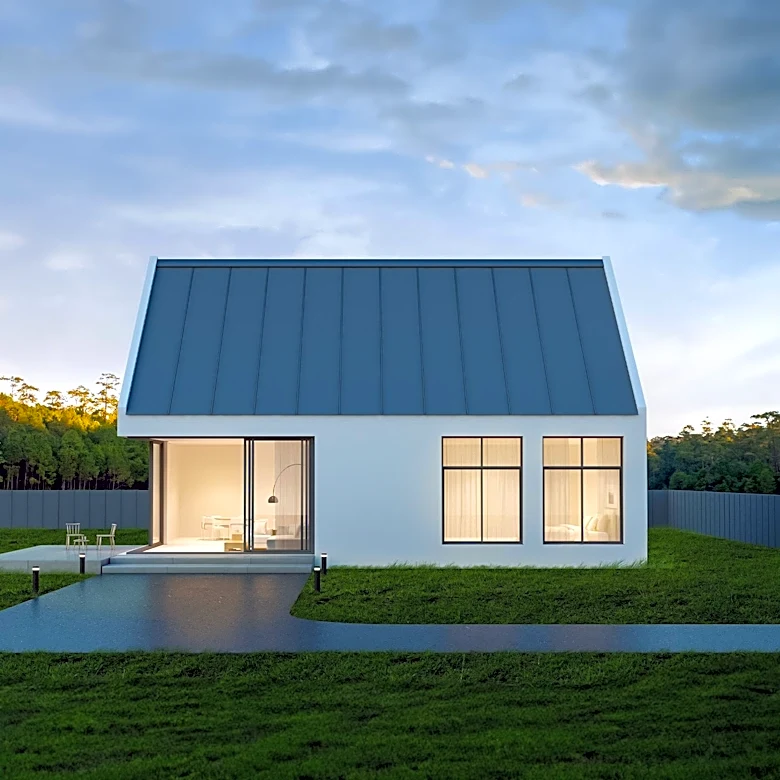
minimalist shapes, and neutral color palettes, often featuring dark, neutral tones like charcoal, slate gray, black, and white. Key design elements include low-pitch rooflines, simple panel lines, and flush roll-up doors to maintain a sleek aesthetic. Large windows are incorporated to maximize natural light, making these spaces suitable for various activities. The construction process involves careful planning for foundations, permits, and insulation, especially if the space is intended for regular use or as an accessory dwelling unit (ADU).
Why It's Important?
This evolution in garage design holds significant importance for U.S. homeowners and the construction industry. It addresses the growing need for flexible living and working spaces, particularly as remote work and diverse hobbies become more common. For homeowners, these multi-functional metal garages offer a cost-effective way to expand usable living area without the expense of a traditional home addition. This trend also impacts local economies by creating demand for specialized construction services, materials, and interior finishing. Furthermore, the ability to convert these structures into ADUs can help address housing shortages in certain areas, providing additional living options for families or rental income opportunities. The adaptability of modern metal garages contributes to more efficient property utilization and enhanced home value.
What's Next?
The trend of repurposing metal garages into specialized living and working spaces is expected to continue its growth. We will likely see further innovations in modular designs, customizable interiors, and energy-efficient features for these structures. Manufacturers may offer more advanced insulation options, smart home integrations, and aesthetic finishes that blend seamlessly with existing residential architecture. Local zoning regulations and permitting processes may also evolve to accommodate the increasing demand for ADUs and detached specialty rooms. This will likely lead to a broader acceptance and integration of these versatile metal buildings into the residential landscape, offering homeowners more flexibility and options for their property development.
Beyond the Headlines
Beyond their practical utility, the transformation of metal garages into diverse living and working spaces reflects a broader cultural shift towards maximizing existing resources and embracing adaptable living. This trend challenges conventional notions of what a 'garage' can be, promoting creative solutions for space constraints and evolving lifestyle needs. It also highlights a growing interest in sustainable and efficient construction methods, as metal buildings often offer durability and lower maintenance compared to traditional structures. The psychological impact includes providing individuals with dedicated spaces for personal pursuits, fostering creativity, productivity, and a sense of personal sanctuary, thereby enhancing overall quality of life within the home environment.