






What's Happening?
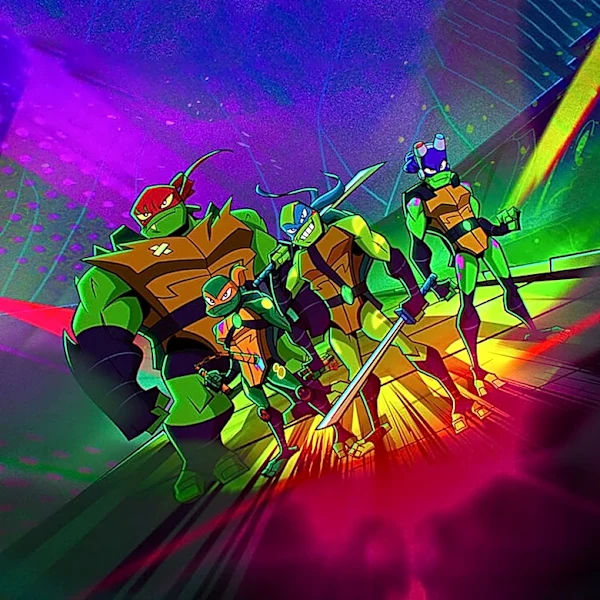
SAG-AFTRA members have overwhelmingly ratified new four-year contracts for TV animation, with 94.95% voting in favor. The agreements, covering the 2026 Television Animation Agreement and its basic cable counterpart, were struck with the Alliance of Motion
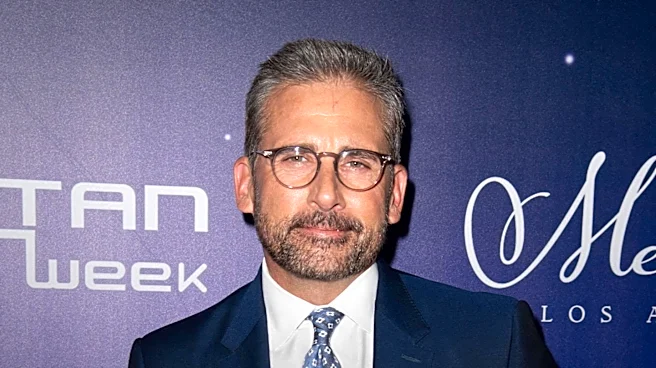
Picture and Television Producers. These deals secure a 3% annual wage increase, totaling 12.6% over the contract's lifespan from July 1, 2026, to June 30, 2030. The first raise is retroactive to July 5, 2026. Beyond wage increases, the contracts include enhanced AI protections, mirroring guardrails established in recent live-action agreements, and maintain existing animation-specific terms. Benefits also see adjustments, with employer contributions to the Health Plan increasing by 1% (backdated to September 6, 2026) and pension/retirement rates climbing 1% on July 1, 2028. A new paid parental leave fund will also begin receiving 0.25% contributions on the same date. SAG-AFTRA President Sean Astin described the deal as "dignified" with "essential AI protections."
Why It's Important?
This ratification is significant for the animation sector of the entertainment industry, providing stability and improved compensation for voice actors. The 12.6% wage increase over four years addresses economic concerns for performers, many of whom have faced job shortages and struggles to maintain union dues and health plan qualifications. The inclusion of AI protections is particularly crucial, as artificial intelligence continues to evolve and impact creative industries. These guardrails aim to safeguard performers' rights and control over their likeness and voice in an increasingly digital production landscape. Furthermore, the establishment of a new category for big-budget animated shows on free streaming services acknowledges the evolving distribution models in television, ensuring appropriate compensation structures for these productions. This agreement also marks the first contract ratified since Duncan Crabtree-Ireland transitioned from chief negotiator to CEO of SAG-AFTRA, signaling a continued focus on securing favorable terms for union members.
What's Next?
With the ratification complete, the new terms of the TV animation contracts will officially take effect, guiding compensation and working conditions for voice actors through June 2030. The immediate next steps involve the implementation of the retroactive wage increases and the adjusted benefit contributions. The industry will observe how the new AI protections are applied in practice and whether they effectively mitigate potential challenges posed by emerging technologies. The new category for big-budget animated shows on free streaming services will likely influence future production budgeting and distribution strategies within the animation industry. SAG-AFTRA will continue to monitor the employment landscape for its members, particularly in light of ongoing concerns about job availability, as noted by President Astin, who emphasized that no contract can force studios to produce more content or audiences to watch it.
Beyond the Headlines
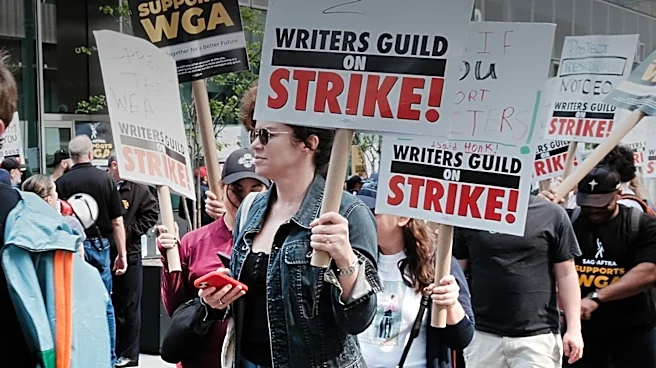
The successful negotiation and ratification of these animation contracts highlight the ongoing efforts by unions to adapt to rapid technological changes and evolving industry economics. The emphasis on AI protections reflects a broader concern across creative fields about the ethical and economic implications of artificial intelligence. This deal could serve as a template or influence future negotiations in other sectors of entertainment regarding AI usage. The creation of specific categories for streaming content also underscores the permanent shift in content consumption and production, requiring unions to constantly re-evaluate and update contract structures to remain relevant. This agreement also subtly reflects the power dynamics within Hollywood, where even in a less contentious sector like TV animation, securing substantial gains requires persistent negotiation and member solidarity, especially in a period marked by broader industry anxieties over job security and technological disruption.