







What's Happening?
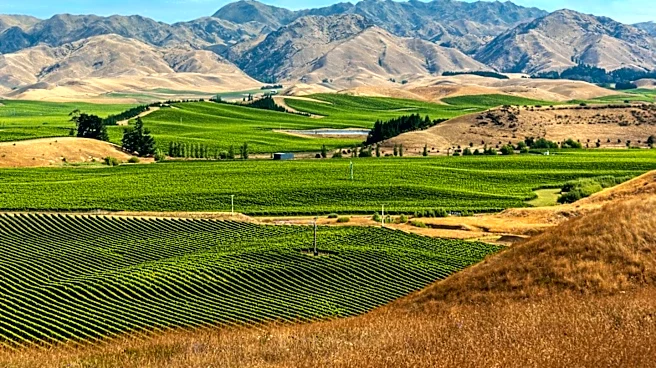
CJ and Elise McCollum, proprietors of McCollum Family Vineyard, have announced the opening of their 318-acre estate in Carlton, Oregon, to guests. Visits to the vineyard are available by appointment. This development marks a new phase for the McCollum Family Vineyard, allowing
the public to experience their property directly. The vineyard's opening provides an opportunity for wine enthusiasts and the general public to engage with the brand and its offerings in a dedicated setting. This initiative is part of a broader trend where vineyards are enhancing their hospitality experiences to connect more directly with consumers and offer immersive experiences. The estate's substantial size suggests a significant operation, indicating a commitment to both viticulture and wine tourism.
Why It's Important?
The opening of McCollum Family Vineyard's estate to guests signifies a growing trend in the U.S. wine industry towards experiential marketing and direct-to-consumer engagement. For the local economy in Carlton, Oregon, this new hospitality venture could boost tourism, create jobs, and increase revenue for related businesses such as restaurants, hotels, and other local attractions. It also provides a platform for the McCollum Family Vineyard to build brand loyalty and differentiate itself in a competitive market by offering a unique, personalized experience. This model allows vineyards to bypass traditional distribution channels to some extent, fostering a more direct relationship with their customer base and potentially increasing profit margins. The emphasis on appointments suggests a curated experience, aiming for quality over quantity in visitor interactions.
What's Next?
Following the opening, McCollum Family Vineyard will likely focus on refining its guest experience and expanding its appointment-based offerings. This could include developing specialized tasting menus, guided tours of the vineyard and winemaking facilities, or hosting exclusive events. The success of this initial phase may lead to further investments in hospitality infrastructure, such as a dedicated tasting room or event space. The vineyard will also need to manage logistics related to visitor traffic and ensure compliance with local regulations for tourism and alcohol sales. Marketing efforts will probably target wine connoisseurs and tourists interested in unique agricultural experiences, potentially collaborating with local tourism boards to promote the region as a wine destination.
Beyond the Headlines
The move by McCollum Family Vineyard reflects a broader shift in consumer preferences towards authentic, immersive experiences, particularly in the luxury and specialty goods markets. This trend extends beyond the wine industry, influencing how various businesses, from craft breweries to artisanal food producers, engage with their clientele. Ethically, it highlights the importance of sustainable tourism practices, especially for large estates, to ensure minimal environmental impact. Culturally, it reinforces the narrative of wine as an experience rather than just a product, contributing to the evolving American wine culture that values provenance, craftsmanship, and direct connection with producers. This approach also allows for a deeper storytelling opportunity, enabling the McCollums to share their personal journey and vision for the vineyard directly with their guests.