





What's Happening?
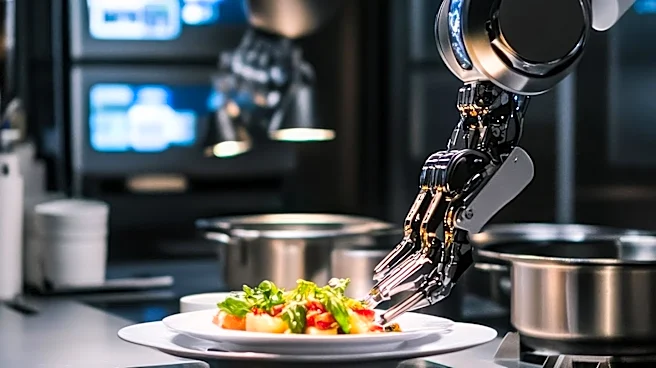
Smart kitchen appliances are transforming home cooking by simplifying complex tasks through a combination of sensors, electronic controls, programmable settings, and wireless connectivity. These devices aim to reduce the constant attention typically required
for meal preparation, allowing home cooks to monitor food, repeat cooking processes, and receive real-time information. Examples include connected ovens that send notifications upon completion, temperature-controlled cookers that maintain precise heating, and smart refrigerators that alert users to open doors or operational issues. While these appliances do not eliminate the need for cooking knowledge or supervision, their primary value lies in reducing unnecessary complexity and enabling cooks to focus on the more critical aspects of meal creation. The technology encompasses various features, from built-in sensors and programmable cooking controls to wireless connectivity for app-based monitoring and guided cooking functions, all designed to make cooking more predictable and manageable.
Why It's Important?
The proliferation of smart kitchen appliances is significant for U.S. households as it addresses the growing demand for convenience and efficiency in daily routines. For consumers, these innovations can lead to less stressful meal preparation, more consistent cooking results, and better time management in the kitchen. This trend also impacts the appliance manufacturing industry, driving innovation in product design and feature integration, and fostering competition to offer more intuitive and interconnected devices. Furthermore, the adoption of smart kitchen technology can influence dietary habits by making healthy cooking more accessible and less time-consuming. The emphasis on reducing complexity and providing useful information empowers home cooks, potentially leading to a resurgence in home-cooked meals and a greater focus on nutritional well-being.
What's Next?
The future of smart kitchen appliances will likely involve enhanced interoperability and more sophisticated AI integration. Consumers can expect to see appliances that communicate more seamlessly with each other and with broader smart home ecosystems, potentially leading to fully automated meal preparation sequences. Further advancements may include predictive cooking capabilities based on user preferences and available ingredients, as well as more robust energy management features. Manufacturers will continue to focus on user-friendly interfaces and robust software support to ensure long-term functionality and security. The market may also see an increase in subscription-based services tied to smart appliance features, offering personalized recipe recommendations, maintenance alerts, and exclusive content.
Beyond the Headlines
The integration of smart technology into kitchen appliances extends beyond mere convenience, touching upon broader societal and cultural shifts. The increasing automation of cooking tasks could alter traditional culinary skills, potentially leading to a generation of cooks more reliant on guided programs than intuitive knowledge. Ethical considerations arise regarding data privacy, as these connected devices collect detailed information about household eating habits and preferences. There's also the question of accessibility, as advanced smart appliances may create a divide between those who can afford them and those who cannot, potentially exacerbating existing inequalities in access to healthy, convenient food preparation. Ultimately, the smart kitchen represents a microcosm of the larger trend towards a technologically mediated domestic life, where efficiency and connectivity reshape fundamental human activities like cooking and eating.