






What's Happening?
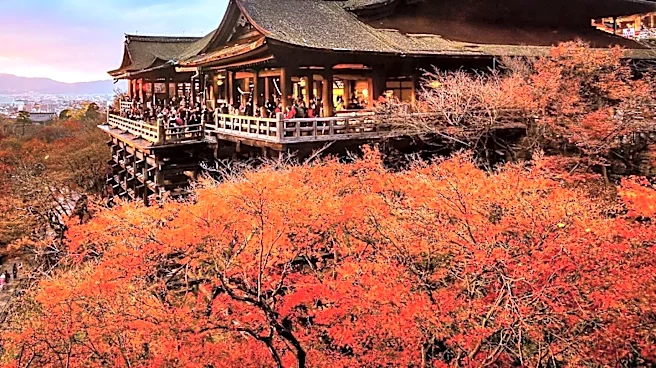
Kyoto, Japan, is highlighted as a city rich in historical and cultural attractions, offering visitors a deep dive into Japan's imperial past. The city is home to numerous centuries-old temples, Shinto shrines, and well-preserved historic districts. Key
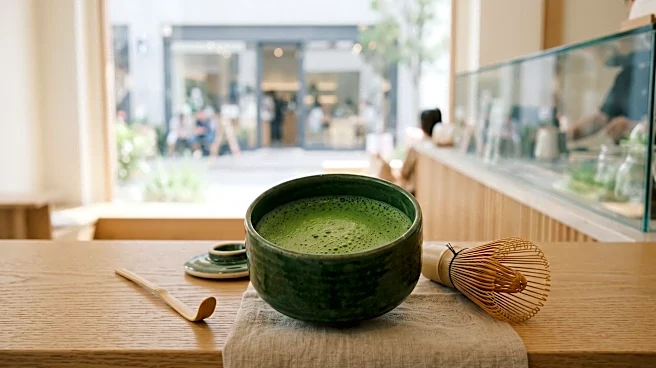
attractions include the iconic Kinkaku-ji (Golden Pavilion), the Fushimi Inari Taisha with its thousands of vermillion torii gates, and the serene Arashiyama Bamboo Grove. Visitors can also explore Gion, Kyoto's famous geisha district, and Kiyomizu-dera Temple, one of the city's oldest. Beyond major landmarks, Kyoto provides immersive cultural experiences such as traditional tea ceremonies, strolls along the Philosopher's Path, and culinary explorations at Nishiki Market. The Higashiyama district offers a glimpse into traditional architecture with its wooden merchant houses and craft shops. The city's blend of history, craft, and natural beauty makes it a significant destination for those seeking an authentic Japanese experience.
Why It's Important?
Kyoto's enduring appeal as a cultural and historical hub is crucial for Japan's tourism industry, attracting visitors globally who seek to understand the nation's heritage. The preservation of its ancient sites, such as Nijo Castle and Saiho-ji (Moss Temple), contributes significantly to global cultural heritage. The city's focus on traditional arts, like tea ceremonies and sake brewing in Fushimi, helps maintain and promote these practices, ensuring their continuity for future generations. Economically, tourism in Kyoto supports local businesses, from traditional craft shops and restaurants to hospitality services, providing livelihoods for many residents. The city's ability to blend its historical essence with modern life, as seen in its information technology-based economy, showcases a unique model of development that respects its past while embracing the future. This balance is vital for sustainable tourism and cultural preservation.
What's Next?
Kyoto is expected to continue its efforts in preserving its historical sites and cultural practices while adapting to the evolving demands of global tourism. Future developments may include enhanced visitor experiences that integrate technology to provide deeper insights into its history, without compromising the authenticity of its ancient sites. There will likely be ongoing initiatives to manage tourist flow, especially in popular areas like Fushimi Inari and Arashiyama, to ensure a sustainable and enjoyable experience for both visitors and residents. The city may also further promote its lesser-known attractions and regional experiences, such as day trips to Uji for matcha or exploring local sake breweries, to disperse tourism and highlight the broader cultural richness of the region. Continued focus on sustainable tourism practices will be key to maintaining Kyoto's unique charm and historical integrity.
Beyond the Headlines
Beyond its surface-level attractions, Kyoto embodies a profound philosophy of mindfulness and aesthetic appreciation deeply rooted in Japanese culture. The city's gardens, temples, and tea ceremonies are not merely sights but invitations to engage in contemplative practices and appreciate the subtle beauty of nature and art. The concept of 'wabi-sabi,' finding beauty in imperfection and transience, is palpable throughout Kyoto's ancient structures and serene landscapes. This cultural depth offers visitors more than just a vacation; it provides an opportunity for personal reflection and a deeper understanding of Eastern philosophical traditions. The city also serves as a living museum of traditional Japanese craftsmanship, from pottery and textiles to culinary arts, highlighting the enduring value of skilled artistry in an increasingly digitized world. Kyoto's influence extends beyond tourism, shaping global perceptions of Japanese aesthetics and cultural values.