







What's Happening?
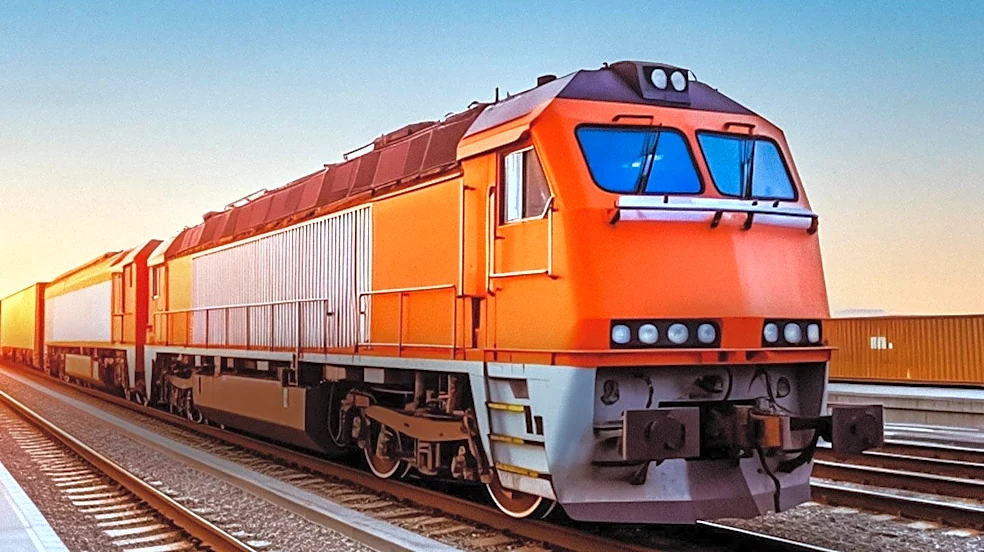
The New York & Atlantic Railway (NYA), an Anacostia Rail Holdings Company, has been awarded a $6.5 million Consolidated Rail Infrastructure and Safety Improvements (CRISI) Program Grant by the U.S. Department of Transportation’s Federal Railroad Administration.
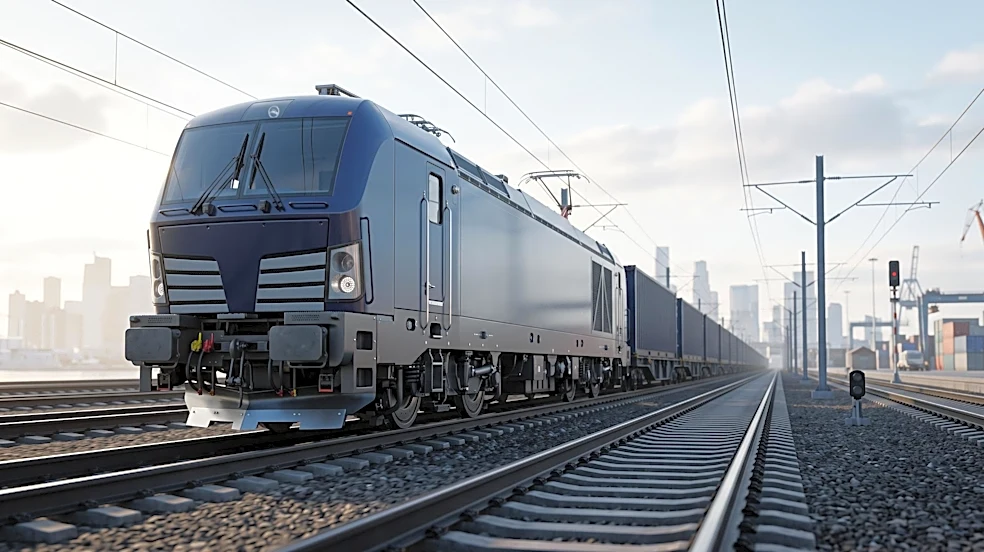
This grant is part of a larger $10.9 million public and private investment aimed at upgrading four of NYA’s locomotives with Tier 4 clean-energy technology. The project also includes $2 million from New York State and a $2.4 million investment from NYA itself. The railway, which operates under a franchise agreement with the Long Island Rail Road, connects Brooklyn, Queens, and Nassau and Suffolk counties to North America’s freight rail network. Congressman Nick LaLota (R-Rocky Point) expressed his support, highlighting his efforts to bring federal dollars to Suffolk County and acknowledging the positive impact of these upgrades on local businesses, regional jobs, and rail safety. The funding is a crucial step towards NYA’s five-year plan to achieve 100% Tier 4 compliance for its locomotive fleet by 2030, aligning with New York State’s greenhouse gas reduction goals.
Why It's Important?
This federal grant is significant for several reasons, primarily its impact on environmental sustainability and economic development in the Long Island region. The upgrade to Tier 4 locomotive technology, which represents the strictest U.S. EPA standard for non-road diesel engines, will lead to a substantial reduction in nitrogen oxides and particulate matter emissions. This improvement in air quality will directly benefit communities along the rail corridor, addressing public health concerns related to pollution. Economically, the modernization of NYA’s fleet is expected to enhance the efficiency of goods movement for local businesses, thereby supporting regional jobs and strengthening the area's infrastructure. The investment also demonstrates a successful public-private partnership, with federal, state, and private entities collaborating to achieve shared environmental and economic objectives. This initiative could serve as a model for other regions seeking to modernize their transportation infrastructure while simultaneously pursuing clean energy goals.
What's Next?
The New York & Atlantic Railway will proceed with the upgrade of four locomotives using the secured federal grant, New York State funding, and its own investment. This project is a key component of NYA's broader five-year plan to convert its entire locomotive fleet to 100% Tier 4 compliance by 2030. The implementation of this cleaner technology is expected to significantly reduce emissions and improve operational performance, contributing to New York State’s greenhouse gas reduction goals. Local officials and environmentalists have praised these plans, indicating continued support for such initiatives. The success of this project could encourage further investments in clean-energy transportation infrastructure across the state and potentially inspire similar programs nationwide, as the railway aims to set new standards for cleaner emission locomotives.
Beyond the Headlines
The adoption of Tier 4 locomotive technology by the New York & Atlantic Railway extends beyond immediate environmental and economic benefits, signaling a broader shift towards sustainable practices within the freight rail industry. This move highlights the increasing pressure on industries to align with stringent environmental regulations and public demand for cleaner operations. The collaboration between federal, state, and private sectors underscores a growing recognition that environmental stewardship and economic growth are not mutually exclusive but can be mutually reinforcing. Furthermore, this initiative could influence policy discussions around infrastructure funding, emphasizing the importance of allocating resources to projects that offer both economic utility and ecological advantages. It also sets a precedent for how older industrial sectors can innovate and adapt to meet modern environmental challenges, potentially fostering a competitive environment where sustainability becomes a key differentiator.