





What's Happening?
According to a market report by Lucintel, the global carbon fiber market is projected to achieve an estimated value of $4.7 billion by 2035, growing at a Compound Annual Growth Rate (CAGR) of 1.4% from 2027 to 2035. This growth is primarily driven by the increasing
demand for lightweight and durable materials across various industries. Key factors contributing to this market expansion include the rising adoption of fuel-efficient vehicles and the growing utilization of carbon fiber in aerospace applications. The report, spanning over 150 pages, provides a comprehensive analysis of market trends, opportunities, and forecasts, segmented by precursor type (PAN-based and pitch-based), tow size, modulus, end-use industries (aerospace, industrial, and sporting goods), and geographical regions. Lucintel anticipates that PAN-based carbon fiber will remain the largest segment due to its increasing adoption in automotive manufacturing, while aerospace will continue to be the dominant end-use sector.
Why It's Important?
The projected growth of the carbon fiber market signifies a critical shift towards advanced materials in manufacturing and engineering. The increasing demand for lightweight and durable materials directly impacts industries striving for greater efficiency and performance, particularly in the automotive and aerospace sectors. For the U.S. economy, this trend could spur innovation and investment in domestic carbon fiber production and related technologies, creating jobs and fostering economic growth. Companies involved in manufacturing, research and development, and supply chains for these materials stand to benefit significantly. Conversely, industries that fail to adapt to the adoption of carbon fiber might face competitive disadvantages. The emphasis on fuel-efficient vehicles and lightweight aircraft components also aligns with broader environmental goals, potentially reducing fuel consumption and carbon emissions, which has long-term implications for energy policy and sustainability efforts.
What's Next?
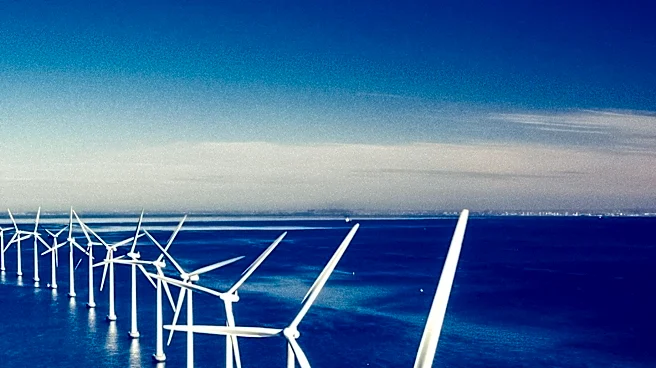
The carbon fiber market is expected to see continued innovation in material science and manufacturing processes to meet the growing demand. Key suppliers such as Toray Industries Inc., Hexcel Corporation, Mitsubishi Chemical Corporation, and SGL Carbon will likely focus on expanding production capacities and developing new applications. The report highlights that the Asia-Pacific (APAC) region is expected to remain the largest market, driven by its growing use in wind energy applications, suggesting potential for international partnerships and technology transfer. For the U.S., this could mean increased competition but also opportunities for collaboration and market penetration in high-growth areas. Further research and development into cost-effective production methods and novel applications will be crucial for sustaining this market trajectory and unlocking new opportunities across various sectors.
Beyond the Headlines
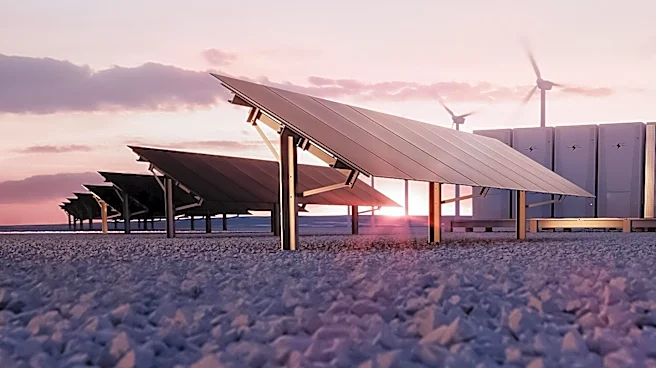
The expansion of the carbon fiber market has deeper implications beyond economic growth and industrial efficiency. The material's superior strength-to-weight ratio makes it a critical component in reducing the environmental footprint of transportation and energy generation. For instance, lighter vehicles consume less fuel, and more efficient wind turbine blades can generate more renewable energy. This technological advancement contributes to broader sustainability goals and the transition to a greener economy. However, the production of carbon fiber can be energy-intensive, raising questions about the overall life cycle environmental impact. Future developments will need to address these challenges, focusing on sustainable manufacturing practices and recycling initiatives to ensure that the benefits of carbon fiber are realized without creating new environmental burdens. The strategic importance of carbon fiber also extends to national security, as it is used in defense and aerospace applications, making domestic production capabilities a significant consideration.