






What's Happening?
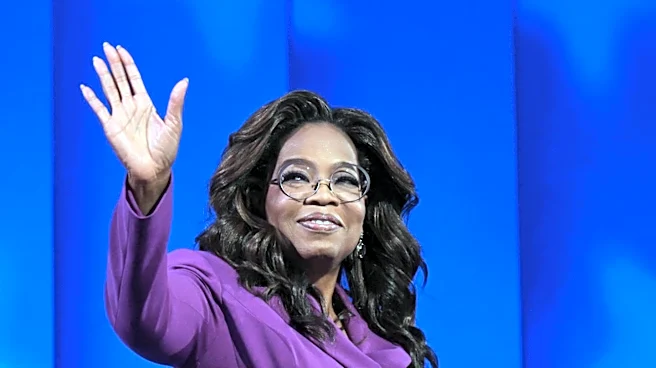
New court documents have shed light on the reasons behind Oprah Winfrey's decision to withdraw as executive producer from the documentary 'On The Record,' which details sexual abuse claims against Russell Simmons. Winfrey initially cited 'inconsistencies'
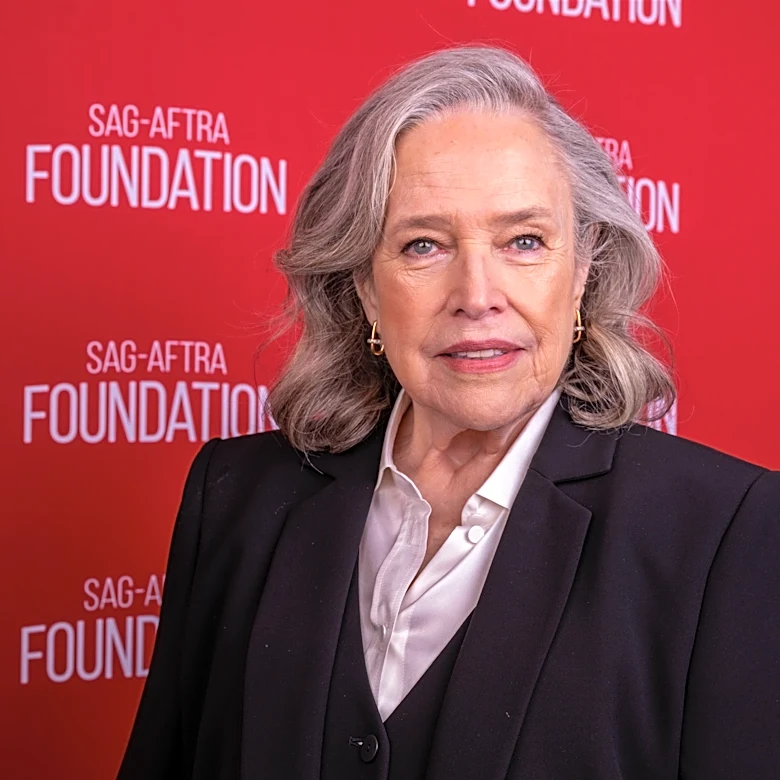
in the stories as her reason for stepping down just weeks before its 2020 Sundance premiere. However, court papers filed by attorneys for Drew Dixon, a former Def Jam executive and accuser of Simmons, suggest that Winfrey's concerns may have stemmed from 'scuttlebutt' about Dixon's motives. A letter from the filmmakers to Winfrey, included in the filings, indicates that Winfrey had expressed doubts based on claims from an unnamed 'friend' that Dixon had been in a romantic relationship with Simmons at the time of the alleged attack and was seeking fame and money. The filmmakers refuted these claims, emphasizing that even if true, they would not negate the possibility of sexual assault.
Why It's Important?
This development is significant as it reveals the complex pressures and considerations involved in high-profile projects addressing sensitive topics like sexual assault. Winfrey's initial public statement about 'inconsistencies' created a cloud of doubt over the documentary and the accusers, potentially impacting public perception of their credibility. The new information from court documents suggests that external influence and unverified claims played a role in her decision, rather than solely factual flaws in the film's narrative. This raises questions about the responsibility of public figures when endorsing or withdrawing from projects that amplify marginalized voices, and the potential for such actions to inadvertently undermine victims. For the U.S. media landscape, it highlights the challenges documentary filmmakers face in navigating powerful personalities and the intense scrutiny surrounding allegations against prominent figures, particularly when those allegations involve issues of power dynamics and consent.
What's Next?
The ongoing legal proceedings, specifically Russell Simmons' lawsuit against Warner Brothers Discovery for airing the film on HBO, will likely continue to bring more details to light regarding the production and the allegations. The court documents have already provided a clearer picture of the internal discussions and pressures surrounding Winfrey's involvement. This could lead to further public discourse on the ethical responsibilities of executive producers and media personalities in handling sensitive content. Additionally, the case may influence how future documentaries on similar topics are produced and vetted, potentially leading to more transparent processes or increased scrutiny of external influences. The revelations could also impact public perception of both Winfrey's decision-making and the broader #MeToo movement, particularly concerning how allegations are evaluated and presented in media.
Beyond the Headlines
The deeper implications of this story touch upon the societal challenges of believing and supporting victims of sexual assault, especially when powerful individuals are accused. The 'scuttlebutt' about Drew Dixon's motives, as revealed in the court documents, exemplifies a common tactic used to discredit accusers by questioning their character or intentions rather than focusing on the alleged acts. This narrative can perpetuate victim-blaming and create a chilling effect, making it harder for others to come forward. The filmmakers' response, emphasizing that personal history does not negate the possibility of assault, is crucial in countering such narratives. This incident underscores the ongoing struggle to shift cultural perceptions around consent and accountability, and the persistent challenges in ensuring that victims' stories are heard and taken seriously, even when powerful figures are involved in their amplification or suppression.