


What's Happening?
Eli Lilly and Novo Nordisk, two major players in the obesity drug market, have reported their second-quarter earnings, revealing a growing divide in their market performance. Eli Lilly has exceeded expectations with a 48% revenue increase, driven by strong
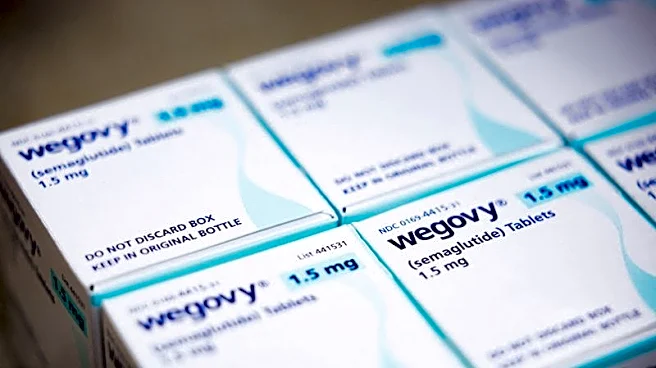
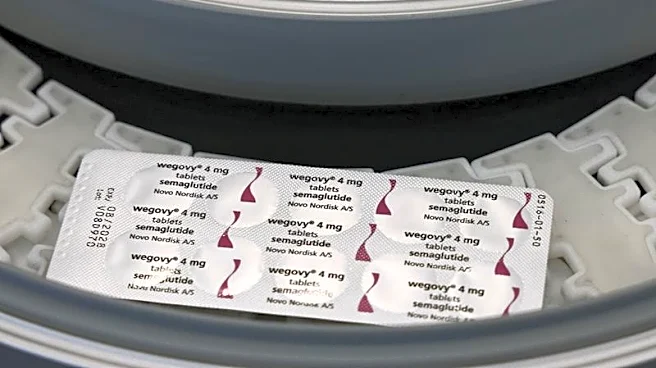
demand for its diabetes and obesity treatments, Mounjaro and Zepbound. The company has also raised its full-year revenue guidance, reinforcing investor confidence. In contrast, Novo Nordisk, despite beating Wall Street expectations and raising its full-year outlook, has faced investor skepticism due to concerns about its growth pipeline. The company's Wegovy pill, a key product, fell short of analyst expectations, raising questions about its potential as a growth driver.
Why It's Important?
The performance of these companies is significant as they are key players in the global obesity drug market, which is projected to be worth over $100 billion by the 2030s. Eli Lilly's strong results and market share dominance in the U.S. highlight its competitive edge and potential to capture a larger share of market growth. Novo Nordisk's challenges, particularly with its Wegovy pill, underscore the importance of product pipeline diversification and investor confidence in sustaining long-term growth. The contrasting fortunes of these companies could influence investment strategies and market dynamics in the pharmaceutical industry.
What's Next?
Both companies are expected to continue focusing on expanding their product offerings and market reach. Eli Lilly's positive momentum suggests it will maintain its leadership position, while Novo Nordisk may need to address investor concerns by demonstrating the potential of its pipeline and new product launches. The market will closely watch how these companies navigate competitive pressures and regulatory environments to sustain growth.