






What's Happening?
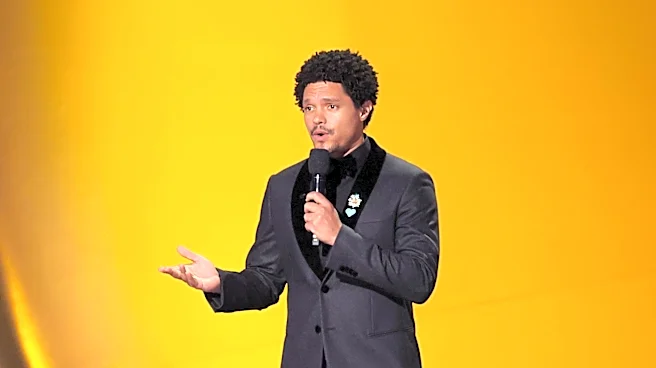
During a recent podcast discussion with social scientist Arthur C. Brooks and comedian Eugene Khoza, Trevor Noah recounted a pivotal childhood memory that he believes significantly influenced his comedic path. At approximately six or seven years old,
while performing in a school play dressed as a tortoise, Noah stumbled and fell. This initial, accidental fall elicited laughter from the audience of about 300 children. Instead of succumbing to embarrassment, Noah made a conscious decision to trip again deliberately when he re-entered the stage. This intentional act of humor resulted in the audience laughing with him, rather than at him. A teacher present at the time recognized this as 'comedic genius.' Noah explained that his motivation was to take control of the narrative, stating, 'If I can be the person who is creating this, then you can't hold it against me.' This experience, where he transformed potential humiliation into a moment of shared humor, is highlighted as a foundational event in his development as a comedian.
Why It's Important?
This anecdote offers significant insight into the psychological underpinnings of humor and resilience, particularly relevant in the entertainment industry. Noah's ability to pivot from embarrassment to intentional comedy at a young age demonstrates a key characteristic of successful performers: the capacity to control and manipulate audience perception. This early lesson in 'changing the narrative' is crucial for public figures who often face scrutiny and potential ridicule. For aspiring comedians and public speakers, it underscores the value of self-awareness and the power of turning perceived weaknesses into strengths. The story also highlights the impact of positive reinforcement from adults, as the teacher's recognition of his 'genius humor' likely validated his instincts and encouraged his comedic development. This foundational experience illustrates how personal narratives and early life events can profoundly shape professional trajectories and public personas, influencing how individuals engage with and entertain audiences throughout their careers.
What's Next?
While this story is a reflection on a past event, its sharing on a podcast indicates Noah's continued engagement with self-analysis and the exploration of his personal journey, which often informs his current and future comedic material. This type of personal storytelling can resonate deeply with his audience, potentially leading to more discussions about the origins of creativity and resilience in his future projects, including his hosting duties and other media appearances. For his listeners and fans, such insights deepen their understanding of his comedic style and philosophy. The discussion with a social scientist also suggests a broader interest in the psychological aspects of humor, which could inspire future content that blends entertainment with academic or philosophical exploration. This reflective approach may also influence how he approaches new comedic challenges or public roles, always seeking to control the narrative and connect with audiences on a more profound level.
Beyond the Headlines
The deeper implication of Noah's childhood experience lies in its illustration of emotional intelligence and agency. At a very young age, he instinctively grasped the concept of reframing a potentially humiliating situation into an empowering one. This act of deliberately tripping a second time was not merely about getting a laugh; it was about reclaiming control and defining his own experience before others could define it for him. This psychological maneuver is a powerful tool for navigating public life and personal challenges, demonstrating that vulnerability, when embraced and controlled, can be transformed into strength and connection. It speaks to the broader human experience of confronting embarrassment and choosing how to react, offering a profound lesson in resilience and self-authorship. The story also subtly critiques the nature of audience perception, distinguishing between laughing 'at' someone versus laughing 'with' them, a distinction central to ethical and effective comedy.