




What's Happening?
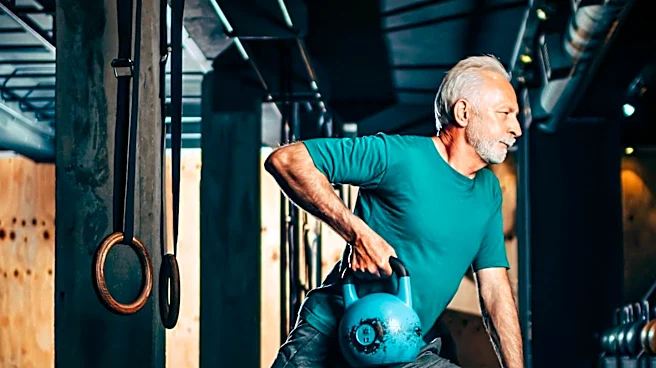
An AI-powered fitness concept, 'The Exercise Coach,' is expanding its reach through local studios, focusing on enhancing the health span of individuals aged 40 and older. These studios employ AI-enabled machines, specifically Exerbotics, which dynamically
adjust resistance in real-time based on the user's performance. According to co-owner Stan Czyzyk, the primary goal is to help people maintain their health and activity levels as they age, thereby increasing the number of years they can remain active and vibrant. The AI technology is integrated into strength training equipment, providing immediate performance feedback and adapting to individual capabilities. This adaptive approach aims to keep muscles under tension while minimizing movements that could elevate the risk of injury to connective tissues. Users receive visual feedback on screens to track their performance, and the machines automatically increase resistance as users progress. The program also includes balance and cognitive exercises to improve stability, reaction time, and prevent falls, combining technology with coaching for maximized results.
Why It's Important?
This development signifies a growing trend in the fitness industry towards personalized, technology-driven solutions for an aging population. As the demographic of older adults continues to grow, there is an increasing demand for fitness programs that are safe, effective, and tailored to their specific needs. The use of AI in fitness equipment can reduce the risk of injury, a common concern for older individuals, by precisely controlling resistance and movement. This approach could lead to better adherence to exercise routines and more significant health outcomes, such as improved strength, balance, and cognitive function. For the healthcare sector, widespread adoption of such programs could potentially reduce the incidence of age-related injuries and chronic conditions, thereby lowering healthcare costs. Furthermore, it highlights the potential of AI to create more inclusive and accessible fitness environments, catering to diverse physical capabilities and promoting active aging.
What's Next?
The expansion of AI-powered fitness studios like 'The Exercise Coach' suggests a future where personalized exercise regimens become more commonplace and accessible. We can anticipate further integration of AI and adaptive technologies into various aspects of fitness and wellness, potentially leading to more sophisticated tracking, predictive analytics for injury prevention, and even AI-driven nutritional guidance. As these technologies evolve, there may be increased collaboration between fitness companies, healthcare providers, and insurance companies to promote preventive health measures. Regulatory bodies might also begin to establish guidelines for AI-driven fitness equipment to ensure safety and efficacy. The success of these models could also inspire similar innovations targeting other specific populations, such as individuals with chronic conditions or those undergoing rehabilitation, further broadening the application of AI in health and wellness.
Beyond the Headlines
The rise of AI-powered fitness raises several deeper implications beyond immediate health benefits. Ethically, questions may arise regarding data privacy and the use of personal performance data collected by these machines. Ensuring the security and responsible handling of such sensitive information will be crucial for consumer trust. Culturally, this trend could shift perceptions of aging, moving away from a narrative of decline towards one of sustained vitality and active participation. It also underscores the increasing reliance on technology for personal well-being, potentially creating a divide between those who can afford such advanced fitness solutions and those who cannot. Long-term, the widespread adoption of AI in fitness could lead to a redefinition of the role of human trainers, who may transition from direct instruction to more supervisory and motivational roles, leveraging AI insights to enhance their coaching effectiveness.