





What's Happening?
Jaguar Land Rover (JLR) has announced plans to cut hundreds of jobs, less than a year after a significant cyberattack disrupted its operations. The company stated that fewer than 300 employees would be affected by the job cuts, and efforts would be made
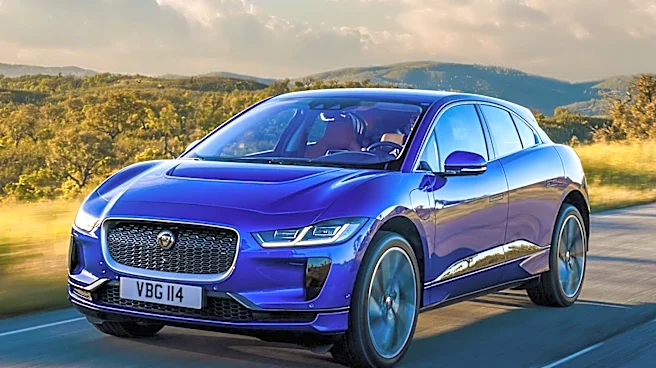
to support impacted workers in finding alternative roles or opting for voluntary early exit. The cyberattack, which occurred in September 2025, halted production for several weeks, leading to a 27% drop in overall production. JLR, headquartered in Whitley with manufacturing sites in Solihull, Wolverhampton, and Halewood, employs around 30,000 people in the UK and 10,000 overseas. The attack also coincided with the company's decision to halt production of Jaguar cars before relaunching a series of all-electric saloons.
Why It's Important?
The job cuts at Jaguar Land Rover highlight the ongoing challenges faced by the automotive industry in the wake of cyber threats. The disruption caused by the cyberattack underscores the vulnerability of manufacturing operations to digital threats, which can have significant economic repercussions. For JLR, the production halt not only affected its output but also its workforce, necessitating difficult decisions regarding employment. This development is crucial for the West Midlands, where JLR is a major employer, and it raises concerns about job security in the region. Additionally, the move to cut jobs reflects broader industry trends towards automation and digitalization, which may lead to further workforce reductions in the future.
What's Next?
As Jaguar Land Rover navigates the aftermath of the cyberattack, the company is likely to focus on strengthening its cybersecurity measures to prevent future disruptions. The job cuts may also prompt discussions within the automotive industry about the balance between technological advancements and workforce implications. Stakeholders, including employees, unions, and local communities, may seek assurances from JLR regarding future job security and investment in the region. Additionally, the company's shift towards electric vehicles could influence its strategic direction and workforce needs, potentially leading to new opportunities in emerging automotive technologies.