





What's Happening?
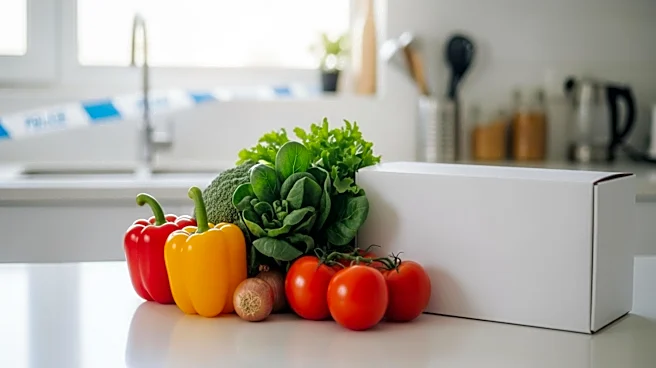
Blue Apron has revamped its meal kit offerings, focusing on affordability and variety, particularly for vegetarian consumers. The company has eliminated its subscription model, allowing customers to purchase meals à la carte. This change aims to attract
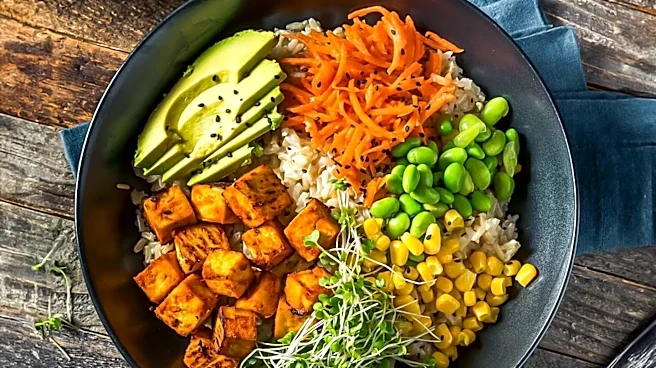
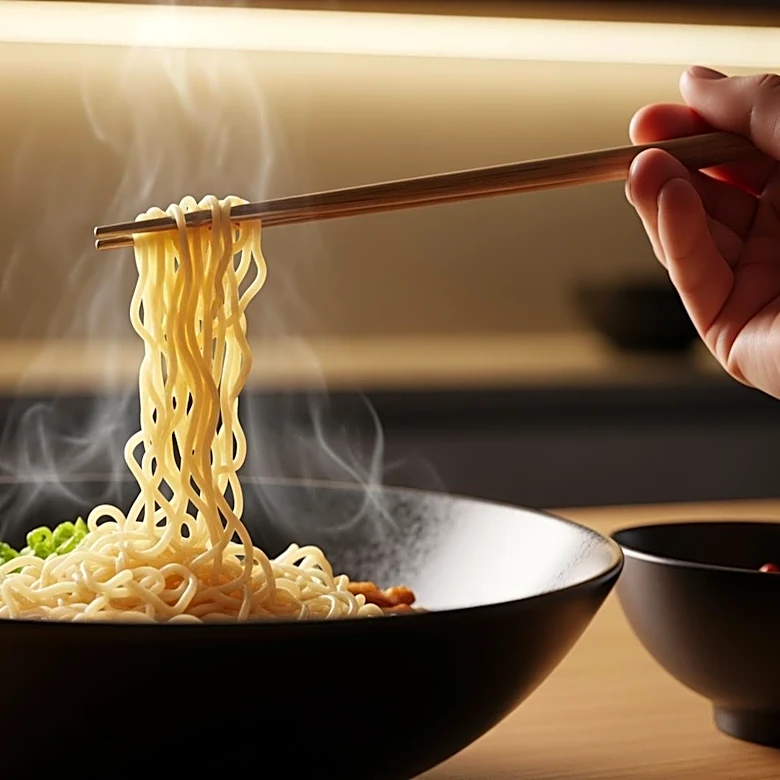
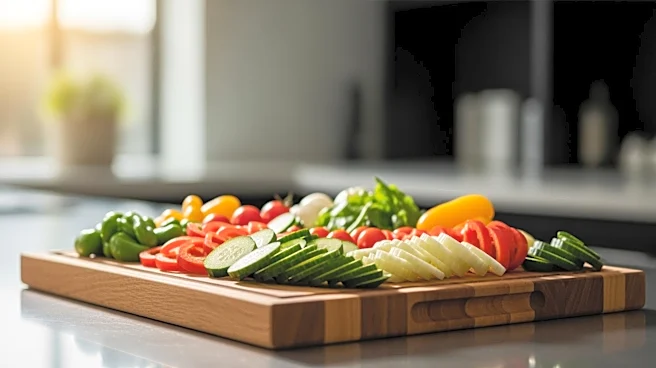
a broader audience, including those who are cost-conscious. Blue Apron offers over 100 meals per week, including vegetarian options like roasted cauliflower and farro salad, and Thai-style curry noodles. The company has also introduced two new product lines: 'Dish by Blue Apron,' which are pre-made meals ready in five minutes, and 'Assemble and Bake,' which are one-pan meals requiring minimal preparation. These changes are designed to cater to diverse dietary preferences and simplify meal preparation for busy individuals.
Why It's Important?
The shift in Blue Apron's business model reflects a growing trend in the meal delivery industry towards flexibility and customization. By eliminating mandatory subscriptions, Blue Apron is making its services more accessible to a wider range of consumers, including those who may not want to commit to regular deliveries. This move could potentially increase the company's market share in the competitive meal kit industry. Additionally, the focus on vegetarian options aligns with increasing consumer demand for plant-based meals, which is driven by health and environmental concerns. The affordability of Blue Apron's offerings may also appeal to budget-conscious consumers, particularly in an economic climate where food costs are a significant concern.
What's Next?
Blue Apron's new model could prompt other meal kit companies to reevaluate their subscription-based services and consider offering more flexible purchasing options. The company's success in attracting new customers with its revamped offerings could lead to further innovations in meal kit services, such as expanding dietary options or enhancing convenience features. Additionally, Blue Apron's focus on vegetarian meals may encourage other companies to diversify their menus to include more plant-based options, responding to the growing demand for sustainable and health-conscious food choices.