
What's Happening?
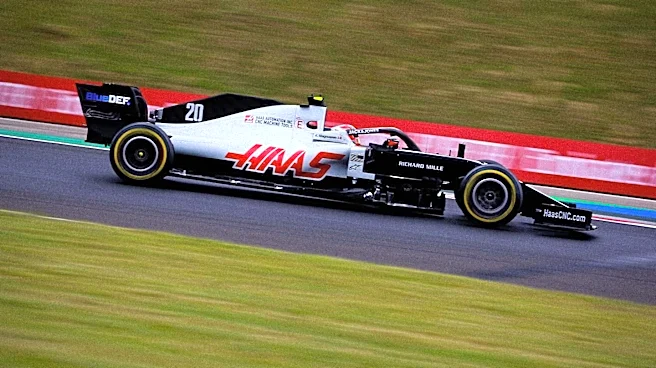
Esteban Ocon's position at Haas is reportedly under increasing pressure, with the team considering six potential replacements. Speculation suggests Ocon could depart Haas at the end of the 2026 Formula 1 season, or possibly sooner. According to Japanese
automotive publication Auto Sport Web, Haas has compiled a list of six drivers as alternatives. This report, while not confirming a decision, highlights the growing uncertainty surrounding Ocon's tenure with the team. The potential replacements include Ferrari junior Rafael Càmara, McLaren reserve driver Leonardo Fornaroli, Haas reserve driver Ryo Hirakawa, Jack Doohan, Liam Lawson, and Yuki Tsunoda. Three of these candidates—Càmara, Fornaroli, and Hirakawa—recently participated in a TPC test for Haas in Portugal following the Dutch Grand Prix, where Càmara reportedly made the strongest impression.
Why It's Important?
The potential change in Haas's driver lineup could significantly impact the team's performance and strategic direction in Formula 1. As an American-owned team, Haas's driver choices can influence its appeal to sponsors and its competitive standing within the sport. The consideration of a diverse group of drivers, including junior talents backed by major manufacturers like Ferrari and McLaren, suggests Haas is exploring various avenues for future success. This situation also highlights the intense competition for seats in Formula 1, where even established drivers like Ocon face constant scrutiny. The involvement of drivers with ties to Red Bull, such as Liam Lawson and Yuki Tsunoda, further underscores the dynamic nature of driver movements and the strategic considerations teams weigh, including existing manufacturer relationships and financial backing.
What's Next?
The situation surrounding Esteban Ocon's future at Haas will remain a key focus as the 2026 Formula 1 season progresses. Haas is expected to continue evaluating its options, and further developments regarding Ocon's contract or the potential signing of a new driver could emerge. The performance of the listed candidates, particularly those who have already tested with Haas, will likely be closely monitored. Any decision by Haas would trigger a ripple effect in the driver market, potentially opening up seats at other teams or influencing the career trajectories of the drivers currently under consideration. The commercial implications, especially concerning Yuki Tsunoda's ties to Honda and Haas's partnership with Toyota, will also need to be addressed if a move for Tsunoda were to materialize.
Beyond the Headlines
This situation reflects the broader pressures and strategic complexities inherent in Formula 1, where driver performance, team dynamics, and commercial interests are intricately linked. The constant evaluation of driver lineups underscores the high-stakes environment of professional motorsport, where careers can be made or broken based on performance and strategic fit. The potential for junior drivers from major academies to step into F1 highlights the importance of development programs in nurturing future talent. Furthermore, the discussion around manufacturer affiliations, such as Honda and Toyota, reveals how commercial partnerships can influence driver selection, adding another layer of complexity beyond pure racing talent. This ongoing scrutiny ensures that teams are always seeking the optimal combination of skill, experience, and marketability.