








What's Happening?
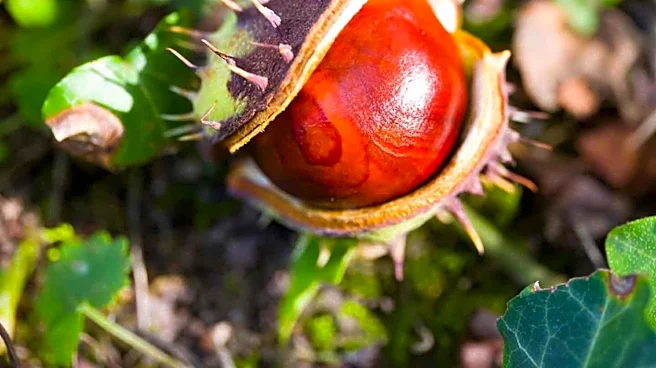
In Carroll County, Ohio, the Route 9 Cooperative, a group of six regional farmers, is successfully developing new markets for chestnuts and acorns by processing them into flour. This initiative, supported by Rural Action's Sustainable Agriculture program,
addresses the challenge small-scale farmers face in finding buyers and processing infrastructure for their harvests. While Grade A chestnuts typically sell out quickly, a significant portion of the harvest consists of smaller, less uniform Grade B nuts, which previously had limited market opportunities. The cooperative has partnered with Stutzman Organic Farm to mill these chestnuts into flour, which has found a market with acclaimed restaurants like Blue Hill at Stone Barns. Building on this success, Route 9 Cooperative is now exploring the commercial viability of acorns, a locally abundant resource, for similar flour products. This effort involves overcoming challenges such as irregular oak tree yields, high tannin content in some acorns, and the lack of readily available commercial processing equipment.
Why It's Important?
This development is significant for U.S. agriculture, particularly for small-scale farmers in regions like Appalachia. By creating value-added products from previously overlooked crops, the Route 9 Cooperative demonstrates a model for enhancing farm profitability and sustainability. This approach reduces waste by utilizing a greater share of the harvest and diversifies income streams beyond fresh sales. The collaboration between farmers, processors, and buyers highlights the potential for regional food systems to thrive by connecting local producers with broader markets. Furthermore, the initiative to commercialize acorns could reintroduce a native food resource into contemporary regional food culture, offering new culinary possibilities and supporting biodiversity. The success of this cooperative could inspire similar efforts in other agricultural communities, fostering economic resilience and promoting sustainable farming practices across the nation.
What's Next?
The Route 9 Cooperative is actively seeking additional funding to further its research and development efforts for acorn processing. A key focus is improving infrastructure to leach tannins from acorns at a commercial scale before milling, which would make acorn flour more practical for a wider range of commercial buyers, including restaurants, bakeries, and distilleries. Continued research and investment in processing and handling technologies are crucial for acorns to transition from a specialty ingredient to a more widely used food product. The cooperative's established chestnut business provides a strong foundation for these new ventures, leveraging existing relationships, equipment, and market experience. As more chestnut growers enter production across the region, developing additional markets for both chestnuts and acorns will be vital for expanding opportunities for Appalachian farmers and diversifying the crops available to regional food businesses.
Beyond the Headlines
The work of the Route 9 Cooperative extends beyond mere product development; it represents a deeper shift towards valuing and utilizing indigenous and underutilized food resources. By transforming chestnuts and acorns into marketable products, the cooperative is not only creating economic opportunities but also reconnecting with the ecological and cultural heritage of the Appalachian region. This initiative highlights the importance of local food systems in fostering community resilience and reducing reliance on monoculture farming. The challenges faced, such as processing difficulties and ensuring consistent supply, underscore the need for innovative solutions and collaborative efforts within the agricultural sector. This model could serve as a blueprint for other regions looking to leverage their unique natural resources, promoting a more diverse, sustainable, and culturally rich food landscape across the U.S.