






What's Happening?
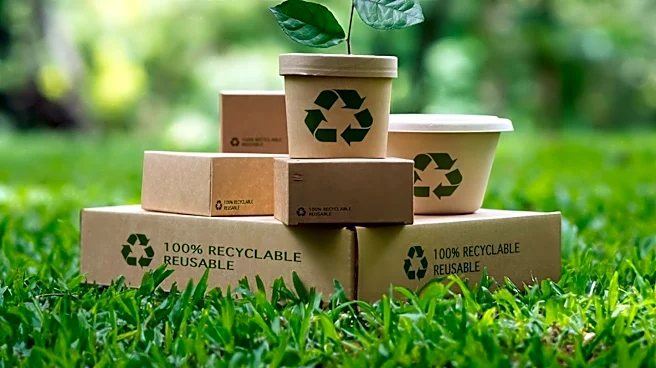
Cornell University's third annual Holiday Marketplace is showcasing over 140 alumni-owned businesses, including several that feature refillable dispensers and eco-friendly products. Among these is The Fill Club, founded by Gwen Whiting '98, which offers
a membership-based line of high-end cleaning products with refillable dispensers designed to reduce container waste. Another featured business, Scrub Be Love by Dominique Pastorello '07, specializes in eco-friendly sponges that serve as replacements for single-use and disposable cleaning items. These initiatives align with a broader movement towards sustainability and waste reduction in consumer goods. The marketplace provides a platform for Cornell alumni entrepreneurs to promote their businesses, many of which emphasize environmentally conscious practices and innovative product designs.
Why It's Important?
This initiative from Cornell University highlights a growing trend in the U.S. business landscape towards sustainability and responsible consumption. By featuring alumni businesses that prioritize refillable and eco-friendly products, the marketplace not only supports entrepreneurship but also promotes environmental awareness among consumers. The emphasis on reducing container waste, as seen with The Fill Club's refillable dispensers, directly addresses concerns about plastic pollution and resource depletion. For consumers, these offerings provide accessible options for making more sustainable purchasing choices, potentially influencing their long-term buying habits. For the broader business community, the success of such ventures can demonstrate the viability and market demand for eco-conscious products, encouraging other companies to adopt similar practices and invest in sustainable innovation. This also reflects a shift in educational institutions promoting values beyond traditional academics, fostering a generation of entrepreneurs with a focus on social and environmental impact.
What's Next?
The continued success and expansion of initiatives like Cornell's Holiday Marketplace could lead to increased visibility and market share for businesses offering sustainable products. This could encourage more universities and organizations to support and promote eco-friendly entrepreneurship. For the featured businesses, increased exposure may lead to greater customer adoption of refillable and reusable models, further reducing waste. The trend towards membership-based refill services, as exemplified by The Fill Club, might become more prevalent, offering consumers convenient ways to maintain sustainable habits. Additionally, the focus on reducing container waste could prompt policy discussions and regulatory changes aimed at incentivizing or mandating more sustainable packaging practices across various industries in the U.S.
Beyond the Headlines
The showcasing of refillable and eco-friendly products by Cornell alumni reflects a deeper societal shift towards valuing sustainability and conscious consumption. It underscores the idea that environmental responsibility can be integrated into successful business models, moving beyond mere corporate social responsibility to become a core business strategy. This trend also highlights the role of educational institutions in fostering innovation that addresses global challenges like waste and pollution. The emphasis on reducing container waste, particularly through refillable dispensers, challenges the traditional linear economy model of 'take-make-dispose' and promotes a circular economy approach. This cultural shift could lead to a re-evaluation of consumer convenience, where the ease of disposability is replaced by the long-term benefits of reusability and reduced environmental impact.