







What's Happening?
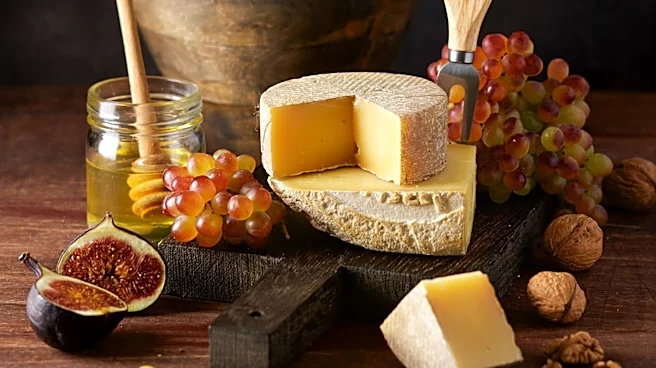
New research indicates that artisan cheese, particularly aged varieties, is a significant source of beneficial probiotics and prebiotics, contributing positively to gut health. Unlike mass-produced cheeses, artisan cheeses are made with raw or minimally
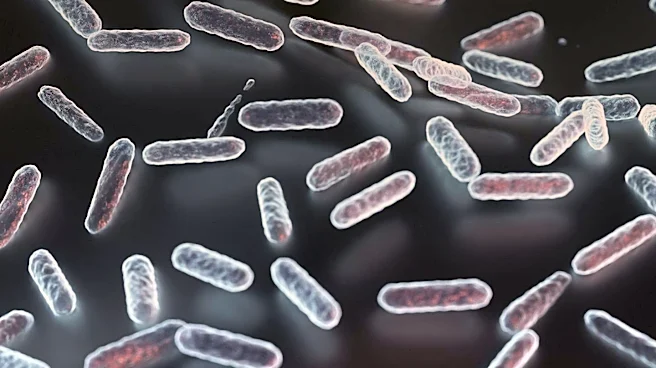
processed milk and undergo slower aging processes, fostering a diverse microbial ecosystem. This ecosystem includes various strains of lactic acid bacteria (LAB), which are known for their probiotic potential. A 2025 review highlighted that LAB in fermented dairy products support gut health, cardiovascular health, bone density, weight management, and may reduce cancer risk. Additionally, the white rind on soft artisan cheeses like Brie and Camembert contains chitin, a type of dietary fiber that acts as a prebiotic, feeding beneficial gut bacteria. This combination of probiotics and prebiotics is increasingly recognized by gut health researchers as more effective than either alone. The extended fermentation also breaks down lactose, making artisan cheeses more tolerable for individuals with lactose sensitivity.
Why It's Important?
This discovery is important for U.S. consumers seeking to improve their gut health through dietary means. With a growing interest in fermented foods and probiotics, artisan cheese offers an accessible and enjoyable option beyond traditional sources like yogurt and kimchi. For individuals with lactose intolerance, the low lactose content in aged artisan cheeses provides a viable dairy option that typically causes fewer digestive issues. The potential for both probiotics from the cheese paste and prebiotics from the rind offers a comprehensive approach to supporting a healthy gut microbiome. This research could influence dietary recommendations and consumer choices, potentially boosting the market for artisan cheese producers who emphasize traditional methods and raw milk usage. It also highlights the value of microbial diversity in food production and its impact on human health.
What's Next?
Further research is anticipated to confirm the prebiotic effects of chitin in cheese rinds and to explore the full spectrum of microbial benefits in various artisan cheese types. Consumers may see an increased emphasis on the gut health benefits of artisan cheeses in marketing and nutritional guidance. Specialty cheese shops and farmers' markets, which are primary sources for locally made and farmstead cheeses, could experience higher demand as consumers become more aware of these benefits. The findings might also encourage food manufacturers to explore new fermentation techniques or product formulations that mimic the microbial diversity found in artisan cheeses. Additionally, dietitians and healthcare professionals may begin to incorporate artisan cheese into dietary recommendations for gut health, especially for those who struggle with lactose intolerance or are looking to diversify their probiotic intake.
Beyond the Headlines
The findings extend beyond simple dietary advice, touching upon the broader implications of traditional food production methods versus industrial processes. The emphasis on raw milk and slow aging in artisan cheese-making underscores the value of preserving traditional culinary practices, which often yield products with enhanced nutritional and health benefits. This research also highlights a potential shift in how consumers perceive 'indulgent' foods, transforming artisan cheese from a mere treat into a functional food with significant health advantages. It could spark a deeper appreciation for the complex microbiology of food and its role in human well-being, encouraging a more holistic view of diet and health. The study also subtly challenges the notion that all dairy products are problematic for lactose-intolerant individuals, suggesting that processing methods play a crucial role in digestibility.