



What's Happening?
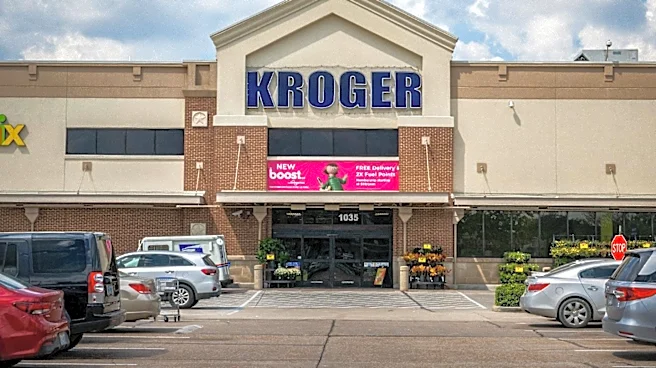
The Kroger Co., a major food retail company, is facing accusations from the Center for Responsible Food Business regarding alleged overcharging of customers and the use of surveillance pricing. The advocacy group launched the 'Kroger Hurts Families' campaign,
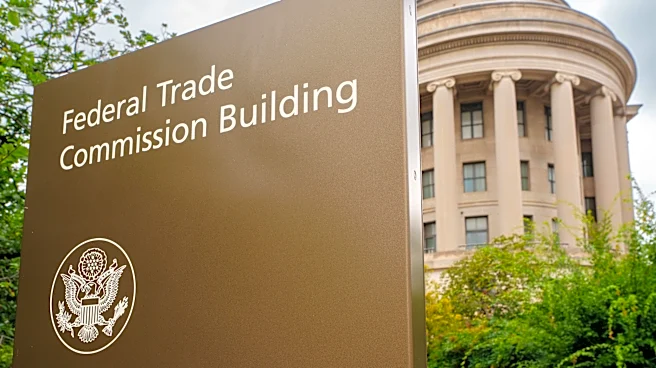
featuring ads on billboards and during NFL games in states like Ohio and Texas. Taylor Warren, president of the Center for Responsible Food Business, stated that the campaign aims to warn customers about Kroger's pricing practices, claiming prices have risen beyond inflation. The organization asserts that it has received numerous testimonials from customers detailing issues with digital coupons and discrepancies between shelf prices and checkout prices. A report titled 'Kroger's Pricing Problem' by the group, based on findings from government inspectors in Ohio, indicated that one in three Kroger stores in nine state jurisdictions overcharged customers. The report also found that pricing errors favored Kroger almost three times more often than shoppers. The Federal Trade Commission (FTC) noted in January 2025 that precise location or browser history can be used to set different prices for the same product across various retail sectors.
Why It's Important?
These accusations against Kroger highlight a growing concern within the retail industry regarding pricing transparency and consumer fairness. The use of 'surveillance pricing,' where personal data like location or browser history influences product prices, raises significant ethical and regulatory questions. If proven, such practices could erode consumer trust in large retailers and potentially lead to calls for stricter data privacy and pricing regulations. For Kroger, these allegations could impact its brand reputation and financial performance, especially if consumer backlash leads to reduced sales or if legal actions are pursued. The involvement of the FTC and the banning of surveillance pricing in several states and cities underscore the broader societal and governmental interest in protecting consumers from potentially exploitative pricing strategies. This situation could set a precedent for how other retailers manage their pricing models and data usage in the future.
What's Next?
The 'Kroger Hurts Families' campaign is expected to continue, potentially increasing public awareness and pressure on Kroger. Regulators and lawmakers, already interested in surveillance pricing, may intensify their scrutiny of retail pricing practices. The findings from the Center for Responsible Food Business's report could prompt further investigations by state and federal authorities into Kroger's pricing accuracy and data utilization. Consumers might become more vigilant about price discrepancies and the use of their personal data by retailers. Kroger will likely need to address these accusations publicly and potentially review its pricing strategies and data handling policies to mitigate reputational damage and avoid potential legal repercussions. The ongoing debate around surveillance pricing could also lead to new legislative efforts to regulate such practices more broadly across the U.S. retail sector.
Beyond the Headlines
The controversy surrounding Kroger extends beyond immediate pricing issues, touching upon fundamental questions of consumer data privacy and algorithmic fairness in commerce. The concept of surveillance pricing, where individual data dictates prices, introduces a new layer of complexity to market dynamics, potentially creating a two-tiered pricing system that disadvantages certain consumers. This raises ethical concerns about whether companies are leveraging personal information to maximize profits at the expense of equitable access to goods. The broader implication is a potential shift in consumer-retailer relationships, where trust becomes increasingly fragile due to opaque pricing mechanisms. This situation could accelerate the demand for robust data protection laws and greater transparency in how companies use consumer data for commercial purposes, influencing not just the grocery sector but the entire retail landscape in the U.S.