





What's Happening?
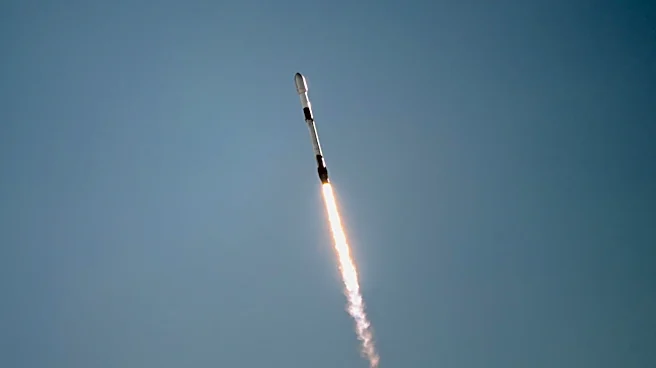
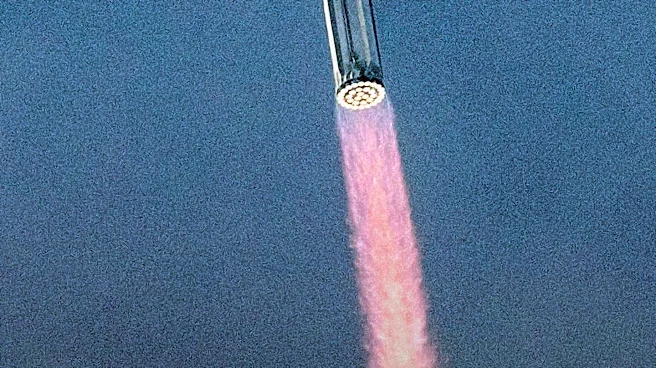
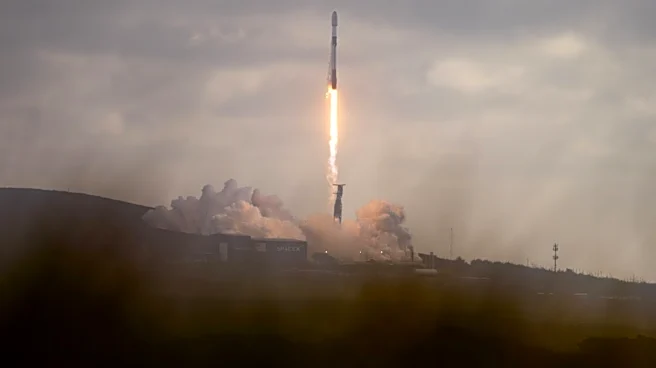
SpaceX has successfully conducted a full-duration static fire test of all 33 engines on its Super Heavy booster at its Starbase facility in South Texas. This test is a crucial step in preparing for Starship's 15th flight, tentatively scheduled for November.
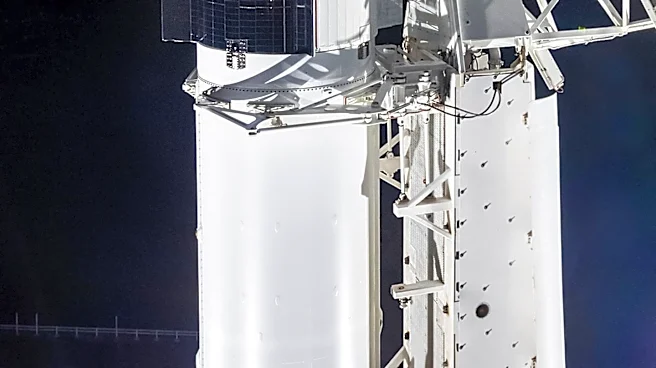
For this mission, SpaceX plans to attempt a never-before-achieved feat: recovering both the Super Heavy booster and the Starship upper stage using giant mechanical arms attached to launch towers. While Super Heavy boosters have been successfully caught before, this will be the first attempt to catch the Starship spacecraft itself after flight. The full-duration static fire, which occurred on Sunday, October 25, involved the booster remaining secured to the launch pad while its Raptor engines fired, generating a significant cloud of exhaust and steam. This test allows engineers to assess engine performance, fuel delivery, pressure levels, and the interaction between the booster and the launch pad.
Why It's Important?
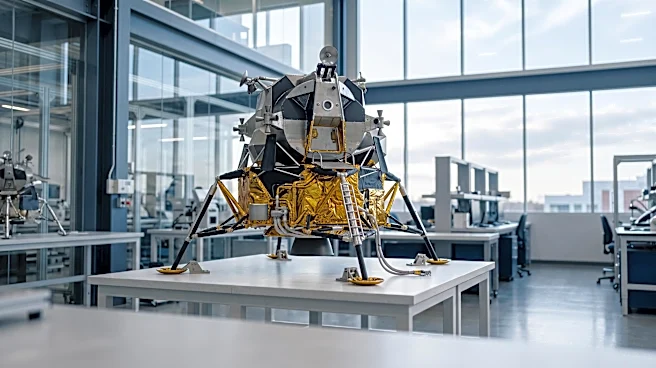
The successful static fire test and the ambitious dual-stage recovery plan for Flight 15 represent a significant leap towards SpaceX's goal of achieving full and rapid reusability for its Starship system. This capability is central to substantially reducing the cost of reaching orbit, which is critical for missions requiring large payloads or frequent launches. Full reusability is also vital for NASA's Artemis program, as a modified Starship is intended to transport astronauts to the lunar surface. Furthermore, it is essential for SpaceX's plans to deploy larger Starlink satellites and eventually send humans and cargo to Mars. If successful, catching both stages would mark a major technological milestone, demonstrating the viability of a fully reusable orbital launch vehicle. This would allow SpaceX to examine the post-flight condition of engines, heat shields, and other systems, providing invaluable data for future improvements and accelerating the development of space travel.
What's Next?
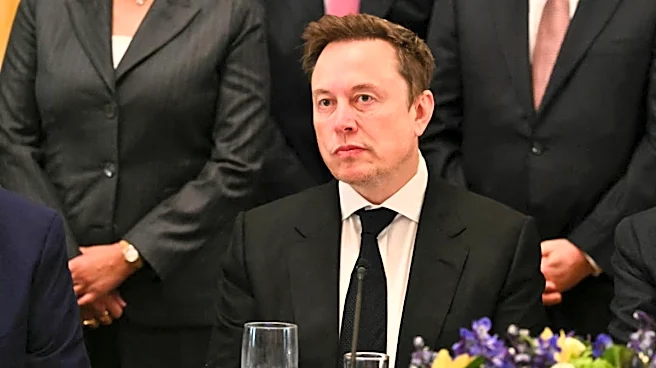
SpaceX will proceed with preparations for the Starship upper stage and integrate the two vehicles for Flight 15. The company also needs to secure the necessary regulatory approval, specifically the Flight 15 license from the Federal Aviation Administration (FAA), which SpaceX President and Chief Operating Officer Gwynne Shotwell expects to cover the return and recovery of both stages. While the engine test for the booster is complete, it is not yet confirmed if the upper stage has undergone its pre-flight engine testing. Elon Musk has acknowledged the difficulty of the planned catches but expressed optimism about their success. If successful, this mission will pave the way for a much faster launch schedule, with Musk outlining plans for weekly Starship flights in the first half of 2027, increasing to twice weekly or more by the end of that year. The ultimate goal is to demonstrate that recovered hardware can be inspected, refurbished, and flown again without extensive rebuilding.
Beyond the Headlines
The pursuit of full and rapid reusability with Starship has profound implications beyond just cost reduction. It represents a paradigm shift in space transportation, potentially making space access as routine and affordable as air travel. This could unlock new economic opportunities in space, such as in-orbit manufacturing, space tourism, and resource extraction. The ability to quickly and affordably launch large payloads could also accelerate scientific research and enable more ambitious deep-space missions. Ethically, the increased accessibility of space raises questions about orbital debris management and the responsible use of extraterrestrial resources. Culturally, a fully reusable Starship could reignite public imagination about space exploration, inspiring a new generation of scientists and engineers. The success of Flight 15's recovery attempts will be a critical indicator of humanity's progress towards becoming a multi-planetary species, fundamentally altering our relationship with space.