






What's Happening?
The International Air Transport Association (IATA) has published the updated 2027 editions of its key industry manuals for cargo and ground operations. These revisions incorporate significant changes to align with evolving global standards and technological
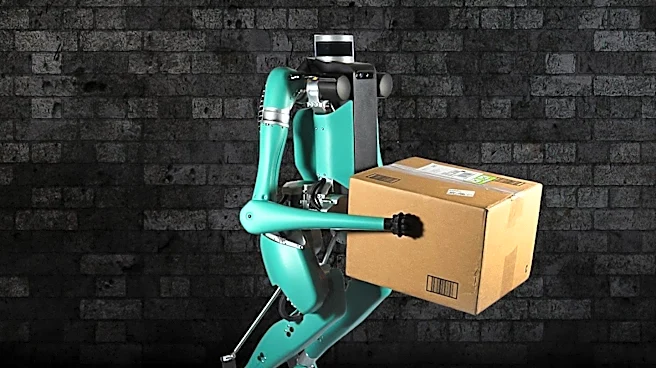
advancements. Notable updates include clearer packaging requirements for Dangerous Goods Regulations (DGR), provisions for hybrid batteries in Battery Shipping Regulations (BSR), and standardized terminology for Live Animals Regulations (LAR). The Airport Handling Manual (AHM) now features new guidance for biometric handling in contactless travel and advanced provisions for autonomous ground service equipment. A major focus of these updates is the integration of enhanced digital tools, which will increasingly leverage Artificial Intelligence (AI) to link IATA’s manuals more efficiently to industry processes. This move aims to advance safer, more efficient airline operations by embedding IATA standards into decision-making and live operational environments, as stated by Frederic Leger, IATA’s Senior Vice President of Products and Services.
Why It's Important?
These updated manuals are crucial for the U.S. aviation industry, as they directly impact the safety, efficiency, and regulatory compliance of cargo and ground operations. The integration of AI into digital tools, such as LAR Verify for live animal shipments and DG Digital for dangerous goods declarations, signifies a major step towards data-driven operations. This will likely lead to reduced human error, faster processing times, and improved overall safety across U.S. airports and airlines. For businesses involved in air cargo, particularly those handling dangerous goods or live animals, these revisions necessitate immediate review and adaptation of their procedures to ensure compliance and avoid potential disruptions. The emphasis on biometric handling in contactless travel also points to future shifts in passenger processing, potentially streamlining travel for U.S. citizens and international visitors. The updates reflect a global push towards more connected and automated aviation, which will require significant investment in technology and training for U.S. aviation stakeholders to remain competitive and compliant.
What's Next?
U.S. airlines, cargo operators, and ground handling companies will need to promptly implement the revised standards outlined in the 2027 IATA manuals. This will involve updating operational procedures, conducting staff training on new regulations and digital tools, and potentially investing in new technologies that support AI integration. The adoption of these standards is expected to lead to a more harmonized global aviation environment, but U.S. entities must ensure their internal systems and processes are fully aligned. Furthermore, the increased reliance on AI in operational environments will likely prompt discussions and developments around data security, privacy, and the ethical implications of AI in aviation. Regulatory bodies in the U.S., such as the FAA, will likely monitor the implementation and effectiveness of these new standards, potentially issuing supplementary guidance or requirements to ensure their proper application within the national aviation framework.
Beyond the Headlines
The comprehensive updates to IATA's manuals, particularly the emphasis on AI and digital tools, signal a broader transformation within the aviation industry towards 'smart' operations. This shift extends beyond mere compliance, touching upon the fundamental nature of how air travel and cargo logistics are managed. The move towards automated compliance verification and digital load verification, for instance, could significantly reduce the cognitive load on human operators, allowing them to focus on more complex decision-making. However, it also raises questions about the skills required for the future aviation workforce, necessitating a greater emphasis on digital literacy and AI proficiency. The ethical considerations surrounding biometric data in contactless travel and the accountability of AI systems in critical operational decisions will also become increasingly prominent. This evolution could redefine industry best practices, setting new benchmarks for safety, efficiency, and technological integration in U.S. and global aviation.