



What's Happening?
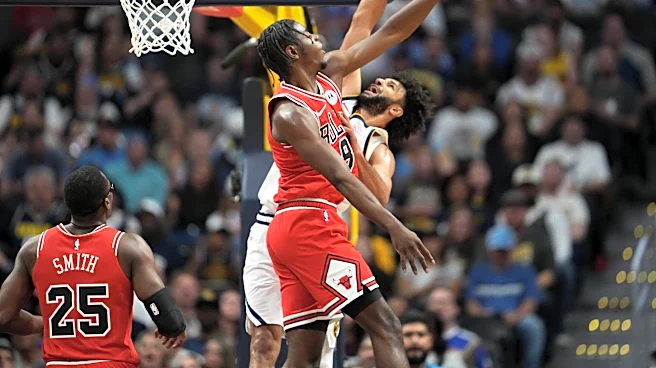
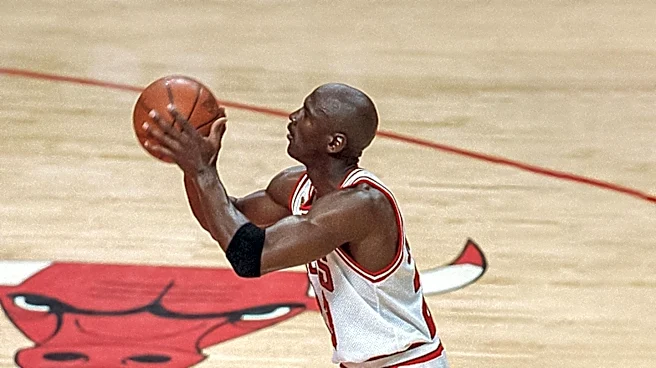
On October 15, 1966, the Chicago Bulls achieved their first-ever victory in the National Basketball Association (NBA), defeating the St. Louis Hawks with a score of 104-97. This historic game took place in St. Louis. The Bulls' starting lineup for this
inaugural win included Bob Boozer and Don Kojis at forwards, Len Chappell at center, and Guy Rodgers and Jerry Sloan at guards. The team was coached by John 'Red' Kerr. Just three days later, the Bulls celebrated their home opener with another win, beating the San Francisco Warriors 119-116 at the International Amphitheatre, where Jerry Sloan contributed 26 points. This marked a significant beginning for the franchise in the professional basketball league.
Why It's Important?
The Chicago Bulls' first NBA victory in 1966 is a foundational moment in the history of one of the league's most iconic franchises. This initial win set the stage for the team's future development and eventual rise to prominence in professional basketball. For the city of Chicago, the establishment and early success of the Bulls provided a new source of civic pride and entertainment, expanding its sports landscape beyond established teams like the White Sox. The performance of key players like Jerry Sloan in these early games hinted at the talent that would become synonymous with the Bulls' identity. This event is important for understanding the origins of the Bulls' legacy and their journey from a new expansion team to a dominant force in the NBA, influencing generations of basketball fans and contributing significantly to Chicago's sports culture.
What's Next?
Following their initial victories, the Chicago Bulls would continue to build their team and fan base. The early successes, though modest compared to later eras, were crucial for establishing the franchise's presence in the NBA. The team would focus on developing its roster, refining strategies under Coach John 'Red' Kerr, and cultivating a strong home-court advantage. The immediate future involved navigating the competitive landscape of the NBA, aiming for consistent performance, and striving for playoff contention. The enthusiasm generated by these early wins would be vital in attracting more fans and talent, laying the groundwork for the team's long-term growth and eventual championship aspirations. The organization would likely invest in scouting and player development to strengthen its competitive edge in subsequent seasons.
Beyond the Headlines
The debut victory of the Chicago Bulls transcends a mere sports statistic; it represents the birth of a cultural institution in Chicago. Over the decades, the Bulls would become a global phenomenon, particularly during their championship runs in the 1990s. This initial win, however small, was the first step in creating a narrative of perseverance and eventual triumph that would captivate millions. The team's journey from an expansion franchise to a dynasty reflects broader themes of growth, community identity, and the power of sports to unite. The Bulls' history, starting with this game, illustrates how a sports team can evolve into a significant economic and social entity, influencing local businesses, media, and the collective spirit of a major American city.