







What's Happening?
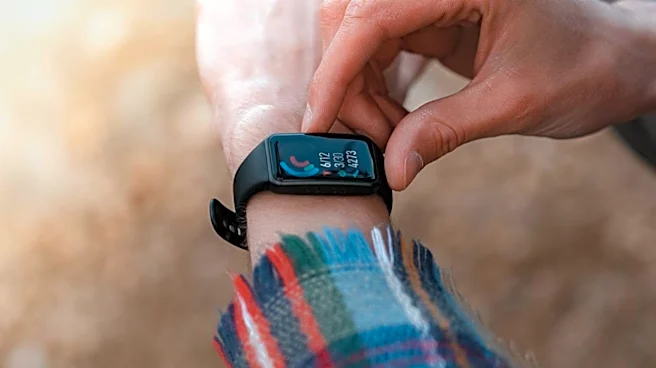
WHOOP's 5.0 wrist wearable now includes a 'healthspan suite' that provides insights and an AI coach. This coach correlates inconsistent sleep with changes in 'Whoop age,' offering data-backed nudges to users. The device itself is 7% smaller than its predecessor
and is designed to be discreet. While it offers recovery data and excellent sleep monitoring, it is not a full-fledged fitness watch and requires a mandatory subscription, ranging from $199 for a basic annual membership to $359 for a 'Life' package. The WHOOP 5.0 focuses on cardiovascular recovery and sleep, with an updated strain algorithm that now accounts for mechanical strain from activities like heavy lifting, addressing a historical limitation where it primarily relied on heart rate data. This enhancement allows the device to provide more accurate recovery recommendations by recognizing sets and assigning muscular load.
Why It's Important?
The introduction of WHOOP's healthspan suite and AI coach signifies a growing trend in personalized health technology aimed at optimizing aging and vitality. This development is important for the U.S. health and wellness industry as it pushes the boundaries of wearable technology beyond basic fitness tracking into more sophisticated healthspan management. For consumers, it offers a new tool for understanding and potentially improving their 'biological age' and overall well-being. However, the source also highlights concerns about the accuracy of healthspan scores from such devices, suggesting they might not fully encompass all health factors and could lead to a false sense of security. This raises critical questions for the medical community and regulatory bodies regarding the validation and responsible marketing of such advanced health metrics, especially as more individuals rely on these devices for health decisions. The subscription model also represents a significant business strategy, creating recurring revenue streams for tech companies in the health sector.
What's Next?
The ongoing development of healthspan tracking technologies like WHOOP's suite will likely lead to increased competition and innovation in the wearable health device market. Future iterations may focus on integrating more comprehensive health factors and improving the accuracy and reliability of 'biological age' assessments to address current concerns. There could also be a push for greater transparency from manufacturers regarding the methodologies used to calculate these scores. As these technologies become more prevalent, consumers can expect more personalized health insights and coaching, potentially influencing daily lifestyle choices. However, the industry may also face increased scrutiny from healthcare professionals and consumer advocacy groups regarding the scientific validity and potential over-reliance on these metrics. The subscription-based model is likely to continue, with companies exploring different tiers and offerings to attract and retain users.
Beyond the Headlines
The rise of healthspan tracking technology like WHOOP's healthspan suite touches upon deeper societal and ethical implications. The concept of a 'Whoop age' and the ability to track and potentially reverse biological aging could shift cultural perceptions of aging, moving from a passive acceptance to an active pursuit of longevity and vitality. This could lead to increased demand for preventative health measures and personalized interventions. However, it also raises questions about data privacy and the potential for these highly personal health metrics to be used by insurance companies or employers. The emphasis on individual responsibility for healthspan optimization, while empowering, could also inadvertently create new forms of health anxiety or pressure to conform to idealized health metrics. Furthermore, the cost associated with these advanced tracking systems, particularly the mandatory subscriptions, could exacerbate health disparities, making cutting-edge longevity tools accessible primarily to affluent segments of the population.