





What's Happening?
Smart home routines are emerging as a key trend for automating household tasks, offering time-saving solutions for daily activities. These routines leverage schedules, buttons, voice commands, or sensors to streamline various functions, from lighting
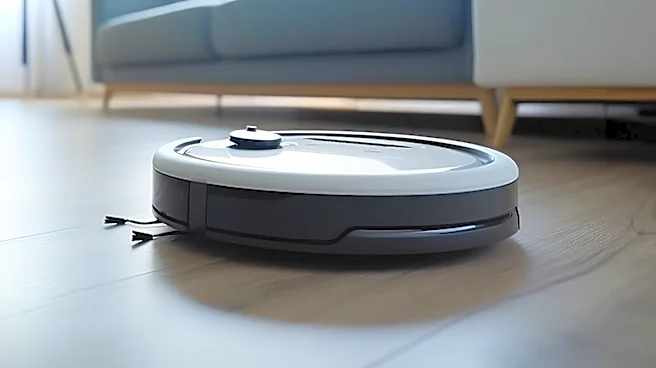
and reminders to cleaning and meal planning. For instance, users can set up morning lighting automation, create 'away' routines that adjust home settings when leaving, or establish 'welcome home' lighting. Meal planning is also being simplified, with shared shopping lists and reminders managed through voice assistants and phone apps, eliminating the need for connected fridges or specialist sensors. The focus is on automating repeated decisions rather than acquiring impressive equipment, making smart home technology accessible even with minimal devices. Users can start with simple routines like a single smart bulb or phone reminder and gradually expand, ensuring that routines are useful and not overly complicated.
Why It's Important?
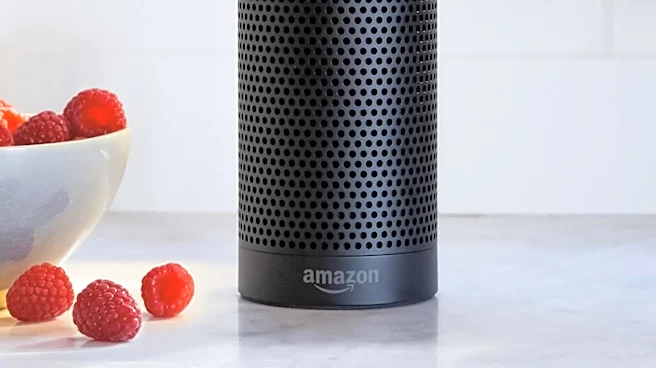
The adoption of smart home routines holds significant importance for U.S. households by enhancing daily efficiency and convenience. By automating repetitive tasks, these routines free up valuable time for individuals and families, contributing to an improved quality of life. The emphasis on practical, low-cost solutions means that smart home benefits are accessible to a broader demographic, not just those with fully connected homes. This trend can reduce mental load by eliminating the need to remember small tasks, such as turning off lights or checking shopping lists. For industries, it signifies a growing market for smart home devices and software that prioritize user-centric design and interoperability. The ability to integrate with existing platforms like Amazon Alexa, Google Home, and Apple Home also drives competition and innovation among technology providers, influencing consumer choices and product development in the smart home sector.
What's Next?
The future of smart home routines will likely involve more sophisticated integration and personalization. As technology advances, routines may become more adaptive, learning user habits and adjusting automatically without explicit programming. There will be a continued focus on interoperability, allowing devices from different manufacturers to work seamlessly together. The development of more robust security and privacy features will also be crucial as more personal data is managed through these systems. Furthermore, the market may see an increase in specialized apps and platforms designed to cater to specific household needs, such as advanced meal planning or energy management. The ongoing challenge will be to ensure that these routines remain user-friendly and genuinely helpful, avoiding unnecessary complexity or interruptions, and adapting to changing household dynamics and schedules.
Beyond the Headlines
Beyond the immediate convenience, the widespread adoption of smart home routines could subtly reshape daily life and household dynamics. The reliance on automation might lead to a decreased awareness of manual tasks, potentially impacting cognitive engagement with household responsibilities. Ethical considerations may arise regarding data collection and privacy, as smart systems gather information about daily habits and preferences. Culturally, these routines could foster a greater expectation for instant gratification and efficiency, influencing how individuals perceive and manage their time. There's also the potential for increased energy efficiency through optimized device usage, contributing to broader environmental goals. However, the need to maintain manual controls and ensure accessibility for all household members, including guests and those without smartphones, highlights the importance of balancing technological advancement with practical human needs and inclusivity.