






What's Happening?
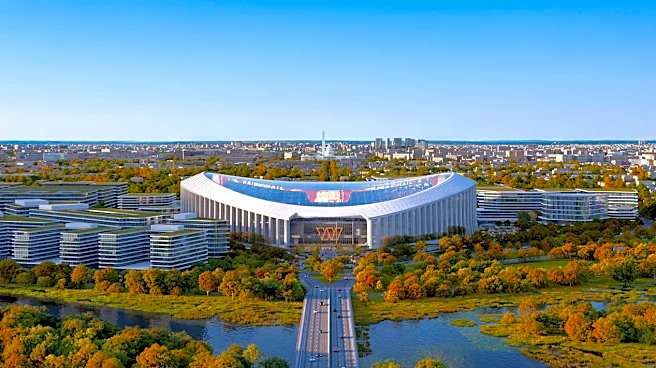
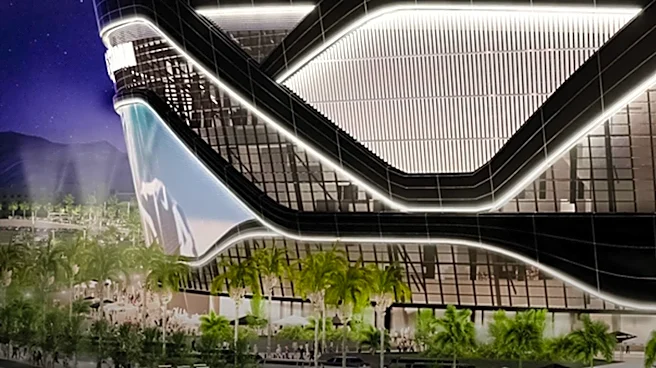
The Washington Commanders have released the first interior renderings of their planned $3.8 billion stadium, which is projected to open in 2030 on the former RFK Stadium site in Washington, D.C. The design, developed by HKS, features a continuous seating
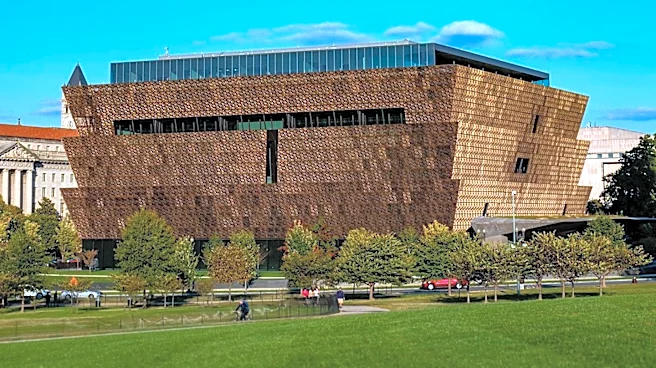
bowl, a roof engineered to amplify crowd noise, and wraparound video displays. The team stated that the design is intended as a modern homage to RFK Stadium, where the franchise played from 1961 to 1996. Key elements highlighted include increased lower-bowl capacity, a dedicated "Wall of Fans," and seating angles designed to create a more intimate and louder environment. However, the initial fan reaction to the renderings has been largely critical, with many describing the design as "boring and predictable" or "generic and trash," and drawing comparisons to the Buffalo Bills' stadium.
Why It's Important?
This stadium project is a significant undertaking for the Washington Commanders, representing a massive financial investment and a strategic move to bring the franchise back to Washington, D.C., after decades in Landover, Maryland. The successful development and fan acceptance of the new venue are crucial for the team's long-term financial viability, fan engagement, and overall brand image. A state-of-the-art stadium can generate substantial revenue through ticket sales, concessions, and corporate sponsorships, while also enhancing the fan experience and potentially attracting new supporters. The mixed initial reactions from fans, however, highlight the challenge of balancing modern design with historical reverence and meeting high expectations. Negative perceptions could impact early enthusiasm, season ticket sales, and the overall atmosphere once the stadium opens, potentially undermining the intended benefits of the move.
What's Next?
The Commanders still have several years to refine the stadium's design before its projected opening in 2030. The team will likely monitor public feedback closely and may consider adjustments to address fan concerns, although major structural changes are less probable at this stage. The focus will shift to the detailed architectural and engineering phases, securing necessary permits, and commencing construction. The team will also need to continue engaging with the D.C. community and local government to ensure a smooth transition and build positive relationships. On the field, the team's performance remains a more immediate concern, as highlighted by their recent loss, which will influence fan sentiment and the overall excitement surrounding the franchise leading up to the stadium's completion.
Beyond the Headlines
The unveiling of the Commanders' new stadium renderings goes beyond mere architectural design; it touches upon the deep emotional connection fans have with their team and its home. The criticism, particularly the comparisons to other stadiums and the perception of a lack of distinctiveness, suggests that fans are looking for more than just a functional venue—they desire a unique identity and a sense of place that reflects the team's history and the city's culture. This situation underscores the broader trend in professional sports where new stadiums are expected to be iconic landmarks and immersive experiences, not just places to watch a game. The challenge for the Commanders will be to not only build a physically impressive structure but also to cultivate a sense of pride and belonging among its fanbase, ensuring the new home truly feels like Washington's own.