


What's Happening?
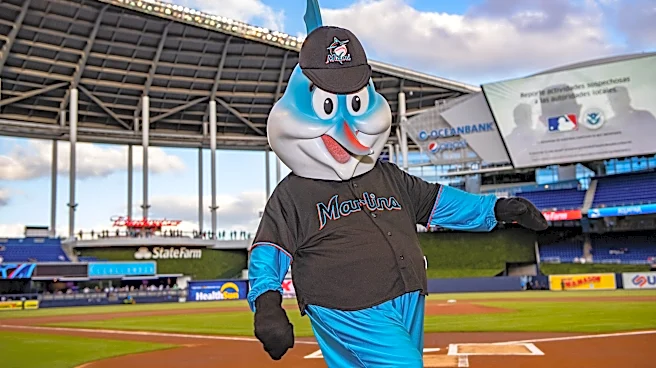
The Miami Marlins, in collaboration with the Players Alliance, have donated over $62,000 worth of baseball equipment to Booker T. Washington and Miami Senior High Schools. This initiative, which began with a promise made at the annual Jackie Robinson
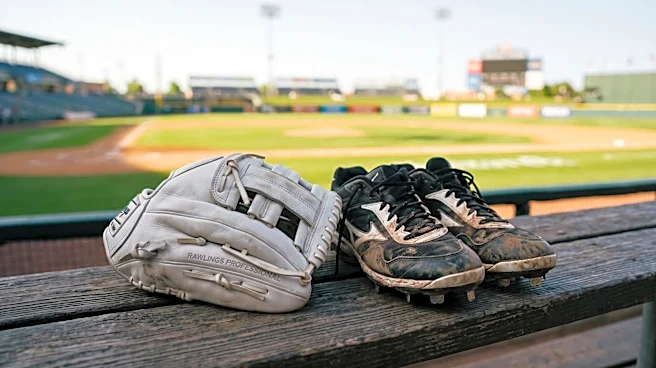
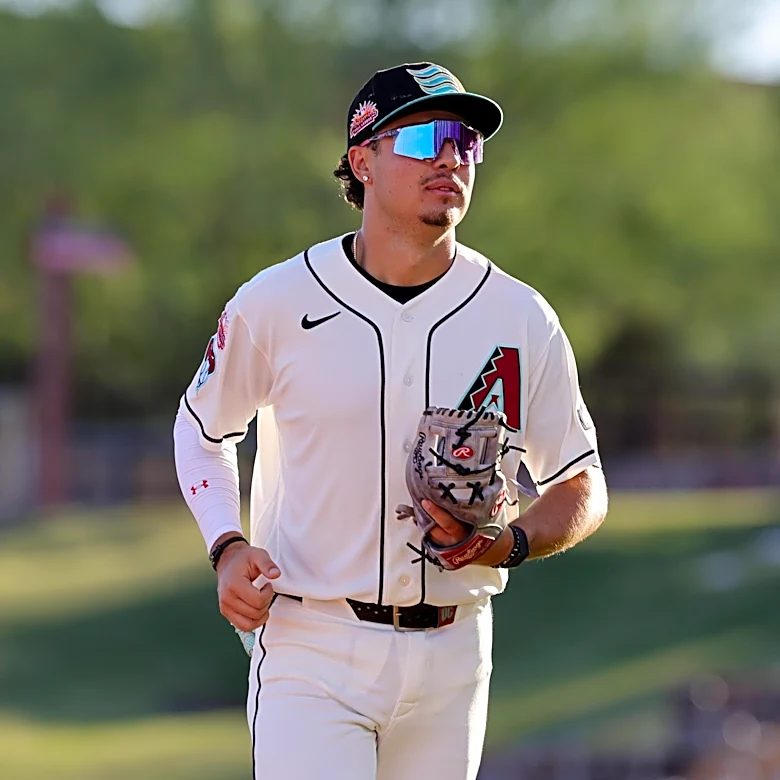
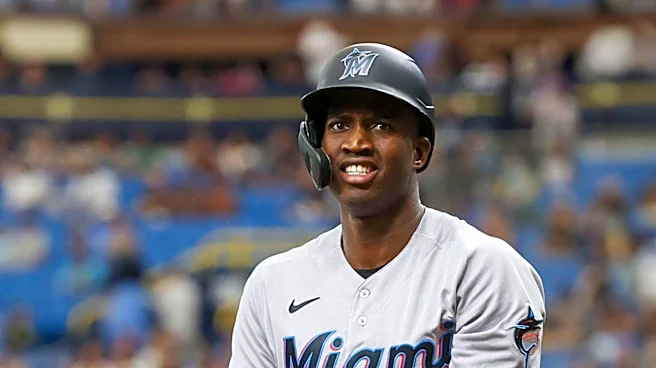
Classic, culminated in a special presentation where 35 student-athletes received a wide array of gear. The donation includes 50 Rutto wood bats, 15 BBCOR bats, 21 fielding gloves, 25 New Balance turf shoes, 25 DeMarini bat bags, 45 batting gloves and sliding mitts, 12 dozen practice baseballs, six batting helmets, a hitting tunnel, a Yeti 2 pitching machine, a pitcher screen, an adult catcher’s set, two equipment bags, two Bownet hitting nets, two hitting tees, two fungo bats, two six-pack buckets, five Rawlings bat weights, and two Rawlings pitch counters. Marlins second baseman Xavier Edwards, retired Marlin Lewis Brinson, and Minor Leaguer Ian Lewis were present at the event. Angela Smith, the Marlins’ senior director of community initiatives, expressed enthusiasm for the positive impact the donation will have on the schools' programs. Dr. K. Jamil Northcutt, executive director and CEO of the Players Alliance, emphasized the importance of sustained commitment beyond one-off events.
Why It's Important?
This donation is significant because it directly addresses a critical barrier for many aspiring student-athletes: the high cost of baseball equipment. By providing professional-grade gear, the Marlins and the Players Alliance are leveling the playing field, allowing students from underserved communities to participate and compete more effectively. Xavier Edwards, who benefited from similar assistance in his youth, highlighted that such donations provide a crucial 'steppingstone' and 'tool' for young players. This initiative also fosters a sense of confidence among student-athletes, as they will be using equipment comparable to what professionals use. Beyond the material contribution, the partnership has evolved to include a pregame mentorship program, where former players share their career paths with students, offering invaluable guidance and inspiration. This holistic approach supports not only athletic development but also personal growth and future aspirations, reinforcing the idea that success requires preparation, discipline, and consistency, not just equipment.
What's Next?
The ongoing partnership between the Marlins and the Players Alliance suggests a continued commitment to community engagement and youth development in South Florida. While the immediate impact is the provision of equipment, the long-term vision includes sustained mentorship and support for student-athletes. The success of this initiative may serve as a model for other professional sports organizations looking to make a tangible and lasting difference in their communities. Future efforts could involve expanding the program to more schools, increasing the frequency of mentorship sessions, or developing additional resources for academic and athletic advancement. The emphasis on 'commitment and follow-through' by Dr. Northcutt indicates a desire to build enduring relationships and create sustainable pathways for young athletes, rather than just one-time charitable acts. This could lead to more structured programs that track student progress and provide ongoing support.
Beyond the Headlines
This initiative transcends a simple equipment donation; it embodies a deeper commitment to social equity and opportunity within sports. The involvement of current and former players like Xavier Edwards, who personally benefited from similar support, creates a powerful narrative of giving back and breaking down barriers. It highlights the ethical responsibility of professional sports organizations to invest in the communities that support them, particularly in areas where economic disparities limit access to extracurricular activities. The mentorship component adds a crucial dimension, addressing not just material needs but also the need for guidance, role models, and belief in one's potential. This program could inspire a cultural shift within youth sports, emphasizing that talent development should not be hindered by socioeconomic status. It also underscores the power of collective action between a professional team and an alliance of players dedicated to community upliftment, setting a precedent for how sports can be a vehicle for broader social good.