









What's Happening?
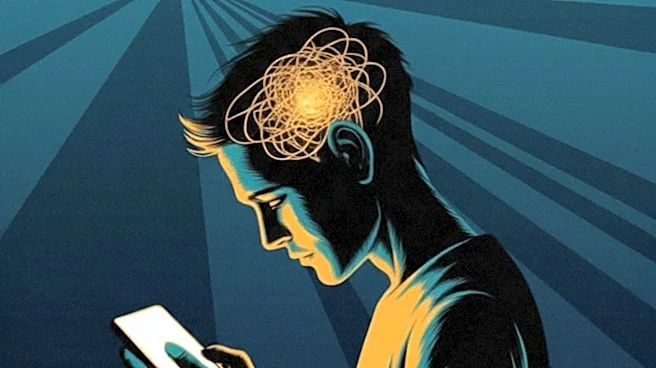
October 29 marked National Hermit Day, a holiday dedicated to celebrating solitude and encouraging individuals to disconnect from constant digital notifications. The observance is rooted in the historical commemoration of the 7th-century Irish hermit
Saint Colman Mac Duagh. However, its modern interpretation focuses less on isolation and more on the act of unplugging and recharging. Activities promoted for the day include reading, solo hikes, or simply relaxing at home in pajamas. The day also coincided with National Cat Day, suggesting that spending time with pets, particularly cats, aligns with the spirit of 'me time' and quiet reflection. This contemporary approach to National Hermit Day emphasizes mental well-being and a temporary retreat from the demands of an always-connected world.
Why It's Important?
In an increasingly digital and fast-paced society, the emphasis on National Hermit Day highlights a growing need for mental and emotional respite among U.S. citizens. The constant influx of notifications and information can contribute to stress and burnout, making opportunities for deliberate unplugging crucial for public health and productivity. This observance encourages individuals to prioritize self-care and mindfulness, which can lead to improved focus, reduced anxiety, and enhanced overall well-being. For industries reliant on constant connectivity, such as technology and social media, this trend towards digital detoxes could influence product design and marketing strategies, potentially leading to features that support user well-being and downtime. It also underscores a cultural shift where solitude is increasingly valued as a means of personal rejuvenation rather than mere isolation.
What's Next?
The growing recognition of days like National Hermit Day suggests a continued societal push towards balancing digital engagement with personal well-being. We may see more companies and organizations in the U.S. promoting digital detox initiatives or offering resources for mindfulness and stress reduction. Educational institutions might also integrate lessons on healthy technology use and the benefits of solitude. Furthermore, the retail and hospitality sectors could capitalize on this trend by offering products and experiences tailored to 'homebodies' or those seeking quiet retreats, such as specialized self-care packages, cozy home goods, or secluded travel destinations. The emphasis on unplugging could also spark further discussions about the impact of technology on mental health and the importance of setting boundaries in a hyper-connected world.
Beyond the Headlines
The modern interpretation of National Hermit Day reflects a deeper cultural re-evaluation of solitude and its role in personal development. Historically, hermitage was often associated with religious or philosophical pursuits, but today it's being reframed as a secular practice for mental health and self-preservation. This shift challenges the societal pressure to be constantly productive and socially engaged, advocating for the value of introspection and quiet contemplation. It also raises ethical questions about the design of digital platforms and their potential to foster addiction or constant distraction. Embracing 'hermitage' in this contemporary sense could lead to a broader societal acceptance of introverted tendencies and a greater appreciation for personal boundaries, ultimately fostering a more balanced and mindful approach to daily life in the U.S.