




What's Happening?
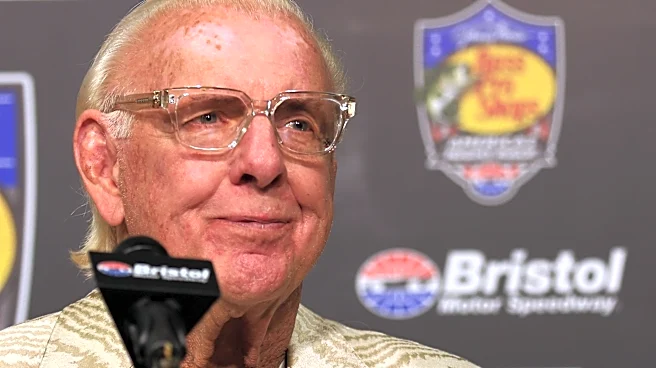
WWE Hall of Famer Ric Flair recently discussed the current management structure of WWE following its merger into TKO Group Holdings. In an interview with Biff Poggi on NewsNation, Flair stated his belief that Nick Khan holds significant influence within
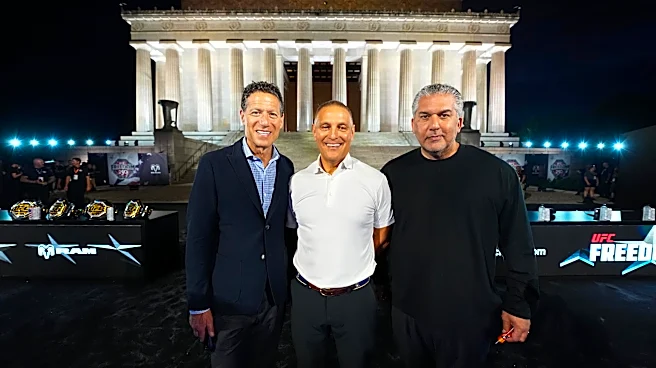
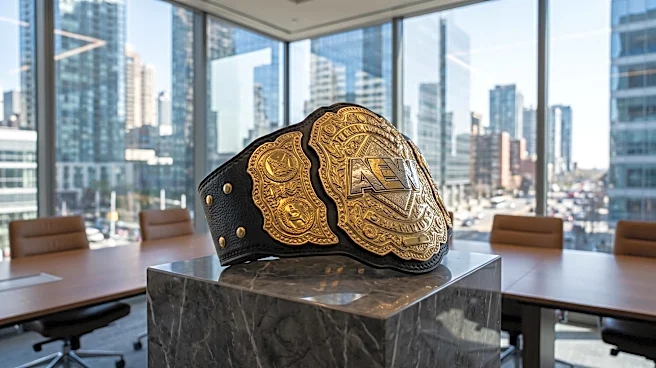
the organization, remarking, 'I think Nick Khan is pretty much the boss over there.' However, Flair also admitted uncertainty regarding the precise extent of Khan's power, noting that 'Hunter is the booker now, or the head of creative they call it.' Flair's comments came as he praised AEW President Tony Khan for his generosity and continued financial support, despite Flair's limited involvement with AEW. He also expressed concern over the number of employee departures from WWE, which he believes has created uncertainty among remaining staff.
Why It's Important?
Ric Flair's observations offer a glimpse into the perceived power dynamics within WWE, a major player in the U.S. entertainment and sports industries. His assertion that Nick Khan is 'pretty much the boss' highlights Khan's critical role in the company's strategic direction and operations, especially after the TKO Group Holdings merger. The distinction between Khan's overall influence and 'Hunter' (presumably Paul Levesque, also known as Triple H) as the head of creative suggests a division of responsibilities at the top. This insight is crucial for understanding how decisions are made in a multi-billion dollar enterprise that impacts a global fanbase and numerous employees. The ongoing changes in WWE's corporate structure and leadership roles could influence talent relations, creative content, and overall business strategy, affecting both its market position and its competitors like AEW.
What's Next?
The evolving leadership structure within WWE, as highlighted by Ric Flair, suggests a period of continued adaptation following the TKO Group Holdings merger. Future developments will likely involve further clarification of roles and responsibilities among key figures like Nick Khan and Paul Levesque. Stakeholders, including investors, talent, and fans, will be watching to see how these leadership dynamics translate into business decisions, creative direction, and talent management. The competitive landscape with AEW, led by Tony Khan, will also continue to be a factor, as both organizations vie for market share and audience engagement. Any shifts in WWE's operational approach under its current leadership could have ripple effects across the professional wrestling industry, influencing talent contracts, broadcast deals, and event scheduling.
Beyond the Headlines
Ric Flair's comments extend beyond mere organizational charts, touching upon the broader cultural and ethical considerations within professional wrestling. His concern over the 'fired so many people' from WWE, including individuals integral to his own career, points to potential issues of corporate loyalty and employee welfare in a highly competitive industry. This raises questions about the human cost of corporate mergers and restructuring, and how such changes impact long-standing relationships and institutional knowledge. Furthermore, Flair's praise for Tony Khan's generosity, contrasting with his implied concerns about WWE's personnel decisions, could subtly influence public perception of both companies. This narrative underscores the importance of leadership styles and their impact on company culture and talent retention, which are critical for the long-term health and public image of any major entertainment entity.