








What's Happening?
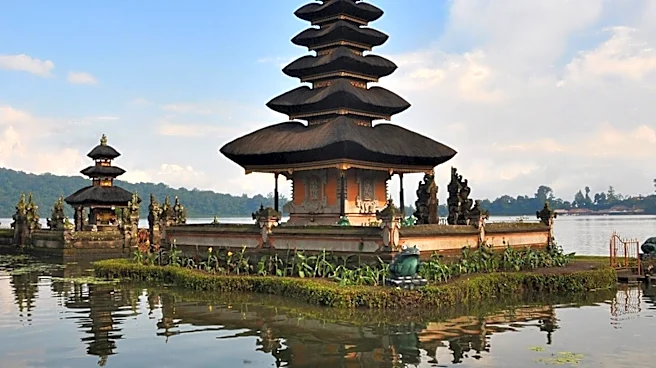
Bali, Indonesia, is recognized for its natural beauty, rich traditions, and welcoming hospitality. Key attractions include the Tanah Lot and Uluwatu temples, the terraced rice fields of Tegallalang, and the cultural hub of Ubud. The island's culinary
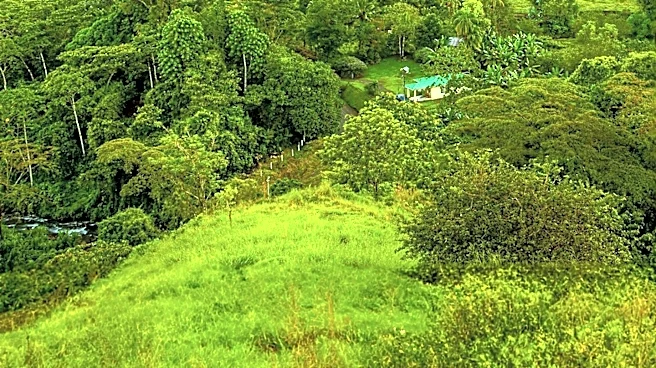
scene features a distinct blend of spices and flavors, with dishes such as babi guling and ayam betutu. For an optimal travel experience, visitors are advised to balance sightseeing with relaxation, cultural immersion, and local dining. The period from April to October is considered the best time to visit, with flights to Denpasar typically lasting about one hour and 15 minutes. To avoid crowded areas, exploring the quieter beaches and heritage sites in East Bali is recommended. The island offers a mix of bustling southern resorts and tranquil northern highlands with coffee plantations and traditional villages.
Why It's Important?
The continued appeal of Bali as a global travel destination highlights the economic significance of tourism for regions rich in natural beauty and cultural heritage. For the U.S. travel industry, Bali represents a popular international destination that influences travel trends and package offerings. The emphasis on balancing popular attractions with quieter, less-traveled areas reflects a growing demand for authentic and less commercialized travel experiences, which can impact how travel agencies and tour operators market destinations. The focus on local cuisine and cultural sites also underscores the importance of preserving and promoting indigenous traditions, contributing to sustainable tourism practices that benefit local economies and communities. This trend can also inform the development of similar tourism strategies in other culturally rich destinations, including those within the U.S. that seek to attract international visitors.
What's Next?
Travelers planning a trip to Bali are encouraged to consider a balanced itinerary that includes both popular sites and less-frequented areas. This approach can help distribute tourist traffic and support a wider range of local businesses. Future travel planning will likely continue to emphasize the dry season (April to October) for optimal weather conditions. The recommendation to split stays between different regions, such as Ubud and the southern coast, followed by the quieter highlands, suggests a trend towards more immersive and varied travel experiences. This strategy allows visitors to experience the island's diverse offerings, from cultural richness to natural landscapes, while potentially mitigating the impact of over-tourism in specific hotspots. The focus on local culinary experiences will also likely continue to be a significant draw, prompting further development of food tourism initiatives.
Beyond the Headlines
The advice to explore Bali beyond its bustling southern resorts and to seek out quieter natural wonders points to a broader shift in global tourism towards more sustainable and responsible travel. This trend encourages visitors to engage more deeply with local cultures and environments, moving away from mass tourism models that can strain resources and dilute authentic experiences. The emphasis on packing appropriate attire for temple visits and cooler highland evenings also highlights the importance of cultural respect and preparedness, fostering a more mindful approach to international travel. This evolving traveler mindset could influence the development of tourism policies and infrastructure in other popular destinations, including those in the U.S., promoting a more equitable distribution of tourism benefits and minimizing negative environmental and social impacts.