


What's Happening?
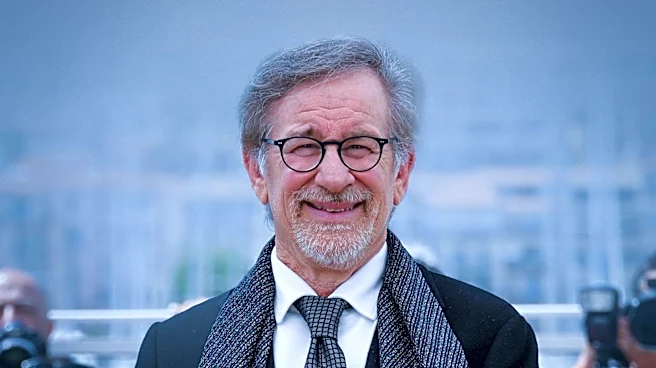
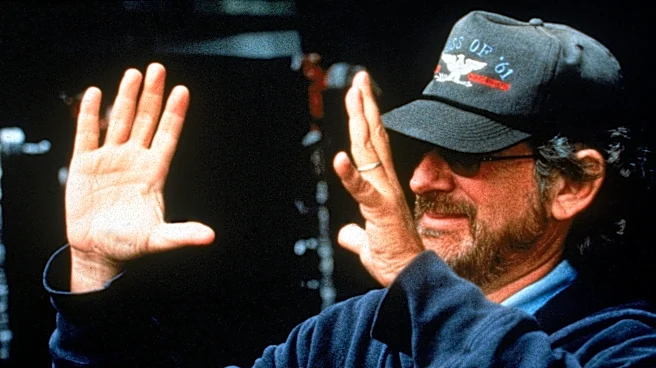
Legendary director Steven Spielberg recently declined to name his four favorite films when asked by Letterboxd, a social media app for film enthusiasts. During an interview at the MoMA Film Benefit, Spielberg stated, 'I don't have four favorite films,'
explaining that he could never answer such a question. He elaborated that he has many friends who have made movies, and selecting only four would mean omitting others, which he is unwilling to do. This response left many Letterboxd users and fans underwhelmed, as they had hoped for specific recommendations from the acclaimed filmmaker. Spielberg's career boasts 222 award wins from 360 nominations, including multiple Academy Awards for Best Director and Best Picture for films like 'Schindler's List' and 'Saving Private Ryan,' making his opinion highly valued within the film community.
Why It's Important?
Steven Spielberg's refusal to list his favorite films highlights the delicate balance professionals in the entertainment industry must maintain regarding personal opinions and professional relationships. His explanation underscores the tight-knit nature of Hollywood, where public endorsements or omissions can have significant social and professional repercussions. For aspiring filmmakers and film enthusiasts, Spielberg's decision might be disappointing, as his choices could offer valuable insights or introduce them to new cinematic works. However, it also demonstrates a pragmatic approach to navigating an industry where collegiality and mutual respect are crucial. His stance reflects a broader understanding that public figures, especially those with significant influence, often have to weigh their personal preferences against potential professional fallout, emphasizing the importance of diplomacy in their public interactions. This incident also subtly reinforces the idea that artistic appreciation can be deeply personal and complex, extending beyond simple rankings.
What's Next?
Spielberg's diplomatic response is unlikely to have any significant direct consequences for his career or the film industry. However, it may influence how other prominent figures approach similar questions in public forums, potentially leading to more guarded or generalized answers to avoid perceived favoritism. For Letterboxd and similar platforms, this interaction might prompt a re-evaluation of how they frame questions to industry veterans, perhaps seeking broader insights into filmmaking or influences rather than specific rankings. Fans will likely continue to speculate about Spielberg's true favorite films, drawing from past interviews where he has occasionally mentioned films like 'Lawrence of Arabia.' The incident serves as a minor but interesting case study in celebrity media engagement and the complexities of public persona management within the arts.
Beyond the Headlines
Beyond the immediate disappointment of fans, Spielberg's refusal to name his favorite films touches upon deeper aspects of artistic judgment and the nature of influence. It suggests that for a filmmaker of his stature, the act of ranking films might feel reductive or even disrespectful to the vast body of work created by peers and predecessors. His emphasis on not wanting to slight friends highlights the communal aspect of filmmaking, where personal connections often intertwine with professional endeavors. This stance also subtly critiques the modern culture of list-making and definitive rankings, suggesting that true appreciation for art is more nuanced and less about competitive comparison. It reinforces the idea that a director's influences are often a complex tapestry rather than a simple top-four list, reflecting a lifetime of cinematic engagement and personal relationships within the industry.