





What's Happening?
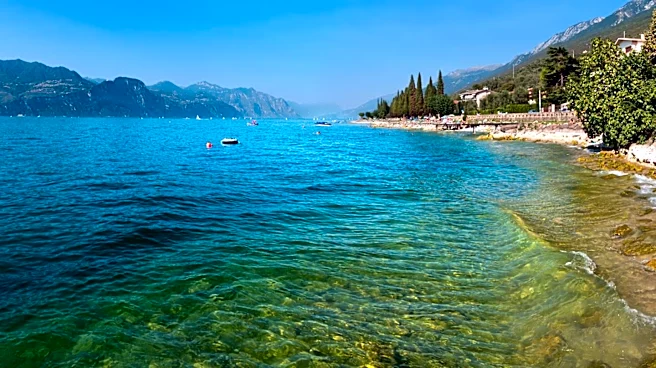
Ten U.S. lake beaches are highlighted as ideal destinations for summer and early fall getaways, offering experiences akin to ocean vacations without requiring airfare or saltwater. These freshwater locations provide sand, swimming opportunities, and scenic
views, making them suitable for road trips and camping stays. Examples include Sand Harbor at Lake Tahoe, Nevada, known for its clear water and mountain scenery; Sleeping Bear Dunes National Lakeshore, Michigan, featuring vast dunes and Lake Michigan waves; and Lake George Beach, New York, offering a classic Adirondack family vacation experience. Other notable mentions are West Beach at Indiana Dunes National Park, Presque Isle State Park in Pennsylvania, Park Point Beach in Minnesota, Lake McConaughy in Nebraska, North Beach at Lake Champlain in Vermont, Lake Ouachita State Park in Arkansas, and Lake Chelan State Park in Washington. Each location boasts unique characteristics, from white sand and beach camping to proximity to urban centers or mountain backdrops. Visitors are advised to check local conditions, including water quality, lifeguard availability, and reservation requirements, as large lakes can present hazards such as rip currents and sudden weather changes.
Why It's Important?
This trend of promoting U.S. lake beaches as alternatives to traditional ocean getaways is significant for the domestic tourism industry and local economies. By offering accessible and often more budget-friendly options, these destinations can attract a broader range of travelers, including families and individuals seeking to minimize travel costs and environmental impact. The emphasis on road trips and camping supports local businesses in surrounding towns, from gas stations and restaurants to small shops and accommodation providers. Furthermore, highlighting the unique natural beauty and recreational opportunities of these freshwater bodies can foster greater appreciation for diverse U.S. landscapes and encourage responsible tourism practices. For many Americans, these lake beaches provide a convenient escape, reducing the need for long-distance travel and offering a refreshing alternative to crowded coastal areas, thereby distributing tourist traffic and economic benefits more widely across different regions of the country.
What's Next?
As awareness of these lake beach destinations grows, it is anticipated that more travelers will consider them for their vacation plans, especially given ongoing economic considerations and a desire for domestic travel. Local tourism boards and state parks are likely to increase their marketing efforts to capitalize on this trend, potentially leading to enhanced infrastructure and services at these sites. This could include improvements in camping facilities, increased lifeguard presence, and better signage regarding water safety. There may also be a rise in demand for rental equipment for water sports like kayaking and paddleboarding. Additionally, as these locations gain popularity, there could be a focus on sustainable tourism initiatives to manage increased visitor numbers and preserve the natural environment. Travelers planning to visit should continue to monitor official park notices and local weather forecasts, as conditions can change rapidly, particularly in large lake environments.
Beyond the Headlines
The growing popularity of U.S. lake beaches reflects a broader shift in travel preferences, emphasizing accessibility, affordability, and a connection with nature. This trend also underscores the diverse geographical offerings within the United States, challenging the conventional notion that a 'beach vacation' must involve an ocean. Ethically, promoting these freshwater destinations can encourage a deeper understanding and stewardship of inland water bodies, which are vital ecosystems often overlooked in favor of coastal areas. Culturally, these lake beaches often represent a different kind of American leisure, one rooted in regional traditions and local communities, distinct from the more commercialized oceanfront resorts. The long-term implications could include increased investment in freshwater conservation and recreational infrastructure, potentially leading to a more balanced and sustainable approach to tourism development across the country. This shift could also influence urban planning in lakeside communities, fostering growth that integrates natural preservation with economic development.