





What's Happening?
The U.S. Treasury has refunded approximately $100 billion of tariff revenue following a Supreme Court ruling that deemed President Trump's 'Liberation Day' tariffs unconstitutional. The refunds, which account for 60% of the $165 billion collected, are
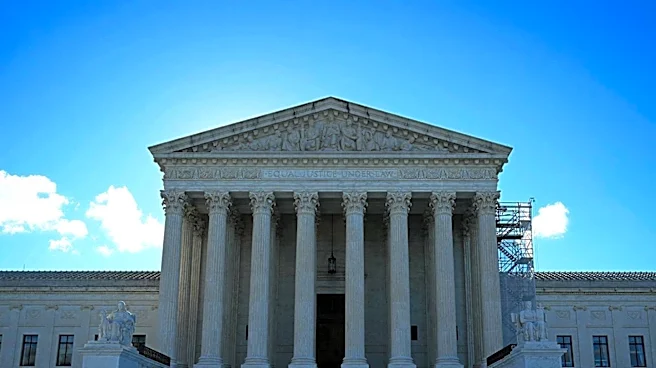
being returned to corporate importers rather than consumers who bore the cost through higher prices. The Supreme Court's decision in February 2026 found that the tariffs, imposed under the International Emergency Economic Powers Act, were an overreach of executive power. As a result, the Treasury and Customs and Border Protection have been processing refunds to businesses, with major companies like Costco and FedEx among the recipients. Despite the refunds, consumers who paid an estimated $231 billion in tariff costs have not received compensation.
Why It's Important?
The refund process highlights a significant gap between corporate and consumer benefits in tariff policies. While businesses are receiving substantial refunds, consumers who faced increased prices due to tariffs are left uncompensated. This situation underscores the broader economic impact of tariff policies, which can increase the fiscal deficit and act as a fiscal stimulus without directly benefiting consumers. The decision also raises questions about the use of executive power in imposing tariffs and the role of the judiciary in checking such powers. The ongoing refund process, which includes interest payments, further burdens taxpayers, emphasizing the need for careful consideration of tariff policies and their implications on different economic stakeholders.
What's Next?
The refund process is expected to continue, with the remaining 40% of the tariff revenue yet to be returned. The Court of International Trade is overseeing the process, with Judge Richard Eaton emphasizing the financial burden of delays due to accruing interest. The administration is maintaining tariff collections through alternative legal authorities, and it remains to be seen if any changes will be made to ensure consumer compensation. The situation may prompt further legal and political discussions on tariff policies and their economic impact.