








What's Happening?
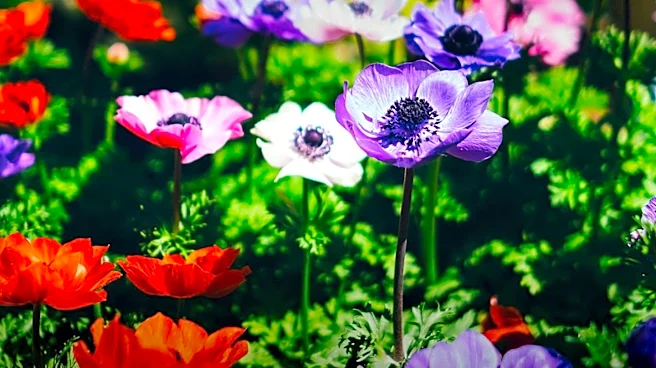
The anemone, a perennial free-flowering plant characterized by its pink and white blossoms, is a highly sought-after herbaceous flower for autumn gardens. It boasts a long history of cultivation in China, where it is known as Pai Tou Weng, meaning 'White-haired
Old Man.' Historically, the plant was utilized in traditional medicine to treat various ailments, including rheumatic pain and dysentery. While commonly referred to as the Japanese anemone (Anemone japonica), many of the varieties now gracing Western gardens are European hybrids that evolved from Chinese species. European naturalists first documented the plant in Japan during the eighteenth century, leading to its misattribution as Japanese in origin, despite its true roots in China. The plant's charm is evident in its single, soft pink flowers, which are approximately two and a half inches across, and its robust nature. A specific wild form, initially named Anemone hupehensis from the Chinese province of Hupeh, is now generally considered a variant of A. japonica, prized for its species-like appearance and substantial flowers. Another notable variety is the old white form, previously known as Honorine Joubert, which is valued for its ability to naturalize in shaded borders and provide nearly three months of display with its well-formed, pure-white flowers and golden centers.
Why It's Important?
The widespread adoption of the anemone in Western gardens highlights a significant trend in horticulture: the global exchange and adaptation of plant species. This phenomenon enriches biodiversity in cultivated landscapes and introduces new aesthetic and practical elements to gardening practices. The historical use of the anemone in Chinese medicine underscores the plant's cultural and medicinal significance, offering insights into traditional healing practices and the potential for botanical research. The journey of the anemone from its Chinese origins, through its misidentification as Japanese, to its current status as a popular garden plant in the West, illustrates the complex history of botanical exploration and nomenclature. This narrative also reflects how plants can transcend geographical and cultural boundaries, becoming integral parts of diverse ecosystems and human societies. The plant's adaptability and aesthetic appeal have made it a valuable addition to autumn gardens, extending the flowering season and providing visual interest when many other plants have faded. Its ease of cultivation and ability to naturalize also contribute to sustainable gardening practices, reducing the need for constant replanting and maintenance.
What's Next?
The continued popularity of the anemone suggests ongoing cultivation and potential for further hybridization to develop new varieties with enhanced characteristics, such as disease resistance, extended blooming periods, or novel color combinations. Horticulturalists and plant breeders may focus on preserving the genetic diversity of wild forms, like Anemone hupehensis, to ensure the long-term viability and resilience of the species. Research into the medicinal properties historically attributed to the anemone in Chinese medicine could lead to new discoveries in pharmacology, potentially identifying compounds with therapeutic benefits. Educational initiatives could also be developed to inform gardeners about the true origins and rich history of the anemone, fostering a deeper appreciation for its cultural and botanical significance. As climate patterns shift, there may be increased interest in developing anemone varieties that are more tolerant to varying environmental conditions, ensuring its continued presence in gardens across different regions. Furthermore, the plant's role in supporting local ecosystems, such as providing nectar for pollinators, could be further explored and promoted in ecological gardening practices.
Beyond the Headlines
The story of the anemone transcends mere horticulture, offering a lens through which to examine broader themes of cultural exchange, scientific discovery, and the evolution of human interaction with the natural world. The initial misattribution of the anemone's origin to Japan, despite its Chinese roots, highlights the historical biases and limitations in early botanical exploration and classification. This serves as a reminder of the importance of rigorous scientific inquiry and the continuous re-evaluation of established knowledge. The plant's transition from a medicinal herb to a decorative garden staple reflects changing societal values and priorities, from utilitarian applications to aesthetic appreciation. This shift also underscores the dynamic relationship between humans and plants, where species are valued for different attributes across cultures and time periods. The anemone's enduring appeal speaks to its inherent beauty and resilience, qualities that resonate with gardeners and botanists alike. Its presence in diverse gardens worldwide symbolizes the interconnectedness of global ecosystems and the shared human desire to cultivate and appreciate natural beauty. The plant's journey also subtly touches upon themes of globalization, as species are transported and integrated into new environments, sometimes with unintended consequences or benefits for local flora and fauna.