



What's Happening?
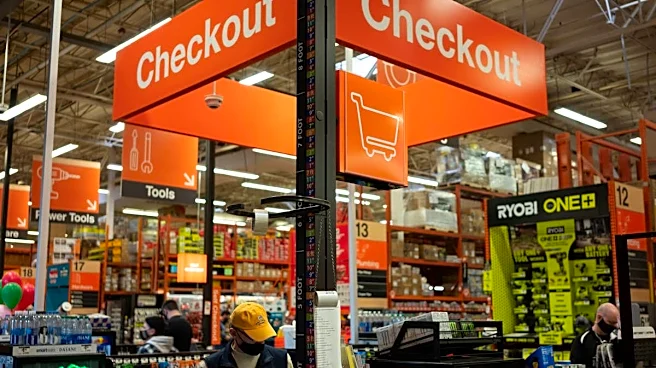
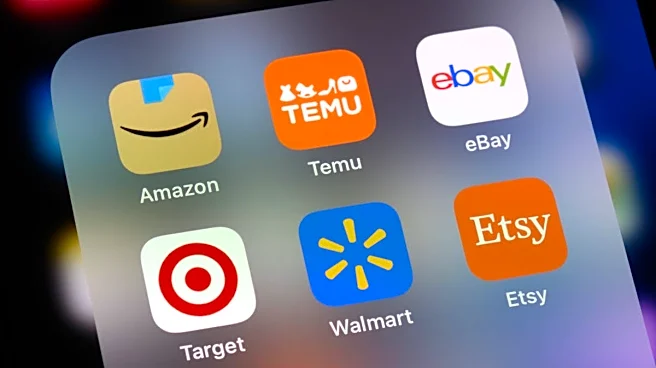
Indonesian consumers are increasingly combining online and physical shopping experiences, with a 2024 survey by MarkPlus, Inc. revealing that 58.74% of consumers engage in this hybrid approach. This trend is prompting Indonesian retailers to integrate
their physical stores with digital sales channels. Iqbal Shoffan Shofwan, director general of domestic trade at Indonesia’s Ministry of Trade, noted that this behavior reflects a flexible and adaptive shopping pattern rather than consumer conflict. Approximately 31.50% of consumers research products online before purchasing in stores, while 27.24% examine products in stores before buying online. Retailers are encouraged to facilitate activities such as product trials, in-store advice, online stock checks, and digital order collection in physical stores. Challenges remain for retailers outside major cities, including weaker internet connectivity, higher delivery costs, and difficulties in coordinating stock across various sales channels. The adoption of artificial intelligence also varies, with larger retailers having more data and investment capacity, while smaller businesses are still improving their sales and inventory records.
Why It's Important?
This shift in consumer behavior highlights a critical evolution in the retail landscape, emphasizing the necessity for a seamless omnichannel experience. For U.S. businesses operating internationally or considering expansion into markets like Indonesia, understanding this integrated shopping pattern is crucial for developing effective market entry and growth strategies. The challenges faced by Indonesian retailers, particularly smaller enterprises regarding internet connectivity, delivery logistics, and AI adoption, offer valuable insights into potential hurdles in emerging markets. The Indonesian Ministry of Trade's efforts to facilitate distribution partnerships and clarify e-commerce regulations demonstrate a proactive approach to supporting businesses in adapting to these changes. This regulatory environment, which allows trading businesses to operate online or offline without separate e-commerce licenses, could serve as a model or point of comparison for other nations grappling with similar retail transformations, influencing policy discussions on digital commerce and small business support.
What's Next?
The Indonesian Ministry of Trade is actively encouraging smaller retailers to utilize digital channels alongside their existing businesses, rather than investing in expensive standalone systems. They are also facilitating distribution partnerships to help these businesses expand their market access. Recent regulatory changes, including revised 2025 business classification rules, permit trading businesses to operate online or offline without a separate e-commerce license. Further clarifications on rules covering marketplaces, social commerce, and online retail have been issued, and restrictions confining retail businesses to physical stores have been removed. These measures are expected to continue supporting the integration of online and offline retail. The ministry also plans to assist smaller businesses in seeking overseas buyers through export-standard assistance, cross-border online sales, and introductions to international partners, indicating a future focus on global market access for local enterprises.
Beyond the Headlines
The blurring lines between online and physical shopping in Indonesia signify a broader global trend towards integrated retail experiences, driven by evolving consumer expectations and technological advancements. This phenomenon challenges traditional retail models and necessitates a re-evaluation of business strategies, supply chain management, and customer engagement. The varying rates of AI adoption between large and small retailers underscore the digital divide that can impact competitive parity and market access. Ethical considerations arise regarding data privacy and security as more consumer data is collected across integrated channels. Culturally, this shift reflects a growing digital literacy and comfort with technology among consumers, which could influence other sectors beyond retail. The government's role in providing regulatory clarity and support for small and medium enterprises (SMEs) is crucial in ensuring equitable participation in the evolving digital economy, potentially setting precedents for how governments worldwide can foster inclusive growth in the face of rapid technological change.