






What's Happening?
Maintaining a healthy gut microbiome is essential for overall well-being, influencing nutrient absorption, immune function, and psychological health. Experts emphasize that simple, sustainable dietary and lifestyle choices can significantly improve gut health without
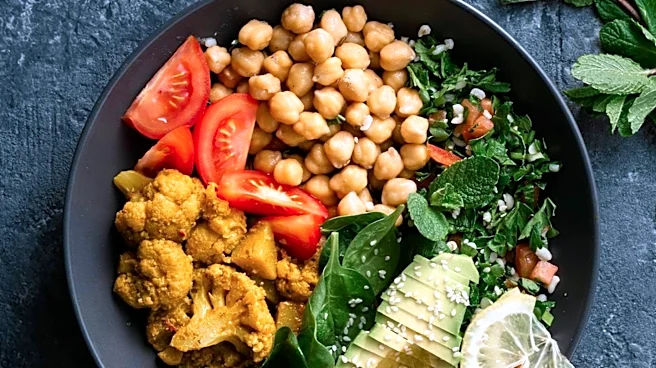
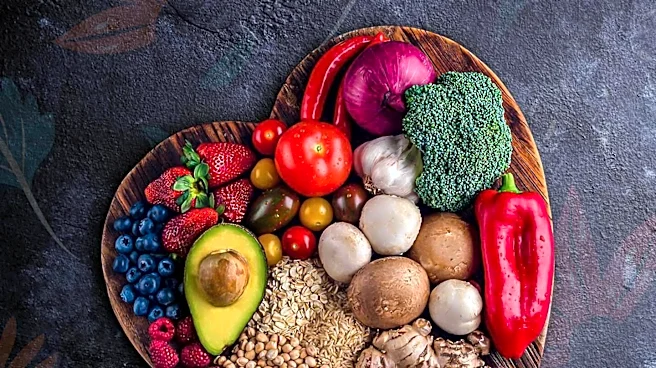
requiring complex diet plans or expensive supplements. The gut microbiome, composed of trillions of bacteria, fungi, and other microorganisms, plays a vital role in digestion, nutrient generation, and protection against pathogens. An imbalance in this microbial environment can lead to issues such as gas, bloating, fatigue, and compromised immune responses. To support a diverse and healthy gut, sources recommend consuming a wide variety of plant-based foods, including fruits, vegetables, whole grains, beans, and legumes, which provide essential dietary fiber. Fermented foods like yogurt, kefir, sauerkraut, kimchi, and miso are also highlighted for introducing beneficial bacteria. Beyond diet, lifestyle factors such as adequate hydration, regular exercise, sufficient sleep (7-9 hours per night), and stress management are critical for maintaining a balanced gut microbiome and optimal digestive function.
Why It's Important?
The health of the gut microbiome has far-reaching implications for various bodily systems, extending beyond digestion to impact immune response, mental health, and even chronic disease prevention. A healthy gut is linked to a reduced risk of inflammatory bowel disease, colorectal cancer, and other conditions. Gastroenterologists note that a healthier gut can contribute to easier weight management, fewer psychiatric disorders, improved mood, and a lower risk of heart disease. The emphasis on affordable and accessible methods, such as incorporating fiber-rich foods like beans and frozen vegetables, makes gut health improvements attainable for a broader population. The recommendation to consume a diverse range of plant foods weekly, with research suggesting benefits for those eating over thirty plant-based foods, underscores the importance of dietary variety. This approach empowers individuals to make informed choices that support their long-term health without relying on costly interventions, promoting a proactive and sustainable model for wellness.
What's Next?
Individuals are encouraged to gradually integrate these recommendations into their daily routines. Starting with a food diary to track current eating patterns and then slowly introducing more fermented foods, high-fiber produce, and diverse protein options can help build a personalized, gut-friendly meal plan. Planning weekly shopping around seasonal produce and whole grains, and engaging in batch cooking, can make healthy eating more affordable and convenient. Continued focus on hydration, mindful eating practices, and stress reduction techniques like regular exercise and sufficient rest will further support gut health. The long-term goal is to foster a consistent approach to diet and lifestyle, allowing for flexibility while maintaining fundamental routines. Tracking overall well-being rather than adhering to rigid rules will enable individuals to adapt their approach as their tastes evolve and their gut microbiome improves over time, leading to sustained digestive wellness.
Beyond the Headlines
The focus on gut health extends beyond immediate physical comfort, touching upon the intricate connection between the gut and the brain, often referred to as the gut-brain axis. Chronic stress, for instance, can disrupt this connection, leading to bacterial imbalances and inflammatory responses that affect both digestive and mental health. This highlights the holistic nature of gut health, where emotional and psychological well-being are intertwined with physiological processes. The accessibility of many gut-healthy foods, such as inexpensive beans, frozen vegetables, and fermented products, challenges the notion that healthy eating must be expensive. This democratizes access to improved health outcomes, potentially reducing health disparities related to diet. Furthermore, the emphasis on natural, whole foods and lifestyle changes promotes a preventative healthcare model, shifting focus from treating symptoms to fostering long-term resilience and overall vitality through daily choices.