



What's Happening?
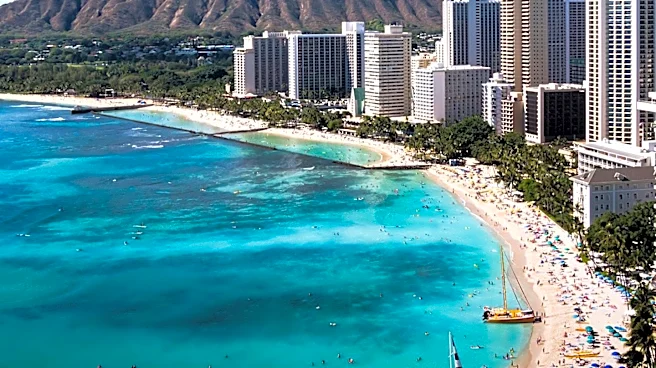
Oahu, Hawaii, presents a wide array of activities for visitors beyond its well-known Waikiki Beach. Tourists can engage in various experiences, including playing golf at numerous courses such as Ko Olina Golf Club and Hawaii Prince Golf Club, which cater
to different preferences from resort to mountain scenery. For those interested in water sports, Waikiki is highlighted as a prime location for learning to surf, with lessons readily available for beginners. The island also encourages exploration through car rentals, allowing visitors to discover areas like Diamond Head, Hanauma Bay, and the North Shore. A significant historical attraction is Pearl Harbor National Memorial, which offers insights into the December 7, 1941 attack and America's entry into World War II, with the USS Arizona Memorial being a central point of interest. Additionally, visitors with sufficient time can consider day trips or overnight stays on other Hawaiian islands like Maui, Kauai, or the Big Island to experience different landscapes and activities.
Why It's Important?
The diverse tourism offerings on Oahu are crucial for the local economy, supporting numerous businesses and employment opportunities in the hospitality, recreation, and transportation sectors. By promoting a variety of activities, from golf and surfing to historical tours and island exploration, Oahu attracts a broader range of tourists, potentially increasing visitor numbers and extending their stays. This diversification helps to mitigate reliance on a single attraction, making the tourism industry more resilient. The emphasis on historical sites like Pearl Harbor also plays a vital role in educating visitors about significant U.S. history, fostering a deeper appreciation for the island's past. Furthermore, encouraging exploration beyond Waikiki helps distribute tourist traffic and economic benefits to other parts of the island, supporting local communities and small businesses. The option to visit other islands also promotes inter-island travel, benefiting the broader Hawaiian tourism ecosystem.
What's Next?
As Oahu continues to promote its diverse attractions, the tourism industry will likely focus on enhancing visitor experiences and accessibility. This could involve further development of golf packages, surf schools, and guided tours to historical sites. Efforts may also be directed towards improving infrastructure for car rentals and inter-island travel to facilitate easier exploration. Marketing campaigns will likely highlight the variety of activities available, encouraging tourists to plan longer stays and engage with multiple facets of the island's culture and history. Local businesses, including golf courses, tour operators, and rental services, will continue to adapt their offerings to meet evolving tourist demands. There may also be ongoing initiatives to manage tourist impact on natural and historical sites, ensuring sustainable tourism practices for the long term.
Beyond the Headlines
The promotion of Oahu's diverse attractions reflects a broader trend in tourism towards experiential travel, where visitors seek authentic and varied engagements rather than just relaxation. This approach can foster a deeper connection between tourists and the destination, encouraging cultural exchange and a greater understanding of local heritage. The emphasis on historical sites like Pearl Harbor serves not only as a tourist draw but also as a powerful educational tool, preserving memory and promoting reflection on significant global events. Environmentally, managing the influx of tourists across various sites, from beaches to golf courses, presents ongoing challenges for conservation and sustainable development. Balancing economic benefits with ecological preservation and cultural respect is a continuous effort, requiring collaboration between tourism stakeholders, local communities, and government agencies to ensure that Oahu's natural beauty and historical integrity are maintained for future generations.