









What's Happening?
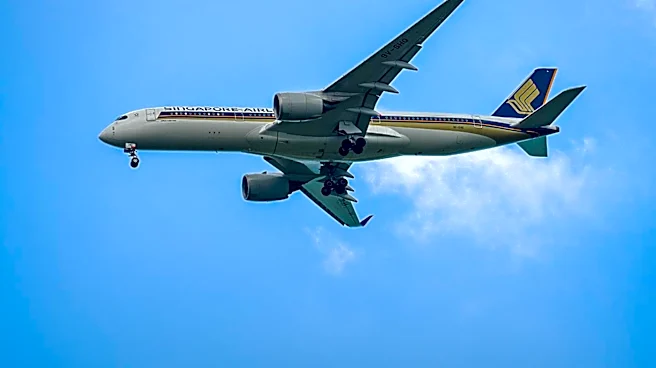
Singapore Airlines (SIA) has successfully restored its network to pre-COVID-19 operational levels, with weekly departures reaching 99.9% and seat capacity exceeding 2019 figures by 2%. This recovery, however, is uneven across its network. Jakarta remains
SIA's busiest route, both in terms of weekly seat capacity (16,443) and flight frequency (63 weekly return flights). Bangkok and London have shown significant growth, with increased frequencies and seat capacity. Conversely, routes to Hong Kong and Tokyo are still lagging, experiencing significantly lower capacity compared to 2019. The Singapore-Hong Kong route, once SIA's second-busiest, now ranks 11th in both seat capacity and flight frequencies, with a 35% reduction in seats. This decline is attributed to weaker demand, partly due to Hong Kong's extended pandemic-related travel restrictions. Similarly, Tokyo has seen a 17% decrease in seat capacity and a 28% reduction in Business Class capacity, largely due to the deployment of smaller aircraft on these routes.
Why It's Important?
The uneven recovery of Singapore Airlines' network highlights significant shifts in global travel demand and regional economic dynamics. The robust growth in routes like London and Bangkok suggests a strong rebound in leisure and business travel to these destinations, potentially indicating economic recovery and increased international engagement. The sustained high demand for Jakarta underscores its continued importance as a regional hub. Conversely, the struggles of the Hong Kong route reflect the lasting impact of stringent pandemic policies on travel and tourism, potentially affecting its status as a major international gateway. For U.S. travelers and businesses, these shifts could mean altered flight availability, pricing, and connectivity to key Asian markets. The reduction in Business Class capacity on routes like Tokyo and Hong Kong could impact corporate travel and premium passenger experiences, potentially leading to higher costs or fewer options for business-critical travel.
What's Next?
Singapore Airlines will likely continue to monitor and adjust its capacity based on evolving market demand and regional recovery trends. The airline's strategy may involve further reallocating resources to high-growth routes like London and Bangkok, while carefully evaluating the future of underperforming routes such as Hong Kong and Tokyo. The reintroduction of SIA First Class on the London Gatwick route from October 2027 indicates a strategic move to cater to premium demand in certain markets. The airline may also explore new routes or increase frequencies to emerging destinations to diversify its network and mitigate risks associated with regional downturns. Stakeholders, including travel agencies, corporate clients, and passengers, should anticipate ongoing adjustments to flight schedules, aircraft deployments, and service offerings as SIA adapts to the post-pandemic travel landscape.
Beyond the Headlines
The divergent recovery patterns across Singapore Airlines' network offer a microcosm of broader geopolitical and economic shifts. The prolonged impact on Hong Kong's travel sector, for instance, could reflect a deeper re-evaluation of its role as a global financial and travel hub, potentially benefiting other regional centers. The airline's strategic decisions regarding aircraft deployment and class offerings also reveal insights into changing passenger preferences and the premium travel market. The emphasis on routes with strong leisure and business demand suggests a focus on profitability and efficiency in a highly competitive environment. This dynamic environment underscores the need for airlines to remain agile and responsive to external factors, from public health crises to geopolitical tensions, which can rapidly reshape travel corridors and economic opportunities.