






What's Happening?
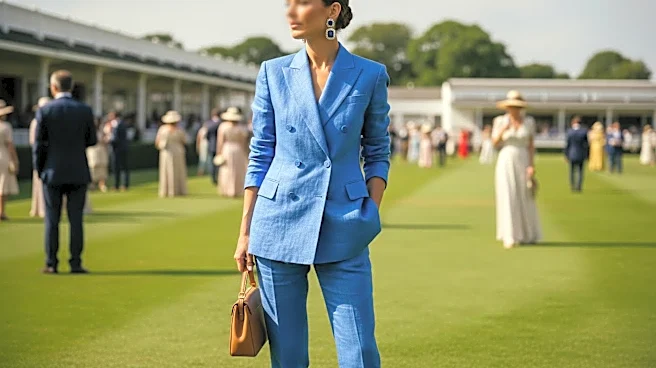
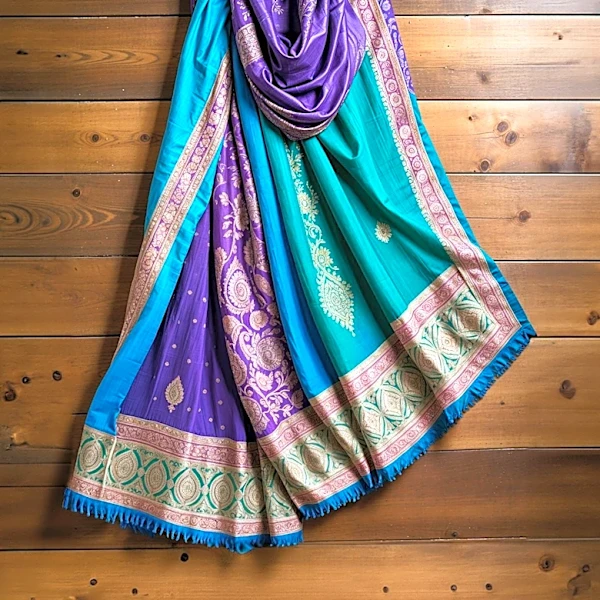
As Europe experiences soaring temperatures, fashion brands are adapting by promoting 'heatwave-ready' clothing. The extreme heat has influenced fashion events, with brands rescheduling shows and consumers seeking lightweight, breathable fabrics. Retailers
like Stripe & Stare and Dune are marketing products as essential for surviving the heat. Data from Pinterest UK shows a significant increase in searches for heatwave-appropriate outfits. Buyers are noticing a shift towards airy and breathable materials, with brands like Auralee and Our Legacy gaining popularity for their lightweight designs.
Why It's Important?
The adaptation of fashion brands to extreme heat conditions highlights the industry's responsiveness to climate change. This shift not only affects consumer purchasing behavior but also influences production and marketing strategies. As temperatures rise, the demand for functional, climate-appropriate clothing is likely to increase, prompting brands to innovate in fabric technology and design. This trend underscores the importance of sustainability and adaptability in fashion, as brands strive to meet consumer needs while addressing environmental challenges.
What's Next?
Fashion brands are expected to continue investing in materials and technologies that offer more than just surface-level cooling. As climate change persists, the industry may see a rise in strategic partnerships focused on developing advanced fabrics. Retailers and designers will likely prioritize collections that cater to extreme weather conditions, potentially leading to a new standard in fashion design. This evolution could also drive regulatory changes, encouraging sustainable practices and innovation in the fashion sector.