




What's Happening?
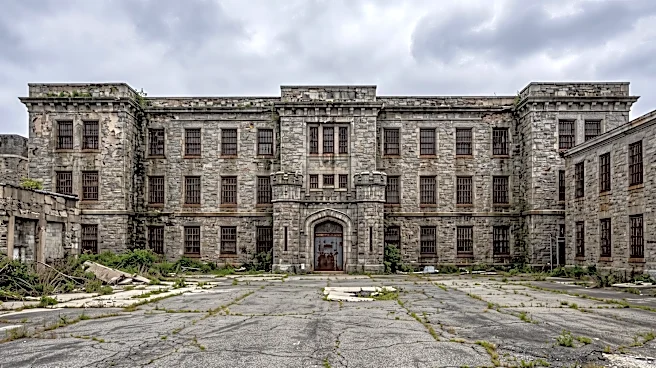
Germantown Town Hall, a Classical Revival landmark in Philadelphia that has been largely vacant since 1998, is slated for a $13 million redevelopment. Developer Anthony Fullard of West Powelton Development Company is leading the proposal to transform
the 25,000-square-foot building into a center for education, local businesses, and a community kitchen. The project aims for completion by 2028. Initial plans considered residential use but pivoted to a fully commercial approach. Proposed tenants include YouthBuild Philadelphia Charter School, though no agreement is finalized, and Chef Reeky's Cheezy Vegan restaurant. The financing strategy involves a mix of loans, tax credits, and grants, with proposed sources including $3 million from the state Redevelopment Assistance Capital Program, $5.6 million in new market and historic tax credits, and approximately $4.4 million in debt financing. The project has cleared legislative hurdles, allowing the city-owned property to be transferred for redevelopment.
Why It's Important?
This redevelopment project is significant for Germantown, aiming to revitalize a long-vacant historic landmark and inject new economic and social activity into the neighborhood. The transformation into an educational and business hub could provide crucial resources for local entrepreneurs and residents, fostering community development and job creation. The inclusion of a community kitchen specifically targets local food entrepreneurs, offering a platform for new businesses to launch and grow. The project also represents a substantial investment in urban renewal, demonstrating a commitment to preserving historical architecture while adapting it for modern community needs. The success of this project could serve as a model for other cities grappling with underutilized historic properties, highlighting the potential for public-private partnerships to drive urban revitalization.
What's Next?
The project is targeting a completion date in the third quarter of 2028, with construction potentially beginning in early 2027. Key next steps involve securing the proposed financing, which includes state grants, tax credits, and debt financing. While legislative hurdles for property transfer have been cleared, the finalization of tenant agreements, particularly with YouthBuild Philadelphia Charter School, remains an important step. The developer will need to solidify these commitments to ensure the project's long-term viability and impact. Community engagement will also likely continue as the project progresses, ensuring that the redevelopment aligns with local needs and aspirations. The successful execution of this plan could pave the way for further investment and revitalization efforts in the Germantown area.
Beyond the Headlines
The Germantown Town Hall redevelopment highlights broader challenges and opportunities in urban planning, particularly concerning the adaptive reuse of historic buildings. The pivot from residential to commercial use reflects the complex economic realities and market demands that shape such projects. It underscores the importance of flexible development strategies that can adapt to financial feasibility and community needs. Furthermore, the project's emphasis on education and local business incubation speaks to a growing trend of leveraging real estate development for social impact, aiming to create sustainable community ecosystems rather than just commercial spaces. The long vacancy of the building also points to the difficulties in maintaining and repurposing historical assets, making this project a case study in overcoming such obstacles through strategic planning and diverse funding mechanisms.