










What's Happening?
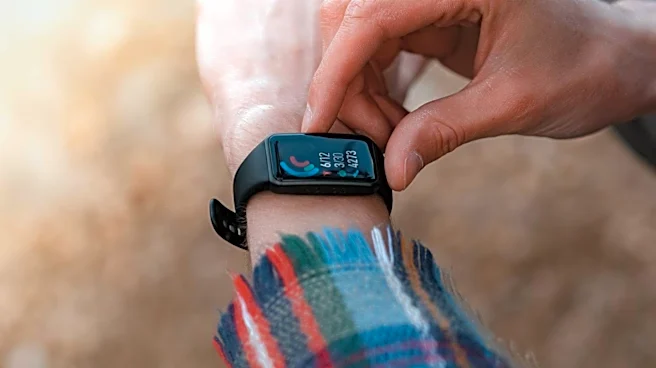
Fitness trackers have become popular tools for monitoring various health metrics, including steps, heart rate, and sleep patterns. The concept of 10,000 steps, originally a marketing term, has evolved into a broader understanding of health data. Modern
wearables provide insights into sleep stages, such as light, deep, and REM sleep, using movement and heart rate patterns. These devices emphasize the importance of long-term data consistency over single-night results. Users are advised to treat calorie estimates and readiness scores as rough guides due to varying algorithms used by different manufacturers.
Why It's Important?
The widespread use of fitness trackers reflects a growing interest in personal health management. By providing detailed insights into daily activity and sleep patterns, these devices empower users to make informed lifestyle choices. The ability to track long-term trends rather than focusing on daily fluctuations can lead to more sustainable health improvements. This trend also highlights the increasing role of technology in health and wellness, offering new opportunities for individuals to engage with their health data actively.
What's Next?
As technology advances, fitness trackers are likely to become even more sophisticated, offering more precise and personalized health insights. This could lead to greater integration with healthcare systems, where data from wearables might inform medical decisions. Additionally, as users become more accustomed to interpreting their health data, there may be a shift towards more proactive health management, with individuals taking greater responsibility for their wellness.