



What's Happening?
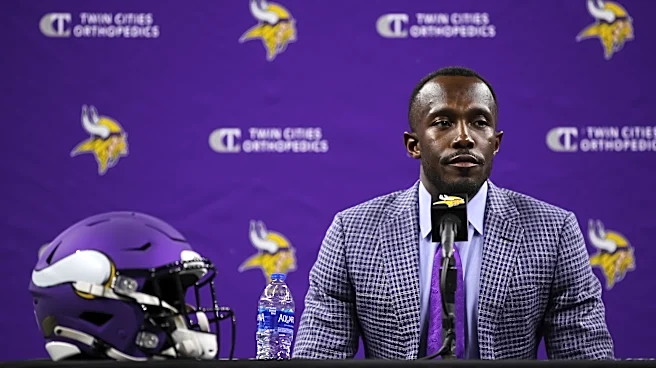
Nolan Teasley, the general manager of the Minnesota Vikings, has emerged as the most influential figure in the team's decisions leading up to the trade deadline. With the Vikings holding a 6-1 record but facing offensive struggles, particularly at quarterback
and running back, Teasley's choices will determine the team's immediate and long-term trajectory. He was hand-picked for the role and has the full confidence of owner Mark Wilf. The team's offseason, which saw Kyler Murray's disappointing performance and a draft class that hasn't made a significant impact, has put Teasley in a position where he must decide whether to make aggressive moves to push for a championship now or to play conservatively and preserve assets for future rebuilding. His past experience with the Seattle Seahawks, known for both bold and conservative trade deadline strategies, offers a potential blueprint for his approach.
Why It's Important?
Nolan Teasley's decisions at the trade deadline are paramount for the Minnesota Vikings, as they stand at a critical juncture in their season. The team's strong start has created championship aspirations, but offensive inconsistencies necessitate strategic intervention. Teasley's choices will directly impact the team's ability to contend this year and shape its roster for future seasons. An aggressive approach could bring in key players to address immediate weaknesses, potentially leading to a deep playoff run. However, such moves often come at the cost of future draft capital, which could hinder long-term team building. Conversely, a conservative strategy might preserve assets but could be seen as a missed opportunity to capitalize on the current winning window. The outcome of these decisions will define Teasley's tenure and significantly influence the Vikings' competitive standing.
What's Next?
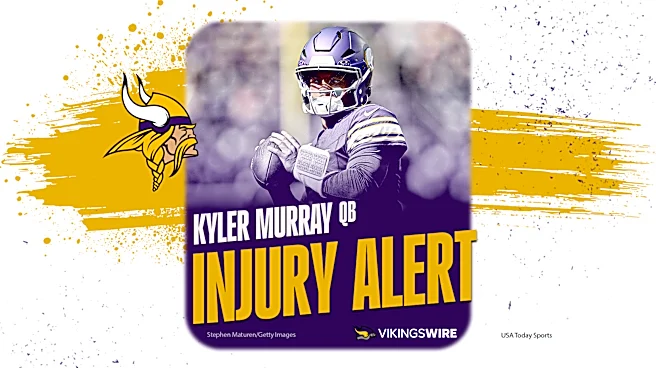
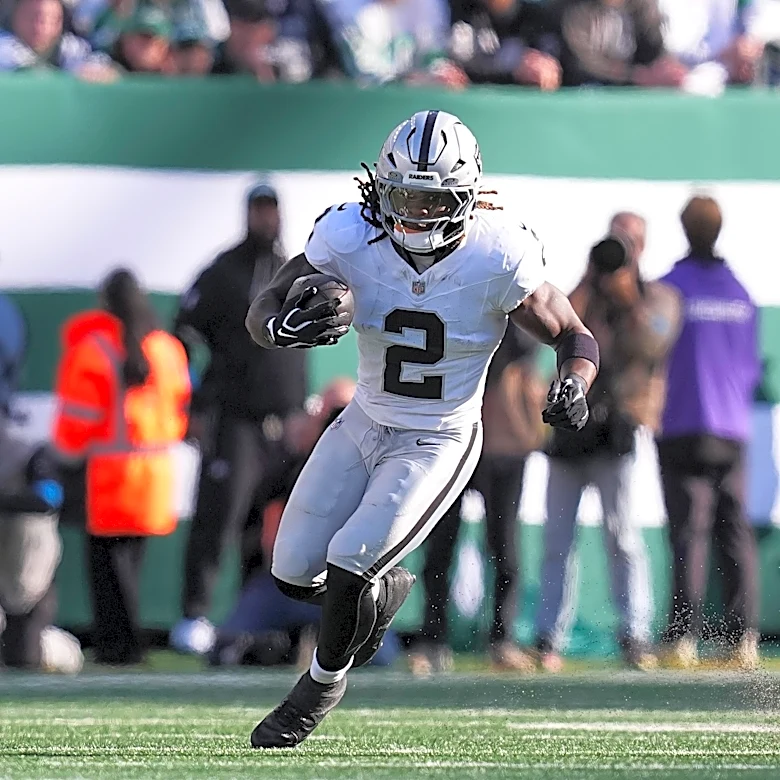
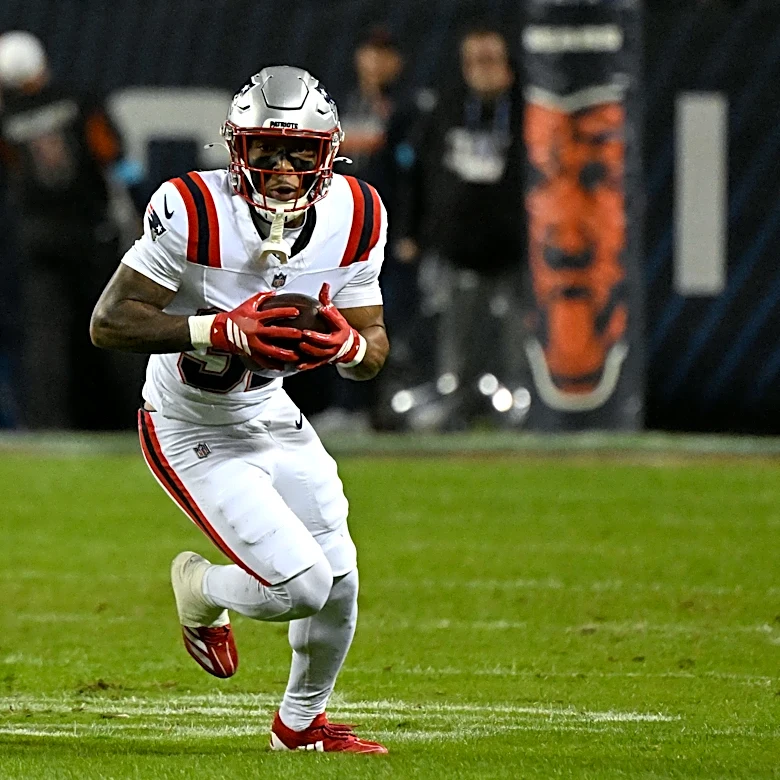
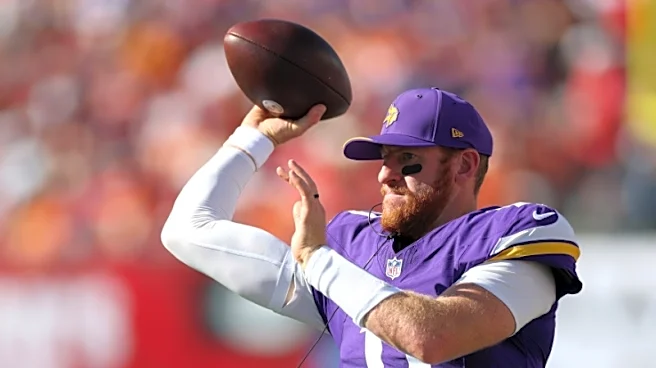
Nolan Teasley faces an imminent deadline to make his decisions, with the trade deadline approaching. He will need to assess the team's current needs, particularly at quarterback, running back, and along both offensive and defensive lines, while also considering the long-term health of the franchise. The performance of Carson Wentz, who is starting due to Kyler Murray's injury, will be a key factor in determining the urgency of a quarterback acquisition. Teasley will also need to weigh the potential impact of acquiring players like Jonathan Taylor for the running game against the cost of draft picks. His actions in the coming days will signal whether the Vikings are going 'all-in' for a championship push or adopting a more measured approach to build for sustained success.
Beyond the Headlines
Nolan Teasley's pivotal role at the trade deadline highlights the immense pressure and strategic complexity inherent in an NFL general manager's position. It's a high-stakes balancing act between immediate gratification and long-term sustainability. The 'go big or go home' mentality, often seen in teams with strong starts, carries significant risks, as evidenced by the cautionary tale of the Indianapolis Colts' trade for Sauce Gardner. Teasley's decisions will not only impact the current roster but also set the philosophical tone for the organization. His ability to navigate these complex choices, considering factors like player contracts, draft capital, and team chemistry, will be a defining characteristic of his leadership. This scenario underscores that a general manager's influence extends far beyond individual player transactions, shaping the very identity and future trajectory of an NFL franchise.