






What's Happening?
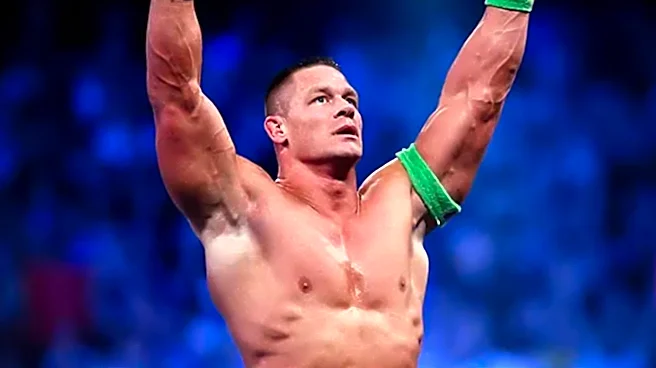
John Cena believes that WWE's transition to a PG rating in 2008, a significant shift from its previous TV-14 programming, required between 10 and 15 years to fully resonate with and transform public perception of professional wrestling. Speaking on 'What
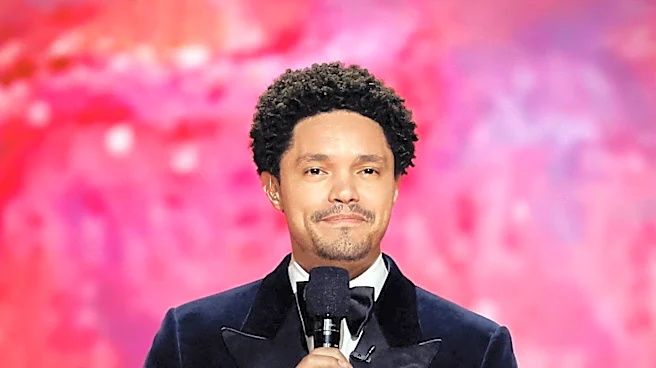
Now? with Trevor Noah,' Cena, who was a prominent figure during this rebranding period, explained that the move aimed to broaden WWE's appeal to family audiences. He noted that this strategic change, while initially met with resistance or skepticism, eventually made it 'okay' for people to openly enjoy and attend wrestling events. Cena highlighted that generations of fans who grew up with the PG era are now bringing their own families, contributing to the company's sustained connection with its audience. He also credited the rise of social media for providing wrestlers with new avenues to build their profiles and influence, further aiding the rebrand's success.
Why It's Important?
This analysis by John Cena provides valuable insight into the long-term strategic planning and cultural impact within the entertainment industry. WWE's PG rebrand was a calculated risk to expand its market, moving away from the edgier 'Attitude Era' to a more family-friendly product. Cena's observation that it took over a decade for this shift to fully 'pay off' underscores the patience and sustained effort required for major brand transformations. This has significant implications for U.S. businesses considering similar rebrands or market repositioning, demonstrating that immediate results are often unrealistic and that cultural acceptance can be a slow process. The success of WWE's PG era, as described by Cena, illustrates how adapting content for a wider demographic can lead to increased viewership, broader social acceptance, and multi-generational fan engagement, ultimately strengthening the brand's longevity and commercial viability.
What's Next?
The long-term success of WWE's PG rebrand, as articulated by Cena, suggests that the company will likely continue to prioritize family-friendly content and broad audience appeal. This strategy could influence future content development, talent recruitment, and marketing initiatives, aiming to maintain and expand its multi-generational fanbase. Other sports and entertainment organizations might look to WWE's experience as a case study for how to successfully navigate content ratings and audience demographics over extended periods. The continued growth of social media, which Cena also cited as a factor in the rebrand's success, will likely remain a key component of WWE's strategy for talent promotion and fan engagement. The 'John Cena Classic' event, scheduled for December, further indicates WWE's ongoing efforts to leverage its legacy figures to connect with its audience.
Beyond the Headlines
Cena's reflections on the PG rebrand touch upon the evolving nature of cultural consumption and the role of media in shaping societal norms. The shift from a 'carnies' perception to a socially acceptable form of entertainment reflects broader changes in how niche interests can gain mainstream acceptance. This transformation is not merely about content, but about the gradual erosion of stigma and the building of new cultural narratives. The idea that 'it became okay to be in the crowd for a wrestling match' speaks to a deeper societal acceptance, where previously marginalized forms of entertainment can achieve legitimacy. This phenomenon is relevant across various cultural sectors in the U.S., where once-fringe activities or subcultures can, with strategic rebranding and sustained effort, become widely embraced, influencing everything from fashion to music to digital content creation.